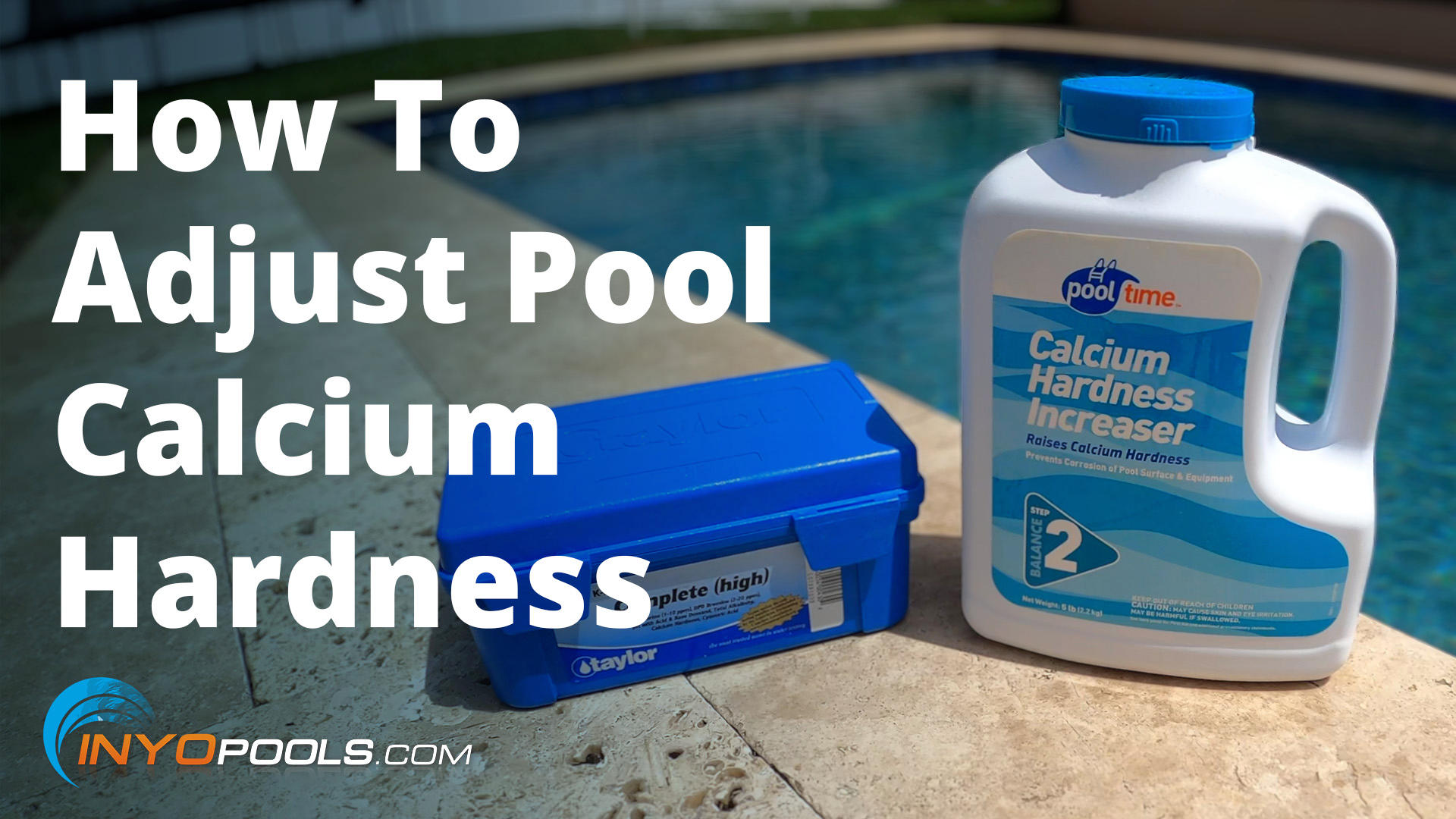
How To Reduce Calcium In A Pool

You’ve seen it. That crusty, white ring around your pool tile, or the cloudy water that just won’t sparkle. It’s calcium, and it’s the uninvited guest at your pool party. But...
You’ve seen it. That crusty, white ring around your pool tile, or the cloudy water that just won’t sparkle. It’s calcium, and it’s the uninvited guest at your pool party. But before you panic, know this: a little calcium is good—it keeps your plaster from dissolving. Too much, though, and your pool starts looking like a limestone cave.
The culprit is often hard water, straight from your garden hose. Think of it as the mineral-rich cousin of soft water, carrying calcium and magnesium like unwanted souvenirs. When water evaporates, these minerals stay behind, forming scale on surfaces and clogging your filter. It’s not just a visual nuisance; it can make your water feel harsh and your equipment grumpy.
Testing, Testing: Know Your Numbers
You wouldn’t bake a cake without checking the oven, right? Same goes for your pool. Grab a reliable test kit and measure your calcium hardness level. The sweet spot is between 200 and 400 ppm (parts per million). Above 500 ppm? You’ve got a calcium situation—and it’s time to act.
Fun fact: The average human body contains about two to three pounds of calcium, mostly in bones and teeth. Your pool, however, doesn’t need that much for structural integrity. Think of high calcium as your pool trying to build a skeleton—cool in theory, but terrible for swimming.
The Drain-and-Refill: The Bold Move
Sometimes, the most direct solution is also the most dramatic: partially drain your pool and refill with fresh, low-calcium water. This is the equivalent of hitting the reset button. You’re essentially diluting the mineral overload, giving your pool a fresh start.
But here’s the kicker: check your local water source first. If your tap water is also hard, you’re just swapping one problem for a slightly less hard one. In that case, consider using a pre-filter for your fill hose, or truck in softened water if you’re feeling extra committed. It’s a weekend project, but the payoff is clear water and zero crust.
The Chemical Approach: Nature’s Helpers
If draining feels like overkill, chemistry has your back. Products like calcium reducers (often sodium-based) bind to the excess calcium, turning it into a fine precipitate that sinks to the bottom. You then vacuum it out like you’re cleaning up after a very small, mineral-heavy snowstorm.
Pro tip: This method works best for mild to moderate calcium levels. If your water looks like a milkshake, you’re probably better off with the drain-and-refill route. Also, never mix chemicals without reading labels—pool chemistry is a science, not a guessing game. A little patience here saves you from a foamy, cloudy mess.
The Clean-Up Crew: Filters and Acid Washes
Scale doesn’t just float; it sticks. For stubborn white deposits on tiles or surfaces, use a pumice stone or a specialized scale remover. Gently scrub while the pool is wet—think of it as exfoliating for your pool’s skin. It’s oddly satisfying, like popping bubble wrap, but with a clearer outcome.
Your filter is also your ally. Run it longer than usual, and consider backwashing or cleaning the cartridges more frequently. A dirty filter lets calcium recirculate, creating a vicious cycle. Meanwhile, an acid wash (diluted muriatic acid) can strip scale from plaster, but it’s a heavy-duty job best left to pros. When in doubt, hire a pool guy—they’ve seen it all, including pools that look like the set of a sci-fi movie.
Prevention: The Zen of Pool Maintenance
The best way to reduce calcium is to stop it from building up in the first place. Use a pool stabilizer or sequestering agent (like a chelating product) that grabs calcium ions before they form scale. It’s like giving your water a tiny security guard who escorts troublemakers out.
Fun cultural reference: In ancient Rome, aqueducts carried hard water that left mineral deposits so thick they were sometimes carved into building blocks. Your pool doesn’t need to be that resilient. Keep your pH balanced (7.4 to 7.6) and your alkalinity in check. A consistent routine beats a dramatic rescue every time.
Another habit: cover your pool when not in use. Sunlight accelerates evaporation, concentrating calcium faster than a beach holiday. A cover also keeps out leaves, dirt, and the occasional curious raccoon. Less evaporation means less scaling, and more time for cannonballs.
When All Else Fails: Call a Professional
Sometimes, despite best efforts, the calcium wins. If you notice chunky white flakes floating like alien snowflakes, or if your pump sounds like it’s gargling gravel, it’s time to bring in an expert. They can perform a drain and acid wash or use a reverse osmosis system to filter out minerals without losing water. It’s not cheap, but it’s cheaper than replacing your entire pool surface.
Think of it like this: You wouldn’t try to fix a leaking roof with duct tape. Some pool problems require a specialist with a truck full of serious equipment. And that’s okay—self-care applies to your pool, too.
A Final Reflection on the Water
Reducing calcium in your pool is, in a weird way, a metaphor for daily life. We all accumulate hard, crusty things—grudges, stress, bad habits—that cloud our clarity. A little maintenance, a willingness to dilute what’s heavy, and the occasional deep clean keep the water clear and the swim enjoyable.
Your pool doesn’t need to be perfect; it just needs to be inviting. So test your water, scrub a tile, and then jump in. The moment you feel that clean, cool embrace, you’ll know it was worth the effort. After all, a pool’s real job isn’t to be a chemistry experiment—it’s to remind us that staying cool and clear is always a good idea.