How To Get Rid Of Lead In Water

So, you’ve just found out there’s lead in your tap water. First off, don’t panic—and definitely don’t start chugging from the garden hose to prove you’re tough. We’re going to...
So, you’ve just found out there’s lead in your tap water. First off, don’t panic—and definitely don’t start chugging from the garden hose to prove you’re tough. We’re going to fix this, and we’ll do it with a grin on our faces (and a clean glass of H2O).
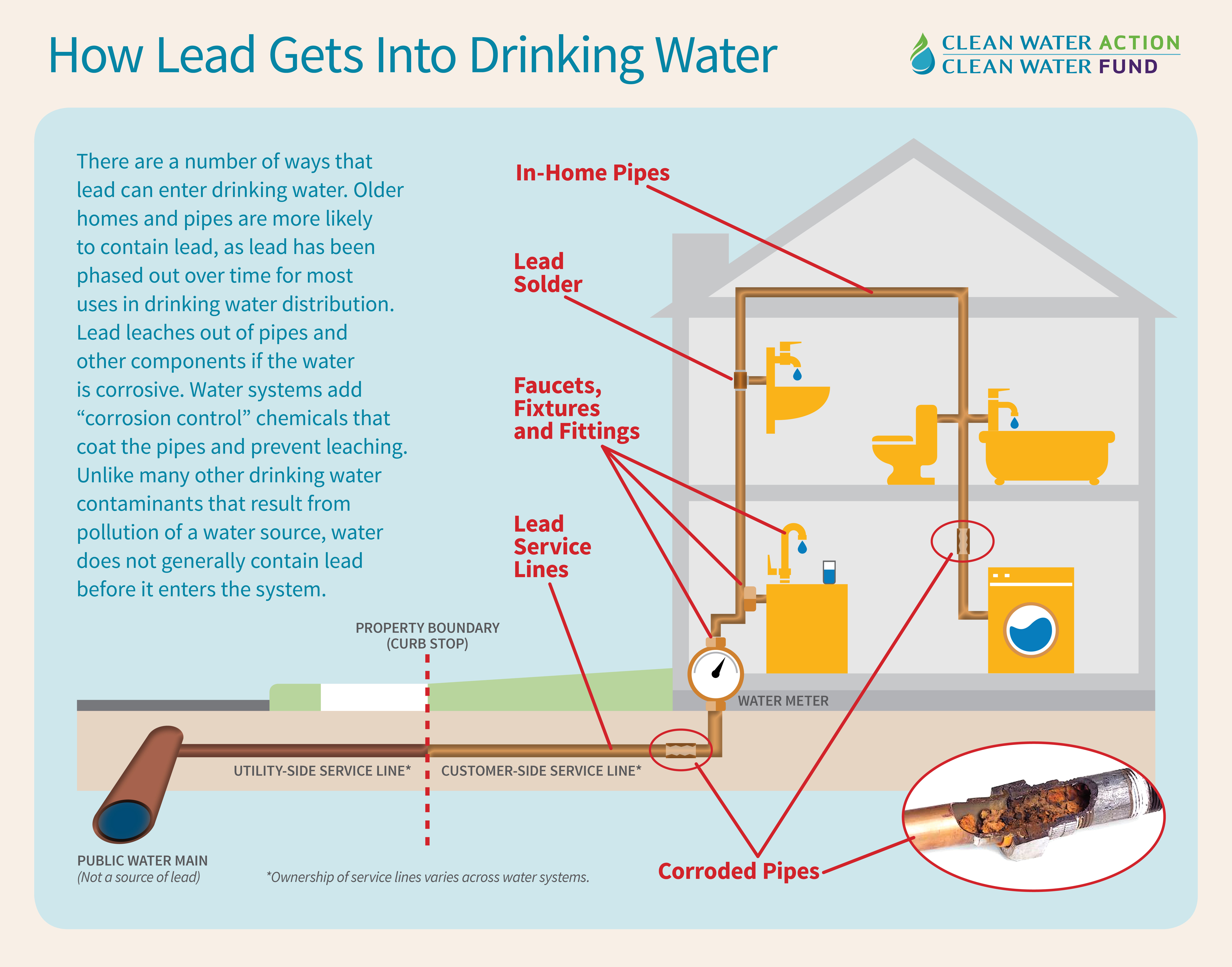
Lead is a sneaky little metal that can creep into your water from old pipes or solder. It’s not the kind of guest you want at your hydration party. The good news? Getting rid of it is totally doable—and you don’t need a chemistry degree or a superhero cape.
Step One: Flush Those Pipes Like You Mean It
If your water has been sitting in the pipes for a few hours (say, overnight), flush the system. Run the cold water for at least one to two minutes before using it for drinking or cooking. This isn’t a dance move—but feel free to wiggle while the water runs.
Must Read
Only use cold water for drinking and cooking. Hot water dissolves lead faster than a gummy bear in a sauna. So, no boiling your kettle from the hot tap, okay? Your tea will taste just fine.
And here’s a pro tip: flush each tap separately. Don’t just do the kitchen sink and call it a day—your bathroom sink has feelings, too.
Step Two: Get a Serious Water Filter
Not all water filters are created equal—some only remove bad tastes, not actual, y’know, toxins. You need a filter certified for lead removal. Look for the NSF/ANSI Standard 53 label. That little logo is like a golden ticket, but for clean water and not a chocolate factory.
There are three main types: pitcher filters (cheap and easy), faucet-mounted filters (like a tiny water fortress), and countertop or under-sink systems (the heavy hitters). Pick the one that fits your life and your budget—no judgment if you’re using a pitcher with a cartoon character on it.
Just remember: change the filter on schedule. A old, clogged filter is like a guard who fell asleep. It won’t stop lead, and it might even release it back. Set a phone reminder, or tie a string around your finger—whatever works.
Step Three: Consider a Whole-House System (The Boss Move)
If your home’s plumbing is a lead-heavy nightmare, a whole-house water filtration system might be your hero. It treats water at the main line, so every tap—shower, sink, garden hose—is safe. Your plants will be so grateful, they might start photosynthesizing harder.
 Get the Lead Out Toolkit
These systems use reverse osmosis, activated carbon, or a combo, and they’re installed by a pro. It’s an upfront cost, sure, but it’s like buying peace of mind in bulk. Plus, you get to tell your friends, “Oh, my entire house is filtered,” and sound very fancy.
For renters? Don’t sweat it. A point-of-use filter (like the pitcher or faucet kind) is your best buddy. You can take it with you when you move—just don’t use it as a hat on moving day.
Step Four: Test Your Water (Yes, Really)
You can buy a lead test kit online or at a hardware store for about $15. It’s like a pregnancy test—but for your tap water, and the stakes are slightly less life-changing. Follow the instructions carefully, and don’t mix up the sample with your morning coffee.
For the most accurate results, send a sample to a certified lab. It costs more ($40–$100), but it’s worth it. You’ll get a report that’s basically a report card for your water. Aim for an A+—meaning lead levels below the EPA action level of 15 parts per billion.
Pro tip: test your water after you flush and filter, too. That way, you’ll know your system works, and you can high-five yourself in the mirror.
Step Five: Corrosion Control (Fancy Science Talk)
If you own your home and have lead pipes, corrosion control might be your next move. This means adding a chemical (like orthophosphate) to the water that coats the pipes and stops lead from leaching. It’s not a DIY project—call a plumber or your water utility.
 How to Remove Lead from Water? How to Eliminate Lead from Water? How to
Some cities actually do this for you at the treatment plant. Check with your local water department. They might already be on it, and you get the credit for being smart enough to ask. Pat yourself on the back.
Also, avoid boiling lead water. Boiling won’t remove lead—it actually concentrates it because water evaporates but the lead stays. That’s like trying to dry out a puddle and ending up with a dirtier mud pie. Not helpful.
Step Six: Mock Your Old Pipes (For Therapy)
Okay, this isn’t a real step, but it’s important. Laugh at your plumbing. Give your pipes a little sass. “Oh, you think you’re tough, Mr. Lead? My filter says ‘hold my beer.’” It won’t fix anything, but it’s good for your soul—and stress is bad for your immune system.
You can also name your water filter. I call mine “Sir Filters-a-Lot.” Every time I pour a glass of water, I say, “Thank you, Sir.” It’s silly, and it makes me smile. Do what works.
Uplifting Conclusion: You’ve Got This!
Getting lead out of your water isn’t just a chore—it’s a victory dance over a silent problem. You’ve flushed, filtered, tested, and maybe even named your equipment. That’s more than most people do, and you should feel like a hydration superhero.
Every glass of clean water you drink from now on is a little cheers to your own smarts. You. Did. That. And you did it with a smile and probably a dad joke or two. The lead is gone, your health is protected, and your water is now so pure, it might just start composing poetry.
So go ahead—pour yourself a tall, cold glass. Drink it slowly. You deserve it. And if anyone asks how you did it, just say, “I flushed out the bad stuff and filtered in the good.” See? Simple. Cheers, friend! 🥤✨
