How To Remove E Coli From Water

So, you’ve discovered that your supposedly refreshing glass of water is hosting a tiny, invisible rave—and the headliner is E. coli. Not cool, bacteria. Not cool. Before you p...
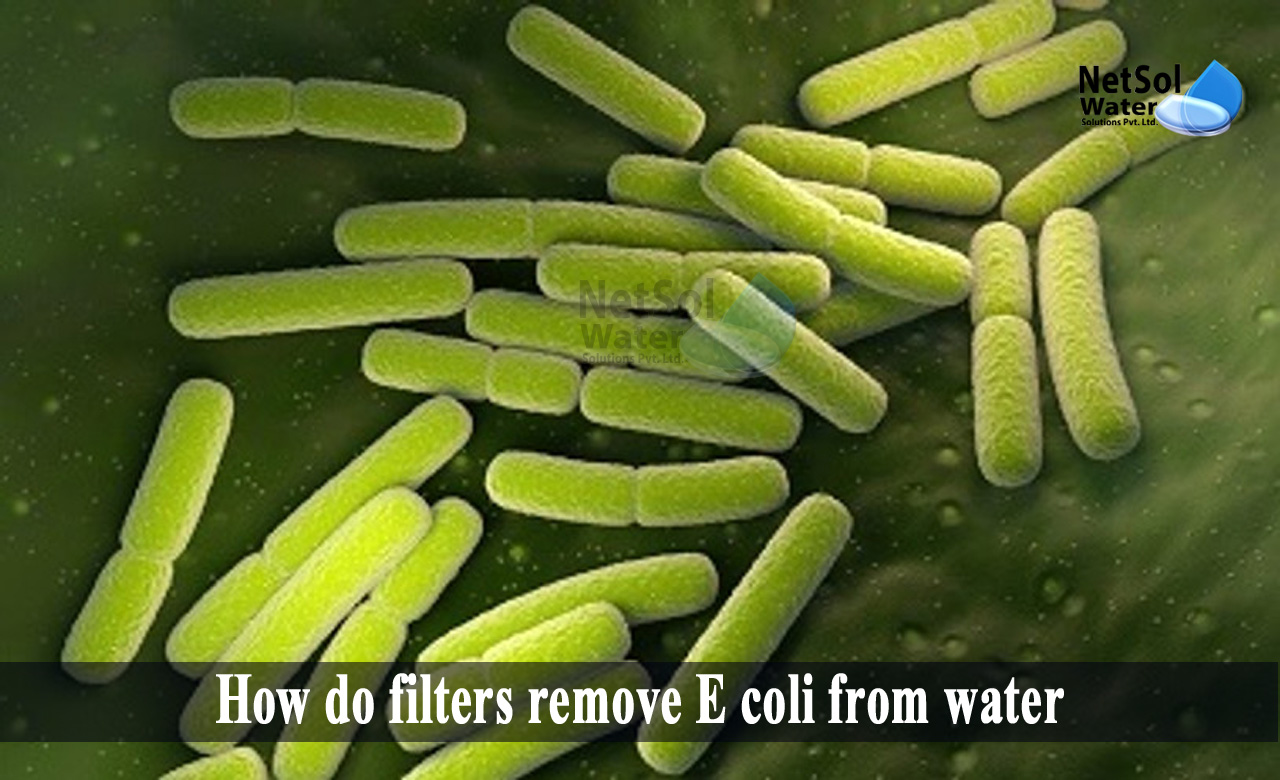
So, you’ve discovered that your supposedly refreshing glass of water is hosting a tiny, invisible rave—and the headliner is E. coli. Not cool, bacteria. Not cool. Before you panic and start drinking only artisanal kombucha, let’s get one thing straight: removing these little party crashers is easier than you think, and it doesn’t require a chemistry degree.
First, Let’s Meet the Enemy
E. coli isn’t some supervillain from a B-movie; it’s actually a normal resident of many guts, including yours. The problem is that the nasty strains (like O157:H7) showed up to the party with bad intentions, and they can turn a nice day into a very chaotic bathroom trip. Fun fact: a single gram of contaminated cow poop can contain 10 million E. coli cells—so yes, that’s why washing your hands matters more than your Instagram feed.
But don’t worry—your water isn’t plotting against you. You just need to evict those squatters. And the eviction notice is simple: heat, chemicals, or fancy filters. Let’s break it down like a bad dance move.
Must Read
Boiling: The Caveman’s Favorite Hack
If you can boil water for pasta, you can kill E. coli. Bring your water to a rolling boil for at least one minute (three if you’re above 6,500 feet, because altitude is a snob). This is the “nuke it from orbit” method—heat denatures the bacteria’s proteins, turning them into harmless mush. No fancy gear, no jargon, just a pot and a stove.
You’ll know it’s working when the water looks like it’s having a meltdown. Pro tip: let it cool before you drink it, or you’ll just trade E. coli for a burnt tongue. And trust me, your tongue has enough problems.
Chemical Warriors: Bleach and Iodine
If you’re camping and forgot your pot (rookie move), you can use household bleach—but not the fancy scented kind with “fresh rain” or “ocean breeze.” You want plain, unscented sodium hypochlorite with 5–9% concentration. Add 8 drops per gallon, stir, and let it sit for 30 minutes. It’ll smell slightly like a swimming pool, but that’s the smell of victory.
 E. Coli in Your Water? 5 Easy Ways to Remove it (US Guide
Iodine tablets are another option, though your water will taste like a first-aid kit. Don’t use iodine if you’re pregnant or have thyroid issues—seriously, read the bottle. But for a weekend warrior, these little tablets are like tiny ninjas that assassinate E. coli. Just don’t expect Michelin-star flavor.
Surprising Fact: A German study found that a single drop of bleach can kill E. coli in a liter of muddy water in under a minute. That’s faster than most people finish a TikTok video.
Filters: Fancy Pants Technology
If boiling and bleach sound too primitive, welcome to the 21st century. Water filters with a pore size of 0.2 microns or smaller physically block E. coli like a bouncer at a club. Look for filters labeled “NSF 53” or “NSF 58”—that means they’ve been tested and didn’t let the bad guys through. Brands like LifeStraw or Sawyer are like the bodyguards of hydration.
But here’s the twist: activated carbon filters (the kind in your Brita pitcher) are useless against E. coli. They’re great for bad taste, but they’re like hiring a clown to do security—entertaining, but ineffective. Don’t be that person who drinks E. coli tea because they trusted a charcoal puck.
The Viral Hack: UV Light (Yes, Like a Fake Tan)
Ultraviolet (UV) light is the James Bond of water purification. UV-C light scrambles the DNA of E. coli, making it impossible to reproduce. Without reproduction, the bacteria just gives up and dies—like a houseplant you forgot to water. You can buy a portable UV pen for under $100, and it works in seconds.
 How to Eliminate E coli with Water Filters – Bluonics
One catch: the water must be clear. Murky water blocks UV light, so you’d need to pre-filter it through a cloth or coffee filter. That extra step is annoying, but so is shigellosis. Choose your struggle.
The “Do Not Try” Hall of Fame
Let me save you some time: freezing water does not kill E. coli. It just makes the bacteria sleepy and extra determined. Also, please don’t try to “smell it out.” E. coli doesn’t have a distinct odor in safe levels. And if you think spicy peppers or hot sauce will burn it—no. You’re just making spicy E. coli water, which is a new kind of nightmare.
Another Surprising Fact: E. coli can survive in a frozen ice cube for over a year. So if you see a glacier, don’t lick it. Just don’t.
Final Verdict: Boil, Bleach, or Filter
Here’s the cheat code for your brain: boiling is foolproof, chemicals are lightweight, and filters are for the chronically impatient. Whichever you choose, you’ll be sipping clean water while your E. coli foes go to the big toilet in the sky. Just remember—water safety isn’t a joke, but it is hilarious once you realize you can beat a microbe with a pot, a pill, or a flashlight.
Now go forth and hydrate. And maybe wash your hands first. You know, for the metaphor.
