How To Bridge Over A Sewer Pipe

So, you’ve got a sewer pipe slicing through your property, and you need to build a bridge over it. Perhaps your dream patio is floating above a river of, well, *yesterday’s bu...
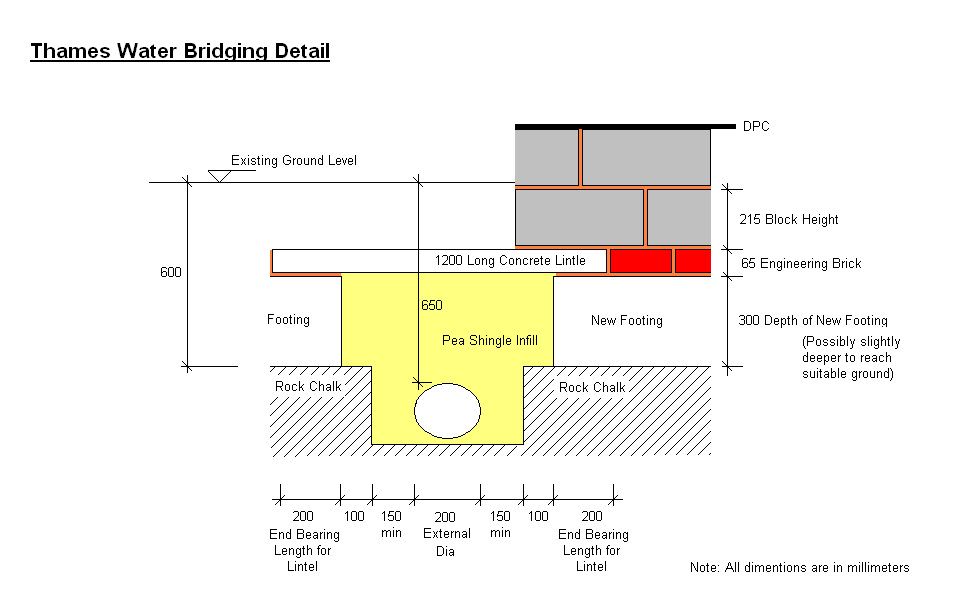
So, you’ve got a sewer pipe slicing through your property, and you need to build a bridge over it. Perhaps your dream patio is floating above a river of, well, yesterday’s business. Don’t panic. This isn’t rocket surgery; it’s just dirt, concrete, and a healthy respect for gravity.
First, let’s get one thing straight: you are not building a bridge over the Grand Canyon. You are building a small, sturdy platform so you don’t sink into a stinky abyss. The good news? If you mess up, the worst that happens is you get a muddy shoe and a hilarious story.
Step One: Find the Pipe (And Respect It)
Before you do anything, you must know exactly where the pipe lives. Call your local utility locator service—this is the only time you get to dial a number and say, “Help me find my poop tube.” They’ll mark it with spray paint and flags, usually in bright, “don’t dig here” colors.
Must Read
Here’s a surprising fact: sewer pipes are surprisingly fragile. A concrete slab dropped directly on one can crack it, turning your bridge project into a plumbing disaster that smells like regret. Treat that pipe like a sleeping dragon—you can walk near it, but never stomp on it.
Step Two: Measure Twice, Dig Once (But Not Where You Think)
You aren’t digging up the pipe—you’re digging footers away from it. Imagine your bridge is a table, and the pipe is a vase in the middle. You put the table legs off to the sides, not on the vase itself. Dig two holes, each at least two feet away from the pipe edges, going down below the frost line (usually two to three feet deep).
Why below frost line? Because Mother Nature loves to heave soil around like a toddler with a tantrum. If your footers freeze and shift, your bridge becomes a waterslide for raccoons. And nobody wants that.
Step Three: Build the Bridge Base
Pour concrete into your holes, but don’t just dump it in like you’re baking a lumpy cake. Use a tube form—a cardboard cylinder—to keep the concrete column straight. Place a metal post anchor in the wet concrete, level it, and wait 24 hours. Yes, 24 hours. That concrete needs its beauty sleep.
 How To Bridge Over A Sewer Pipe (step-by-step Guide) | TAFT Independent
Fun fact: Ancient Romans used concrete without reinforcement, and some of their bridges still stand. Yours will probably hold up a garden gnome, but aim higher. Gnocchi. Anyway, patience pays off—rushing this step is like putting a bandage on a broken leg.
The Bridge Deck: Wood vs. Composite
Now you need something to walk on. Treated lumber is cheap, but it warps and rots like a forgotten banana. Composite decking is pricier but laughs at rain and termites. Pick your poison, but always use galvanized screws—regular screws rust faster than a politician’s promises.
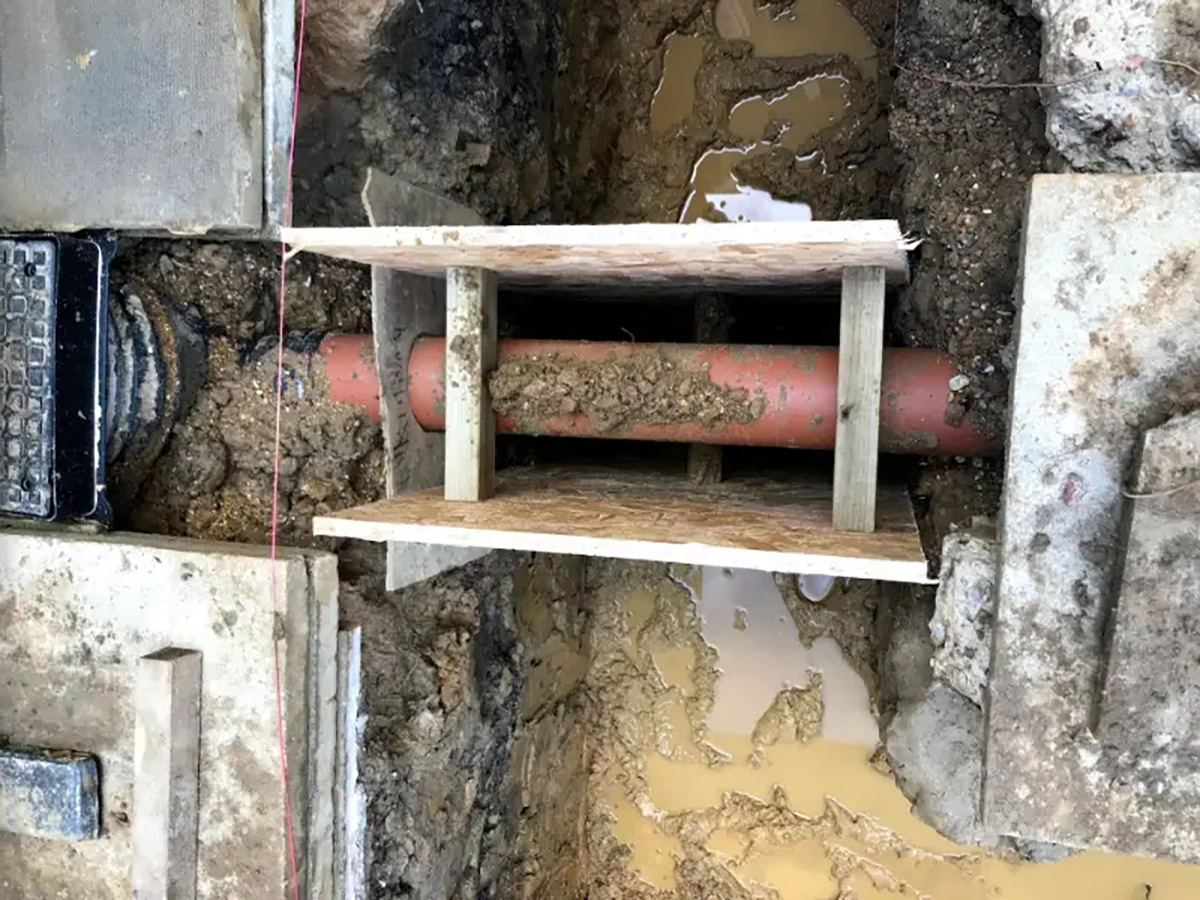
Cut two support beams to span between your concrete posts. They should sit on top of the metal anchors, not touching the pipe below. The pipe should have a full inch of air gap under your bridge. That gap is your insurance policy: no crushing, no rubbing, no midnight phone calls to a plumber.
Step Four: The Art of the “No-Sag Span”
Your bridge deck must not sag. If it bows, it’ll trap water, snow, and possibly a lost frisbee. Here’s the secret: use joists spaced no more than 16 inches apart. That means if your bridge is four feet wide, you need three joists (two edges, one middle). Nail them into the beams with some serious anger.
 Site search
Exaggeration time: If you skip the middle joist, your deck will droop like a sad puppy’s ear. A year later, you’ll step on a soft spot and sink to your thigh, shouting, “This is fine!” while a worm watches you in judgment. Don’t be that person.
The Final Layer (and the Drama)
Screw on your deck boards with a gap between them—about a pencil width. Water needs an escape hatch, or it becomes a mosquito breeding pool. Mosquitoes are the paparazzi of the insect world: annoying, everywhere, and impossible to reason with. Keep them out.
Now, you’re done. Step back and admire your work. You have successfully built a bridge over a sewer pipe. You are now a civil engineer of the backyard, a lord of the leavings, a sorcerer of sanitary solutions. Go pour yourself a drink—just not one that came from that pipe.
A Final Warning (Because You Deserve Honesty)
If your sewer pipe ever clogs, never blame the bridge. It’s not the bridge’s fault you flushed a toy dinosaur. Also, keep heavy vehicles off your handiwork—a three-ton tractor will turn your bridge into matchsticks. That tractor will also make you cry.
But for foot traffic? For a flower pot and a casual stroll? Your bridge will last decades. And if it doesn’t, well, you’ll have a great story to tell while the plumber digs up your yard. “I once built a bridge over a sewer pipe,” you’ll say, sighing as the smell drifts up. And everyone will laugh, because they’ve all made questionable decisions too. Welcome to the club.
