How To Calculate Rateable Value

Let’s be honest—rateable value sounds about as thrilling as watching paint dry. But stick with me, because this little number actually decides how much you pay for things like...
Let’s be honest—rateable value sounds about as thrilling as watching paint dry. But stick with me, because this little number actually decides how much you pay for things like your business rates or even your council tax. It’s the secret sauce behind that bill you grumble about every month.
Think of it like this: imagine you and your neighbour both own cafes. Yours is a tiny corner spot with no seating, while theirs is a bustling two-floor hangout. The rateable value is the government’s way of saying, “Hey, your neighbour’s place is worth more rent, so they’ll pay a fairer share of the tax.” It’s not about how much money you make—it’s about the property’s potential earning power.
So, What Exactly Is Rateable Value?
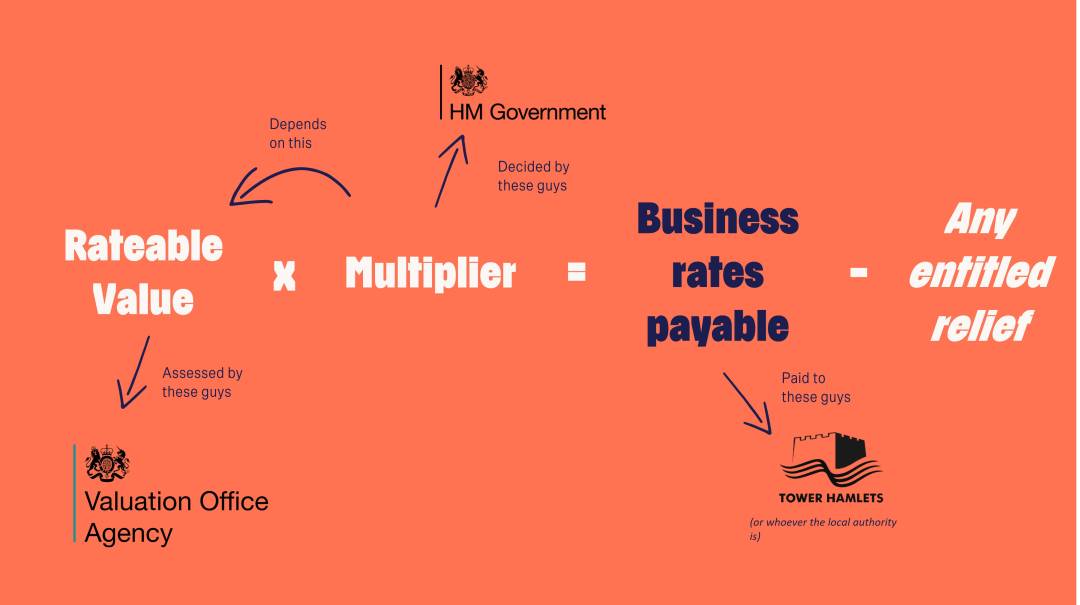
In plain English, it’s the estimated annual rent of a property if it were let out on the open market. It’s set by the government’s valuation office, not your landlord. Think of it as a snapshot of what your shop, office, or pub could fetch in rent on a standard day.
Must Read
Don’t panic—you don’t actually pay this amount. It’s just the base number that multiplies with a tax rate to give your final bill. Imagine someone guessing the price of your house for a game of Monopoly—that’s your rateable value.
Why Should You Care? (The Fun Part)
Because it directly affects your wallet. If you run a small bakery, a high rateable value means higher bills—and maybe fewer croissants for you. But if it’s too low, you might be missing out on relief schemes that cut your costs.
Here’s a story: my mate Dave runs a bookshop. He thought his rateable value was set in stone, like a grumpy landlord. Then he checked online, saw it was based on outdated street photos, and appealed. He saved £2,000 a year—enough to buy a new espresso machine and a comfy chair for customers. Know your number, know your power.
How to Calculate It (Without a Calculator That Cries)
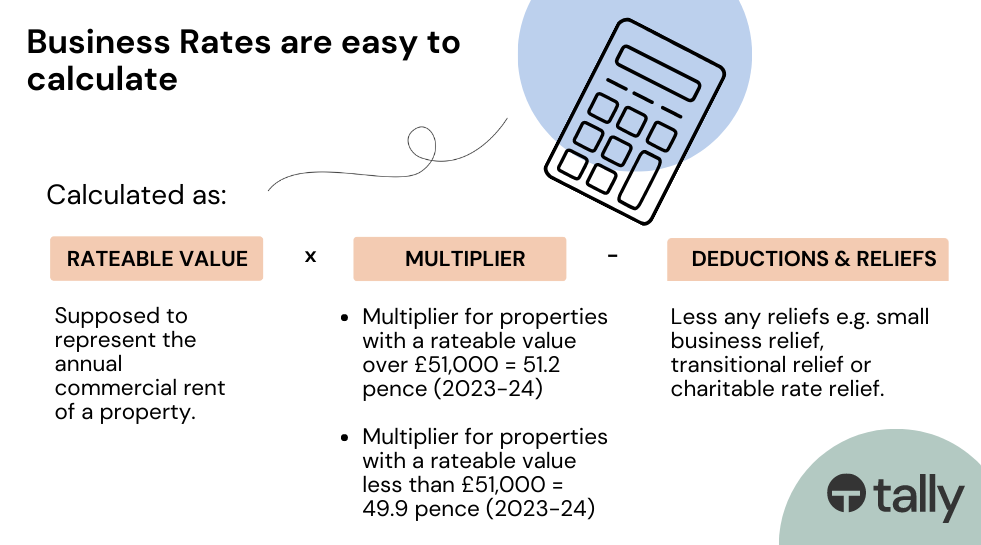
First, find your rateable value. It’s on your bill or at the gov.uk website—just pop in your postcode. For example, if your café has a rateable value of £15,000, you’re halfway there.
 What Are Business Rates? | Blog | Stashbee
Next, you need the multiplier—a yearly number set by the government. Think of it as the “tax meter.” For 2023 in England, the standard multiplier for small businesses is about 49.9p per pound of rateable value. Yes, it sounds like a math riddle, but it’s simple: multiply £15,000 by 0.499.
So, £15,000 x 0.499 = £7,485. That’s your annual business rates bill before any relief. See? No calculus degree needed—just a basic phone calculator and a cup of tea.
But Wait—There’s a Twist (Like a Good Soap Opera)
Not everyone pays the full amount. Small businesses, charities, and rural shops can get discounts—sometimes up to 100% off. That rateable value figure is like the price tag on a car; you might negotiate it down with a clever trade-in.
For example, if Dave’s bookshop has a rateable value of £12,000 and he qualifies for Small Business Rate Relief, his bill could drop to zero. Yes, absolutely nothing. It’s like finding a £20 note in your winter coat—unexpected and brilliant.
Common Mistakes to Avoid (Learn From My Blunder)
I once assumed my home office’s rateable value was irrelevant. Turns out, if you work from home and claim expenses, it matters for tax calculations. I ended up paying HMRC a little extra because I didn’t check. Don’t be Past-Me.
 Water Meter Calculator | Could You Save with a Water Meter?
Another trap: thinking you can’t appeal. If your property has changed—like a busted roof or a flooded basement—you can challenge the rateable value. It’s like asking for a refund on a scratched DVD. The worst they can say is no.
When Should You Check Your Rateable Value?
Once a year, or anytime you receive a revaluation notice. Revaluations happen every few years, but don’t wait for a letter. Set a reminder on your phone: “Check the magical number that controls my rent tax.”
Also, if you move to a new property, check it before signing the lease. A tiny shop with a high rateable value could turn your dream into a nightmare budget-wise. Forewarned is forearmed—and richer.
The Big Takeaway: It’s Just a Number, But a Useful One
Rateable value isn’t a punishment—it’s a tool. It makes sure everyone chips in fairly for local services like rubbish collection and streetlights. Without it, your neighbour with the giant cafe would pay the same as your tiny kiosk, which is just silly.
So, next time you see that number on a bill, don’t roll your eyes. Give it a nod, do a quick calculation, and see if you can lower it. Armed with this knowledge, you’re no longer just a payer—you’re in control. Go forth, check your rateable value, and maybe buy yourself a celebratory coffee. You’ve earned it.
