How To Remove Silica From Water

You know that funny white film on your favorite glass coffee pot or the crusty buildup around your faucet? That’s silica, a sneaky little mineral that’s basically nature’s gla...
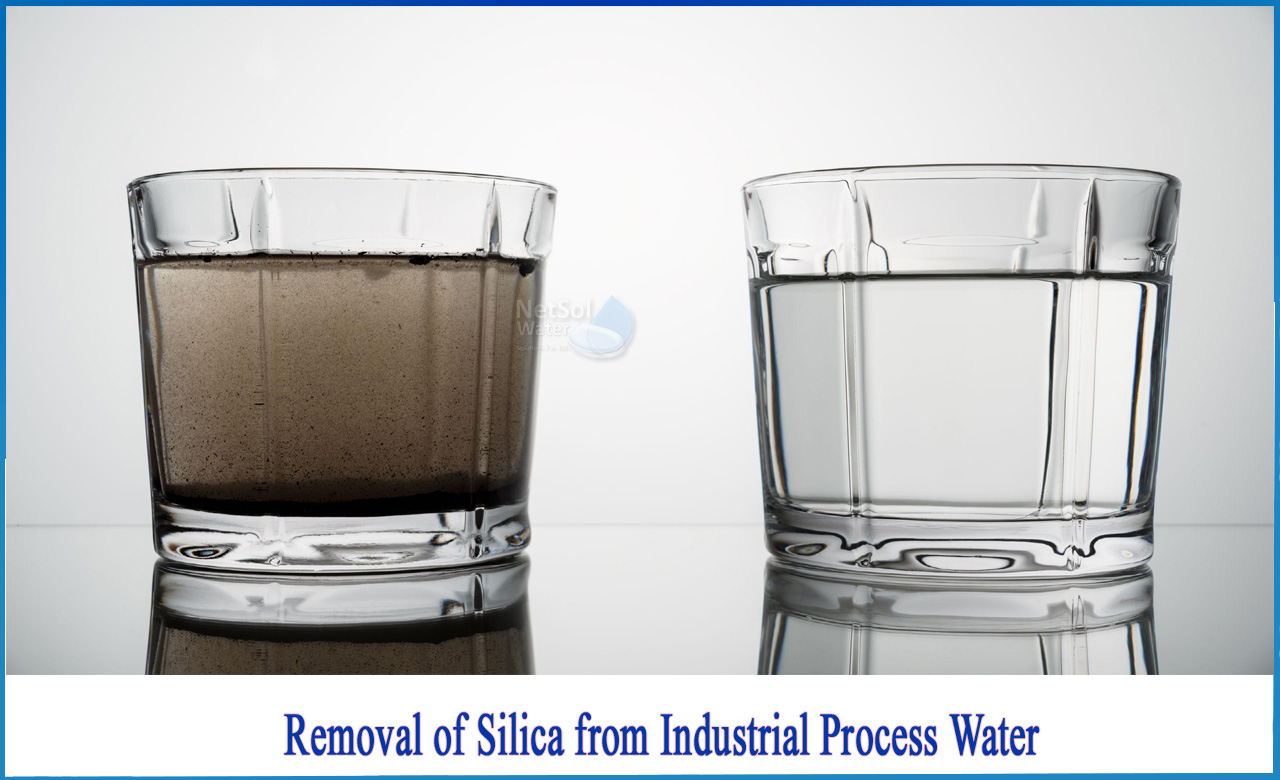
You know that funny white film on your favorite glass coffee pot or the crusty buildup around your faucet? That’s silica, a sneaky little mineral that’s basically nature’s glass dust. It’s not dangerous like a villain in a movie, but it’s a real nuisance that makes your appliances work harder and your water taste a bit flat.
Think of silica as the polite guest who overstays their welcome. It’s in almost every natural water supply, and while it won’t make you sick, it loves to leave stubborn stains on dishes and make your shower doors look like a frosted window. If you’ve ever run your hand over a "clean" glass and felt a gritty film, you’ve met silica.
So why should you care? Because that invisible layer of silica is silently stealing your water heater’s efficiency and shortening the life of your dishwasher. Imagine paying for a sports car but only driving it in first gear—that’s what silica does to your home’s water system.
Must Read
The "Spot-Free" Dream
My neighbor, Linda, spent years wiping down her dishes with a vinegar rag, convinced she had the hardest water on the block. Turns out, it wasn’t hardness (calcium and magnesium); it was silica. Once she switched to a silica-specific filter, her glasses came out of the dishwasher looking like they were from a fancy hotel.
You don’t have to be a chemistry whiz to fix this. Silica is a tough cookie—it doesn’t dissolve easily like salt. That means your standard water softener (the ones that use salt) is probably useless against it. You need a different kind of superhero for this job.
Method 1: The Reverse Osmosis Boss
Think of reverse osmosis (RO) as a bouncer at a very exclusive nightclub. It pushes your water through a super-fine membrane that kicks out everything—including silica—down to the tiniest particles. It’s the most effective way, and the water comes out so pure it almost tastes like nothing. That’s a good thing here.
But like that fancy nightclub, it has a cover charge. An RO system costs a bit upfront and takes up space under your sink. Plus, it creates a little wastewater, which is like the bouncer spilling a few drinks to keep the club clean. For most homes, this is the gold standard.
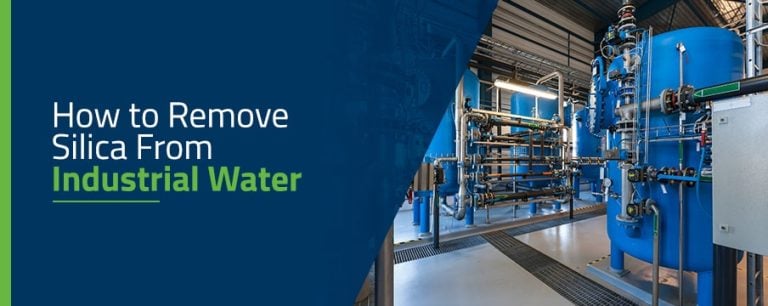 Removing Silica from Industrial Water | Chardon Labs
Method 2: The Anion Exchange Trick
If RO is a bouncer, anion exchange is a magician with a special trap. This method uses resin beads that swap other minerals for the silica, trapping it inside a filter like a sticky spider web. It’s great if you have low to moderate silica levels, and it doesn’t waste as much water as RO.
The catch? You have to replace the filter cartridges regularly, and it’s not as effective on super-high silica levels. It’s like using a net versus a solid wall—good for catching fish, not so good for stopping floodwaters.
Method 3: The Distillation Oldie
Remember making a steam tent for a cold? Distillation is that, but for water. You boil the water, catch the steam, and let it condense back to liquid—leaving the silica behind as a dry, chalky dust. It’s 100% effective and feels very "Little House on the Prairie."
But it’s slow and uses electricity. You’ll get a gallon of pure water over a few hours. Perfect for a glass of tea or a humidifier, but not for running a whole house. Unless you have the patience of a saint, use this for drinking water only.
The "How Bad Is It?" Test
Before you spend a dime, do a fun little lab test at home. Fill a clear glass with tap water and let it sit overnight. In the morning, look for a shimmer on the surface. If it looks like a thin oil slick, that’s silica. If the glass has a rainbow hue when tilted, it’s silica.
 How to Remove Silica in Water (and Why it's Important for your Cleans
Also, check your kettle. If the white flakes inside are hard and don’t dissolve in vinegar (try it!), you’ve got silica. Regular hard water scale fizzes away in vinegar like baking soda; silica just sits there being stubborn. That’s your clue.
What About Cost and Hassle?
Don’t panic—you don’t need to filter your whole house. Most silica problems are solved by treating just the water you drink or use for coffee and ice. A small countertop RO unit costs about as much as a good pair of sneakers and lasts for years.
For the whole house? That’s a bigger investment, like buying a new refrigerator. But if your dishes look like they’re wearing a thin film of glue, or your shower doors are permanently fogged, the satisfaction of crystal-clear water is worth every penny.
A Final, Friendly Tip
Don’t try to "cure" silica with vinegar or lemon juice like you do for hard water. It’s like using a squirt gun to fight a campfire—you’ll just make a mess. You need a filter designed for it. Check the manufacturer’s specs on any system you buy; look for the words "silica removal" or "TDS reduction."
The best part? Once you remove the silica, your coffee tastes brighter, your ice cubes are perfectly clear, and your bathroom fixtures shine like new. Plus, you’ll feel like a water wizard every time you pour a glass. Go ahead—give your water the glow-up it deserves.
