Why Is My Bathtub Water Yellow

You step into the shower, expecting a refreshing start to your day, but instead, the water looks like it just got back from a three-day bender. It's a pale, unsettling yellow,...
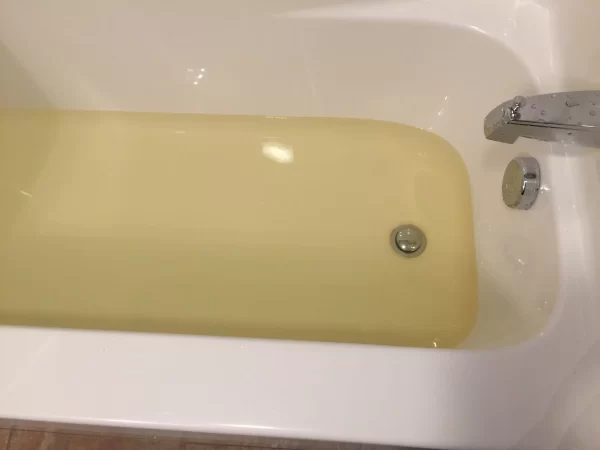
You step into the shower, expecting a refreshing start to your day, but instead, the water looks like it just got back from a three-day bender. It's a pale, unsettling yellow, like weak tea or a tourist's first attempt at a tan. You stand there, one foot hovering over the drain, wondering if you've accidentally stumbled into a Victorian-era plumbing nightmare.
Take a deep breath. I promise you aren't living in a haunted house, and your pipes aren't plotting against you. This is a surprisingly common household hiccup, and it usually has a very boring, non-scary explanation. Let's pour a glass of, uh, not that water, and talk about what's going on.
The Usual Suspect: Iron in the Water
The most likely culprit is iron. Think of your water supply as a friendly old dog; sometimes, it tracks a little bit of dirt into the house. When the iron in your water hits the air and gets exposed to oxygen, it oxidizes. Basically, it's rusting right in your bathtub, turning your clear water into a golden hour filter you never asked for.
Must Read
This happens more in private wells, but it can also affect homes on a municipal water system with old pipes. If your water looks clear from the tap but turns yellow after sitting in the tub for a minute, that's a dead giveaway for dissolved iron. It's like a magic trick, except the prize is a stained shower curtain.
Don't worry, a little iron isn't going to turn you into a superhero or a garden sprinkler. It’s mostly just annoying and makes your white socks look like they’ve been on a muddy adventure.
Sediment and the "City Water Dance"
Another reason your tub is looking like a cheap glass of chardonnay is sediment. This is when tiny bits of sand, silt, or mineral grit get stirred up in the water mains. It's like the city is doing a construction project, and your pipes got the memo late. The water often clears up if you let it run for a few minutes, which is your kitchen sink’s way of saying, “Just give me a sec, okay?”
I once had a water heater that died so dramatically it turned the entire bathroom into a sepia-toned movie scene. The sediment had built up inside the tank like a coffee grounds deposit, and when the heater kicked the bucket, it all came out in one final, glorious flush. It felt less like a bath and more like a march through a muddy field in the 1800s.
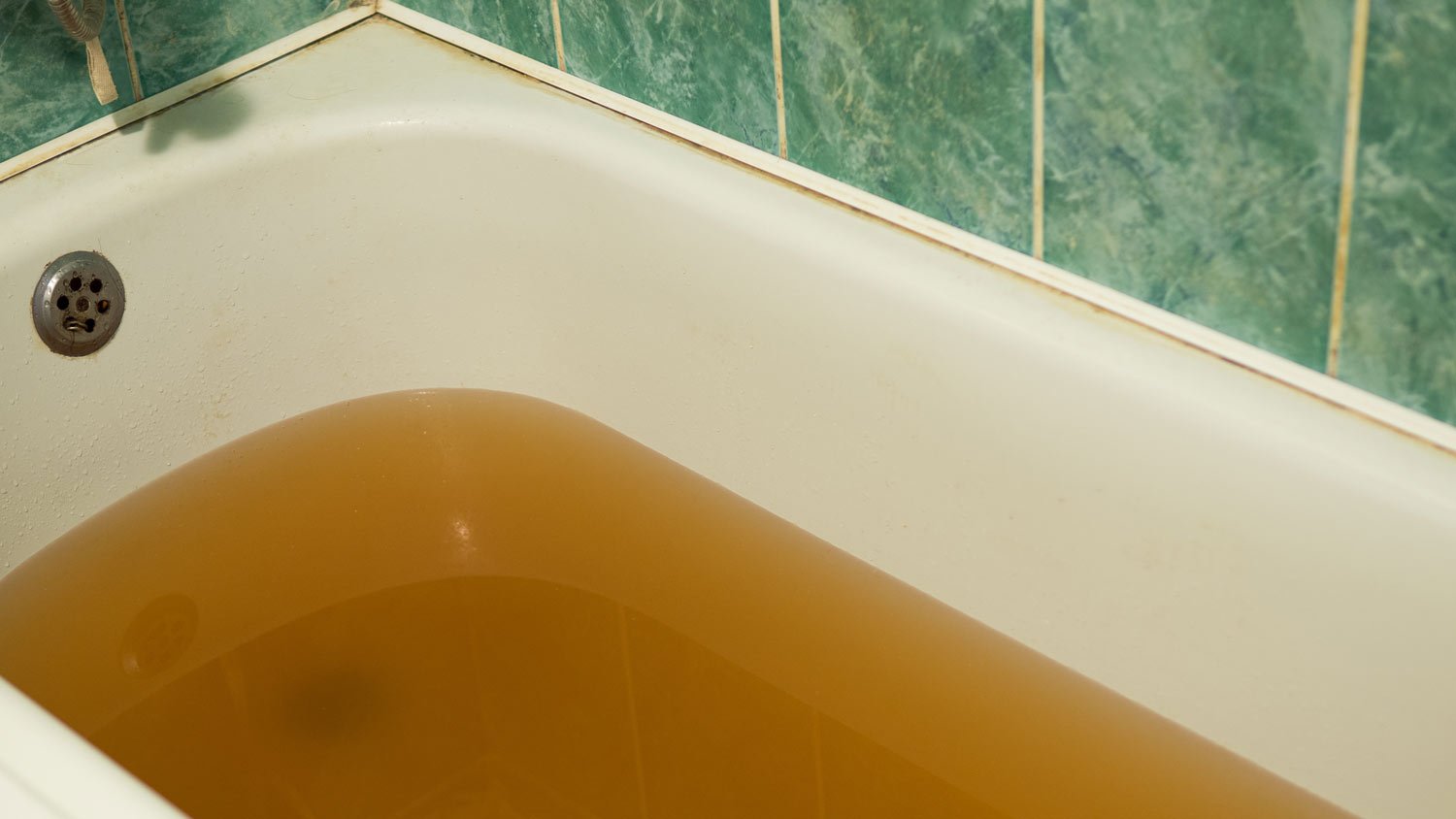 Why Is My Bath Water Yellow? | Angi
If it happens after a storm or when the water company does maintenance, that’s sediment. You’re basically getting a concentrated taste of the river your town drinks from. Charming, really.
The Pipe Connection
Let’s talk about your home’s own pipes. If you live in an older house with galvanized steel pipes, they rust from the inside out over time. That yellow water might be a friendly warning that your pipes are getting a little long in the tooth. It’s like seeing a gray hair on your head—it’s not an emergency, but it’s a sign you’re not getting any younger.
Copper pipes can also do this, but usually they turn water blue-green, which is a whole different kind of confusing color palette. If only your bathtub water is yellow, and the rest of the house is fine, you might have a problem with a specific fixture. Check the aerator on the faucet—sometimes gunk gets trapped there and just refuses to leave, like a bad houseguest.
Pro tip: if the yellow water only happens when you turn on the hot water, blame your water heater. That’s a classic sign of a dying anode rod or general tank sediment. Your water heater is basically a big metal can; sometimes it sweats rusty tears.
Is It Safe to Bathe In?
Here’s the honest truth: in 99% of cases, yes, it’s safe. The water has been treated, and a little iron or rust is not going to hurt you—though it might stain your towels that weird orangey-pink you didn’t plan for. It’s like eating a slightly bruised apple; it’s fine, but you’ll want to wash the weird part off first.
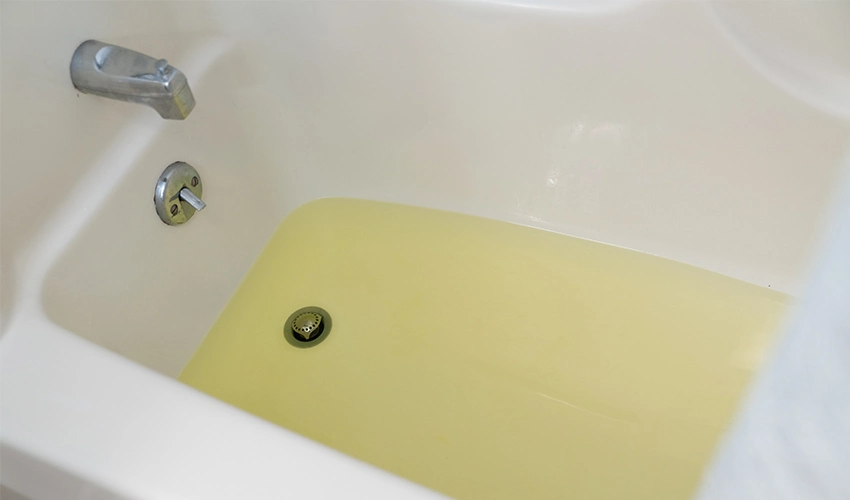 Why Is My Bathwater Yellow? | Mr. Rooter
But if the water smells like rotten eggs, looks like muddy creek water, or tastes like a metal spoon, stop. That could be bacteria or excess manganese, and you should call a plumber or your water company. Do not take a sip of the "mystery creek" flavor.
Honestly, a little yellow water is a great conversation starter when you have guests over. You can claim you’re running an experimental hot springs spa. Just make sure you actually fix it before they start asking for a refund on their stay.
What Can You Do?
First, just let the water run for a minute. Sometimes, it’s a temporary flush from a pipe disturbance. If it clears up, you’re fine. If it doesn’t, try running the cold water only to see if the color changes. That tells you if the heater is the villain.
For a permanent fix, a water softener or a specific iron filter system can work wonders. It’s like giving your house a nice, clean pair of glasses. You can also flush your water heater annually—it’s a chore, but so is vacuuming, and at least this one has a satisfying blast of rusty water at the end.
And if all else fails, just embrace the aesthetic. Bathe in the gentle glow of "Goldfinger’s Forgotten Bathwater." Tell your friends you’re detoxing with mineral-rich spring water. They’ll either be impressed or horrified, and both reactions are pretty fun.
