Why Do You Need Water Softener

So, you’re staring at your glass of water, and it looks clear. That’s fine, right? But have you ever noticed a white crusty ring around your faucet? That, my friend, is the gh...
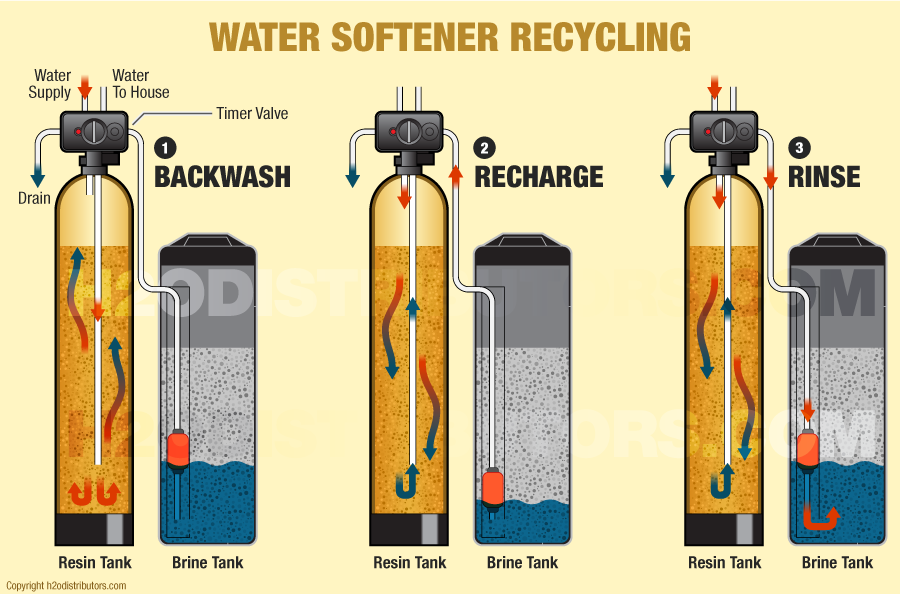
So, you’re staring at your glass of water, and it looks clear. That’s fine, right? But have you ever noticed a white crusty ring around your faucet? That, my friend, is the ghost of hard water.
The Invisible Villain in Your Pipes
Hard water is basically regular water that picked up too much calcium and magnesium on its journey underground. It’s not dangerous to drink, but it’s a total nuisance for your home. Think of it as that friend who leaves a mess everywhere they go—harmless, but annoying.
These minerals don’t dissolve well, so they leave deposits behind. That’s why your shiny glassware comes out of the dishwasher looking cloudy and sad. Who wants to drink from a foggy glass?
Must Read
Why Your Skin and Hair Are Mad at You
Here’s a cool, creepy fact: hard water stops soap from lathering properly. So you’re using more shampoo and body wash, but your skin still feels sticky or dry. It’s like trying to wash your hands with cold butter—nothing works right.
The minerals also leave a thin film on your skin. This film can clog pores and make your hair look dull, frizzy, or flat. Have you ever stepped out of the shower and felt squeaky, yet still itchy? That’s hard water sabotage.
A water softener removes those minerals, swapping them for harmless sodium or potassium. Suddenly, your soap actually works, your skin feels silky, and your hair bounces back. It’s like getting a spa upgrade for free.
The Appliance Massacre (or How You Save Money)
Hard water is a slow killer for your appliances. That scale—the white crust—builds up inside your water heater, coffee maker, and washing machine. It’s like clogging an artery with chalk. Over time, your machines have to work harder and use more energy.
Imagine your water heater trying to heat water through a layer of stone. That’s basically what happens. It burns through electricity, and you pay the bill. A water softener prevents this buildup, extending the life of your appliances by years. It’s cheaper than buying a new washing machine, trust me.
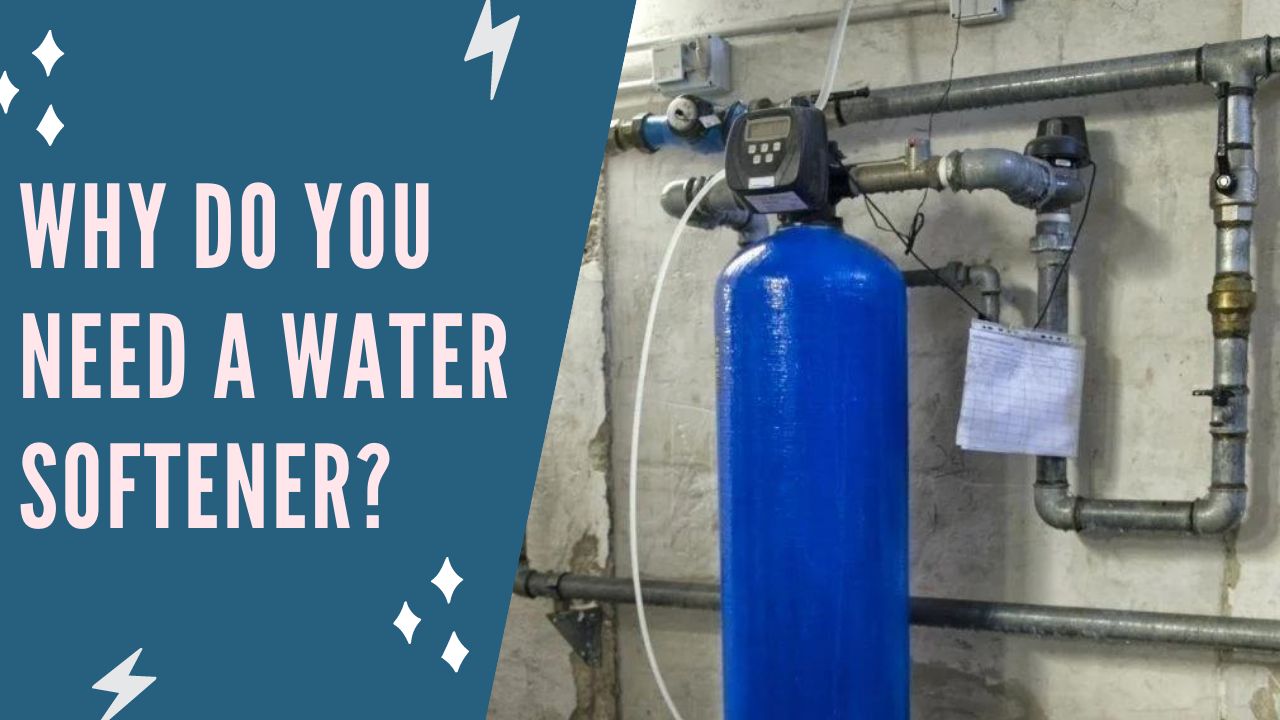 Why Do You Need a Water Softener System? (Signs When You Need
That Mysterious Spot on Your Dishes
You know those white spots that appear after the dishwasher finishes? That’s not a cleaning fail—it’s the water drying and leaving mineral dust behind. It’s like your dishes are wearing a permanent, dusty makeup.
With soft water, you get streak-free glasses and spotless plates. No need to rewash them by hand. You’ll save time, effort, and your sanity. Plus, your stainless steel sink will actually shine instead of looking like a fossil.
The Soap Scam You Didn’t Know About
Here’s the wild part: hard water neutralizes soap. So you pour in a ton of laundry detergent, but half of it is wasted fighting minerals instead of cleaning your clothes. Your clothes end up feeling stiff and looking gray after a few washes.
A water softener lets the detergent actually do its job. You can use half the soap, and your clothes come out softer, brighter, and smelling cleaner. It’s like your laundry suddenly got a promotion. Who doesn’t want that?
Cool Science: The “Magnetic” Trick
Soft water feels different in your hands—slicker, almost silky. That’s because the minerals are gone, so water can rinse away soap residue completely. It’s the same reason your skin feels “squeaky clean” after a rain shower, but in a good way.
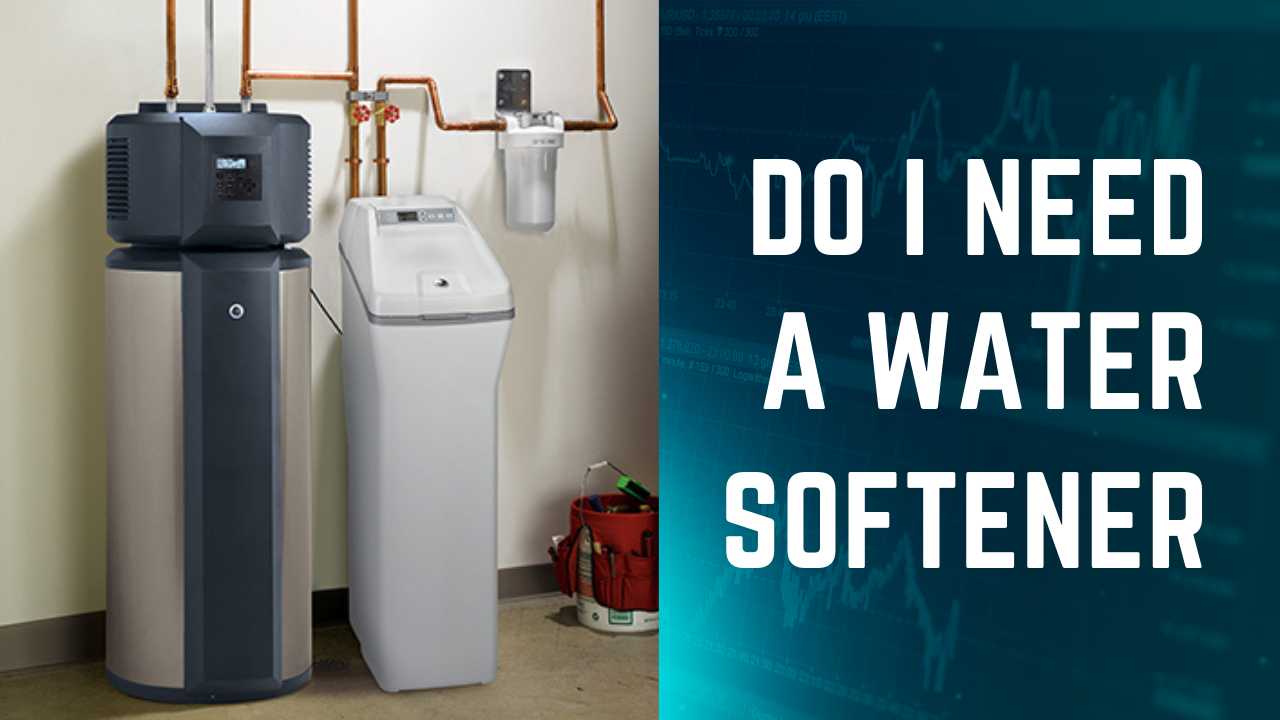 Do I need a Water Softener and Why? (All about You Need) - CharlieTrotters
You might also notice you use less shampoo and conditioner. Your hair won’t get that weird, waxy buildup. It just… works. And your bathroom counters? No more scrubbing white crust off the faucet every week. That’s time you get back.
But Wait, Is Soft Water Safe to Drink?
Yes, totally. Softened water is still water—it just has a tiny bit of added sodium from the softening process. If you’re on a strict low-sodium diet, you can install a separate tap for drinking water. But for most people, it’s fine.
You might even prefer the taste. Soft water often feels smoother and less “minerally.” That metallic tang in your tap water? That’s gone. Your coffee and tea will taste cleaner, too. It’s a flavor upgrade.
The Bottom Line (It’s Chill)
You don’t need a water softener to survive. But if you want softer skin, longer-lasting appliances, and dishes that actually sparkle, it’s a total game-changer. It’s like giving your home a gentle, invisible makeover.
So next time you see that crusty faucet, ask yourself: is it worth fighting? Or would you rather let science make life a little easier? Your call. But I know which one I’d pick.
