Why Is Chlorine Added To Water

You sip your morning tap water, ice cubes clinking in the glass. It’s crisp, clean, and utterly unremarkable—which is precisely the point. That invisible guardian in your glas...
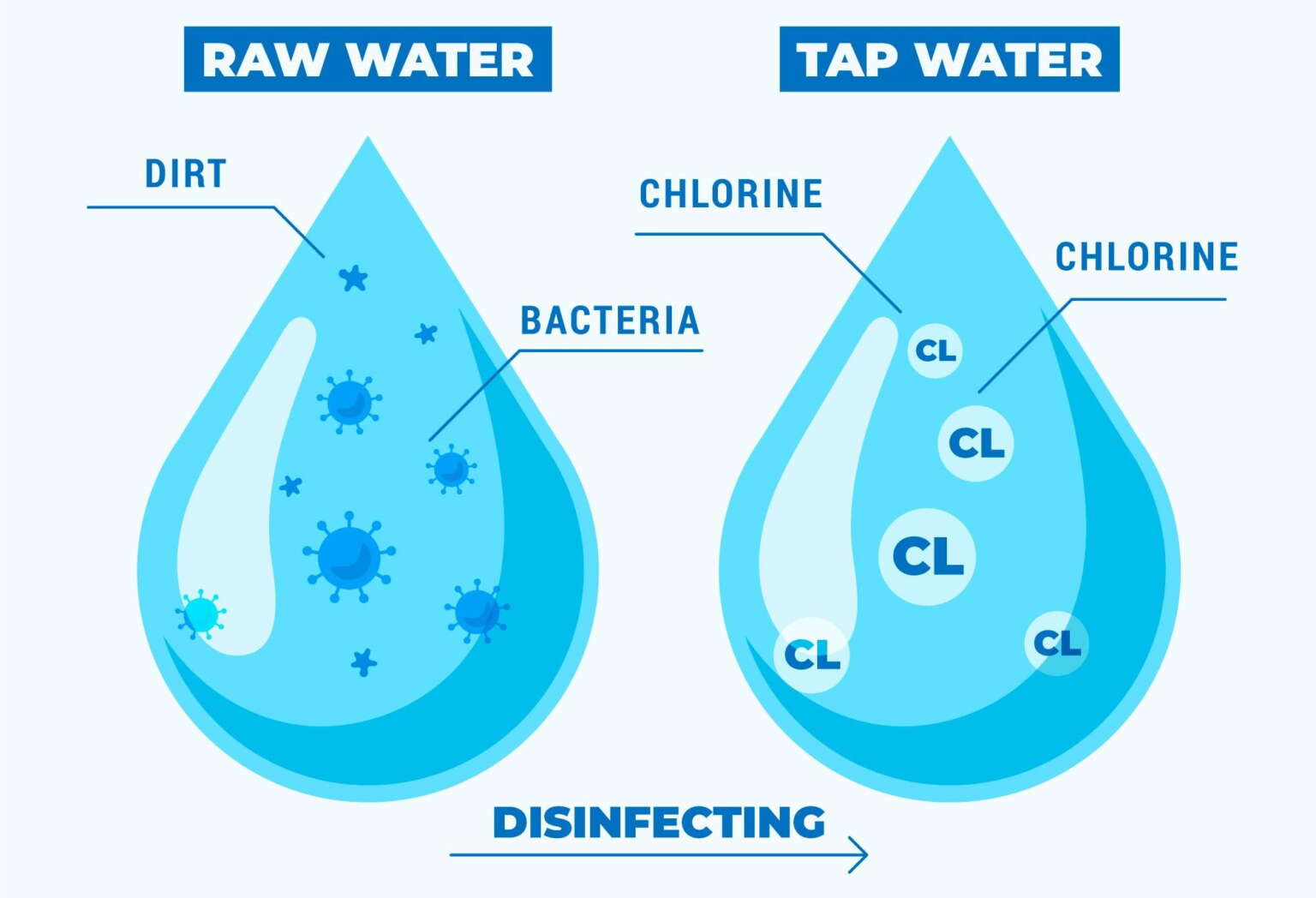
You sip your morning tap water, ice cubes clinking in the glass. It’s crisp, clean, and utterly unremarkable—which is precisely the point. That invisible guardian in your glass? Chlorine. Added to public water supplies since the early 1900s, it’s the quiet hero of modern hygiene.
But why? The short answer: to kill the bad stuff. Chlorine is a powerful disinfectant that obliterates bacteria, viruses, and parasites like E. coli, cholera, and giardia. Before chlorination, typhoid and dysentery were routine dinner guests.
Think of it as a bouncer at an exclusive club. Chlorine doesn’t let harmful microbes past the velvet rope into your pipes. This simple chemical transformed public health—some historians call it the greatest public health breakthrough of the 20th century.
Must Read
Here’s a fun fact: the first continuous chlorination of a U.S. water supply happened in Jersey City, New Jersey, in 1908. That’s the same year the first Model T rolled off the line. Clean water and cars—what a pairing.
Today, over 98% of U.S. water systems that disinfect use chlorine or chloramine (a chlorine-ammonia combo). It’s cheap, stable, and leaves a residual that keeps working as water travels miles to your tap.
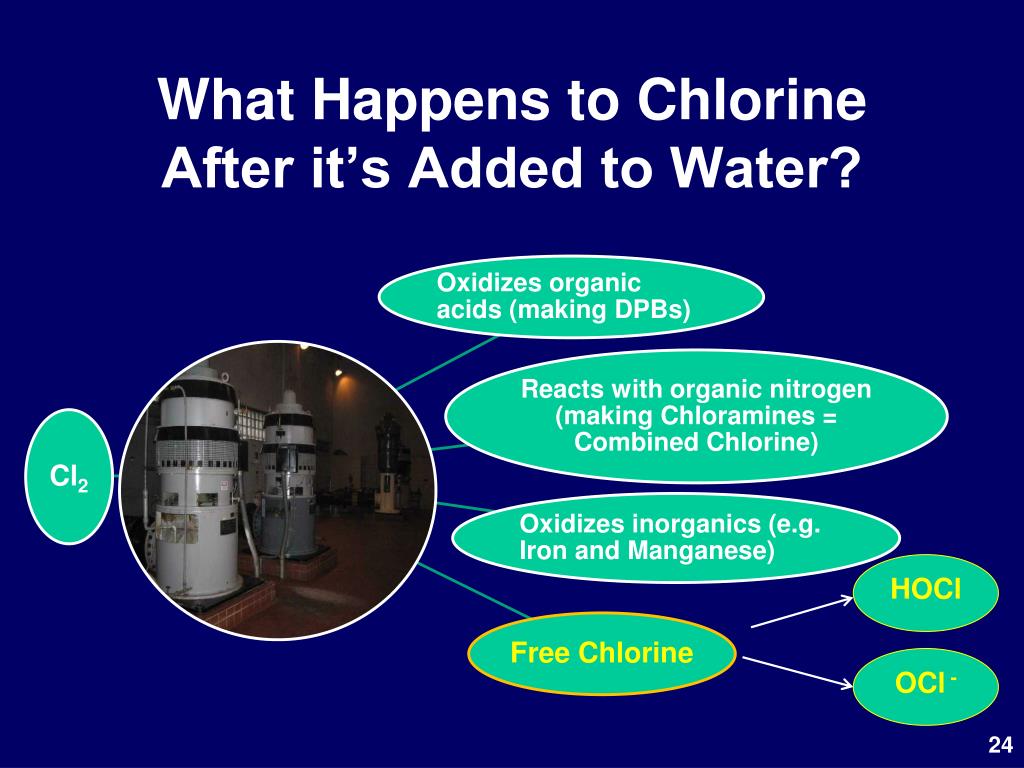
You might notice a slight “pool” taste or smell. That’s actually chloramines—byproducts formed when chlorine reacts with organic matter like leaves or algae. Cities often flush systems to reduce it, but your nose is just being a good detective.
Some folks worry about long-term health risks. The science is reassuring: the levels used in drinking water are meticulously regulated by the EPA to be safe for a lifetime. Cancer risks from disinfection byproducts are considered extremely low—far lower than the risk of drinking untreated water.
Practical Tips for the Discerning Sipper
If you’re sensitive to chlorine’s taste or scent, try a simple trick: fill a pitcher and let it sit in the fridge for an hour. Most chlorine will evaporate naturally—like letting a fine wine breathe.
 PPT - Small System Chlorination PowerPoint Presentation, free download
Boiling water for 15 minutes also removes chlorine, but that’s more energy than a morning coffee run. A carbon filter pitcher (like Brita or Pur) handles the job beautifully, reducing chlorine by up to 99%.
For the eco-conscious: skip bottled water. Your tap water is more rigorously tested than most bottled brands. Plus, you avoid plastic waste. Just filter if you prefer neutral flavor.
Here’s a cultural wink: that distinct “pool water” smell you associate with summer? That’s not chlorine itself, but chloramines formed when chlorine reacts with sweat and urine. So next time someone complains about “too much chlorine” at the pool, gently correct them: “Actually, it’s too much pee.”
Fun Facts to Float Around
Chlorine was first used to treat water during a typhoid outbreak in London in the 1850s. John Snow (the original disease detective) mapped cases to a contaminated pump. Chlorine arrived later as the clean-up crew.
In some countries, like much of rural India, chlorine tablets are a lifesaver for the 50 million households without piped water. One tiny tablet can make a bucket of murky water safe to drink in 30 minutes.
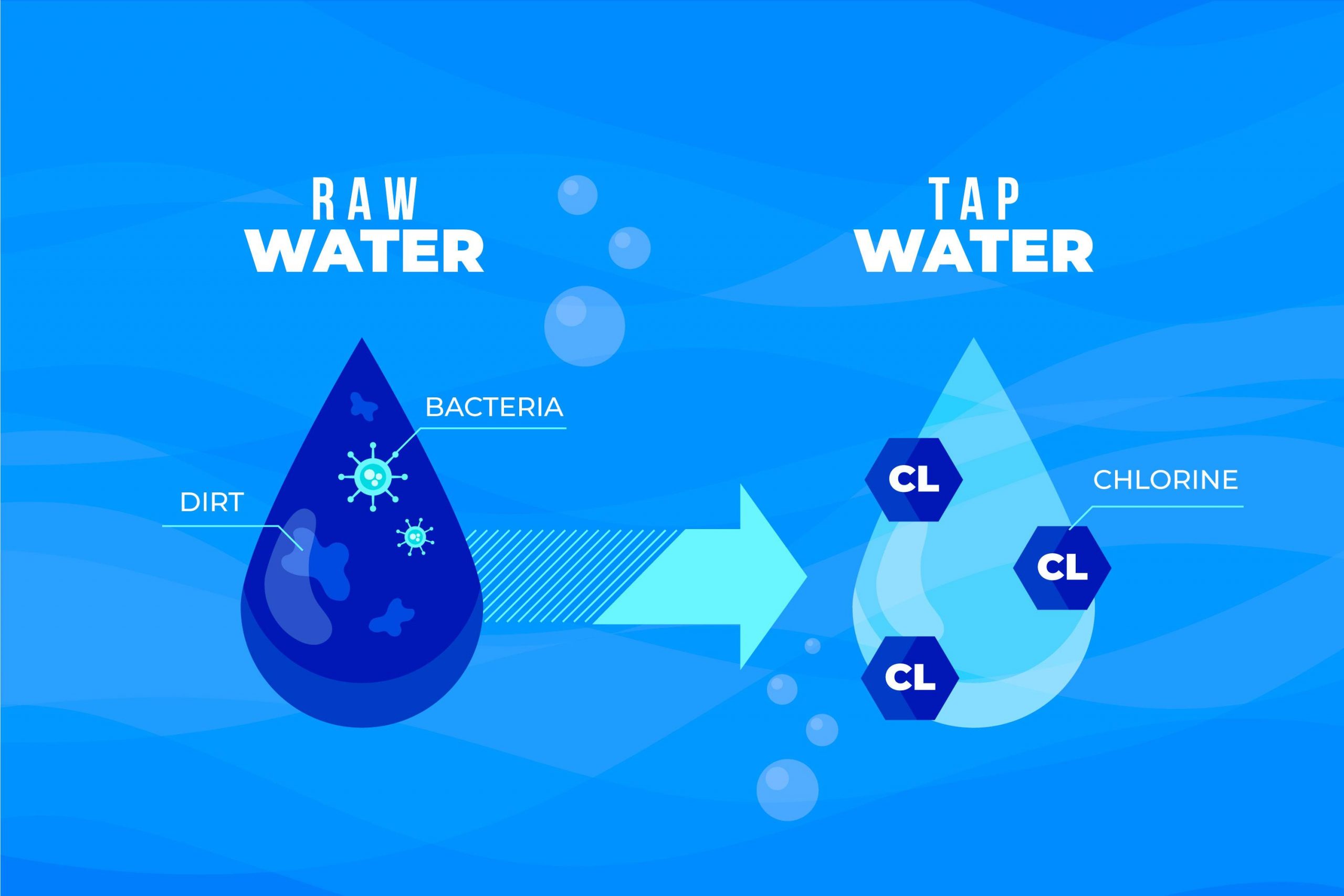 Chlorine in Drinking water – PURE WATER
Space stations use iodine instead of chlorine for water disinfection—because chlorine reacts with metal parts. That slightly metallic taste in astronaut coffee? You’re welcome, NASA.
Ever notice how your tap water tastes different on vacation? That’s because each municipality adjusts its chlorine level and combination. New York City uses a low dose; Los Angeles uses chloramine. Your palate is a water sommelier.
A Reflection for Your Morning Mug
We take clean water for granted—until a boil-water advisory hits. Then we realize: that faint chlorine scent is the smell of security. It’s the gentle whisper of civilization keeping us safe from a world of invisible dangers.
So as you fill your glass today, consider this: the same chemical that helps keep pools pristine is silently protecting your morning brew. Cheers to chemistry. And to the elegant, ordinary miracle of turning on the tap.
Next time you drink that crisp city water, smile. You’re tasting a century of science, a dash of regulation, and a whole lot of peace of mind. Now go hydrate—you deserve it.
