Does Carbon Filter Remove Pfas

Okay, let’s get real for a second: you’ve probably heard the term PFAS thrown around like confetti at a parade, and it’s about as fun to think about as finding a sock in your...
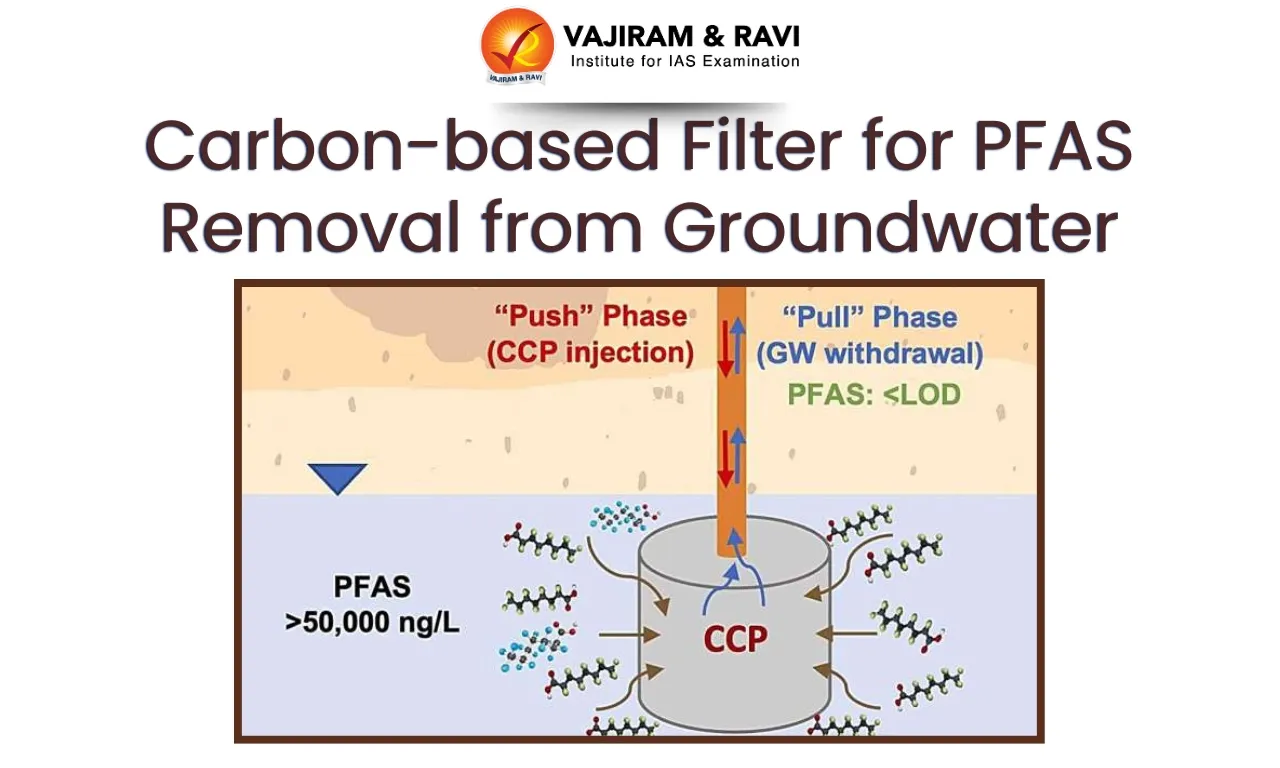
Okay, let’s get real for a second: you’ve probably heard the term PFAS thrown around like confetti at a parade, and it’s about as fun to think about as finding a sock in your salad. These “forever chemicals” are in everything from non-stick pans to waterproof jackets, and yes, they can end up in your drinking water. But here’s the million-dollar question: does a carbon filter remove PFAS? The short answer is yes—but only if you know the right kind.
Think of your standard faucet filter like a very enthusiastic but slightly underpowered puppy. It’s great at catching big stuff like sediment and chlorine, but those sneaky PFAS molecules? They’re like tiny ninjas slipping through the cracks. Activated carbon, the stuff inside most jugs and under-sink filters, is actually pretty good at grabbing some PFAS—especially the long-chain ones. But here’s the kicker: it’s not a magic eraser for every single variety.
Why Your Brita Might Be a Bit Outmatched
You know that pitcher you’ve been lugging around since college? It’s a hero in its own right, but when it comes to reducing PFAS, it’s like bringing a water pistol to a firefight. Most basic carbon filters are designed for taste and odor, not for molecular-level wrestling matches with perfluoroalkyl substances (fancy science words!). If you’re using a standard pitcher, you’re probably getting a 50 to 70 percent reduction on some PFAS—better than nothing, but not exactly a victory dance.
Must Read
The real fun starts when you upgrade to a high-quality carbon block filter. These dense little bricks of charcoal are like the Navy SEALs of water filtration. They force water through a tight maze of carbon, giving those PFAS molecules more chances to get stuck. Look for filters certified by NSF/ANSI Standard 53 or P473—those are the gold stars that say, “Yes, I actually do this job.”
Let’s Talk About the “Forever” Part
Here’s where it gets delightfully nerdy: PFAS are called “forever chemicals” because they don’t break down easily in nature. But in a carbon filter, they don’t have to break down—they just stick to the carbon like barnacles on a ship. The downside? That carbon gets full eventually, like a party guest who had one too many appetizers. If you don’t replace the filter on schedule, those captured PFAS can release back into your water—a sneaky revenge that’s best avoided.
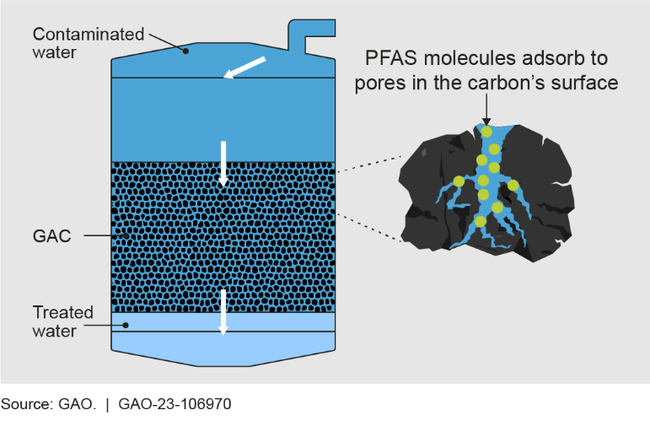 Detecting, Limiting Exposure To, and Treating PFAS Contamination
So, what’s the bottom line? For most homes, a correctly sized carbon block filter is a fantastic, affordable first line of defense. It won’t remove every single PFAS molecule (some short-chain variants are rebels), but it’s a huge upgrade over tap water. Combine it with a little research on your local water contaminants, and you’re already ahead of the game.
And here’s the genuinely inspiring part: you can make your water safer without turning your kitchen into a lab. It’s not about panic; it’s about smart, simple choices. A $60 under-sink filter or a high-end pitcher can dramatically cut your exposure, and that’s a win worth celebrating with a giant, refreshing glass of H2O.
Turning Anxiety into Action (and Fun!)
Let’s be honest—thinking about chemicals in your water isn’t exactly a party topic. But learning about it can be oddly empowering. You get to be the hero of your own hydration story. Start by checking your water utility’s annual report (yes, it’s a real thing!), then pick a filter that matches your needs. It’s like a choose-your-own-adventure book, but with fewer dragons and more clean water.
 Water Filters | Living Whole
The best part? Once you find the right carbon filter, you can actually taste the difference. That crisp, clean sip isn’t just a placebo—it’s proof that you’ve outsmarted a tiny, invisible challenge. You’ll feel like a science wizard, and your kidneys will thank you.
So, does carbon filter remove PFAS? Yes—with the right filter and a little know-how. And here’s the uplifting note: you don’t have to become a water chemist to protect yourself. You just have to be curious. Take one step—buy a certified filter, read a label, or even just ask a friend. That curiosity is the spark that turns a scary headline into a fun, manageable project. Your water is about to get a whole lot more delicious, and you deserve every drop.
Go ahead, sip smarter. You’ve got this.
