Does Boiling Kill All Bacteria

So, you’re boiling water for pasta and wondering: will this bubbling rage kill everything bad? Spoiler alert: not quite. But let’s dive into the fizzy, steamy science. The mi...
So, you’re boiling water for pasta and wondering: will this bubbling rage kill everything bad? Spoiler alert: not quite. But let’s dive into the fizzy, steamy science.
The mighty boil: a microscopic war zone
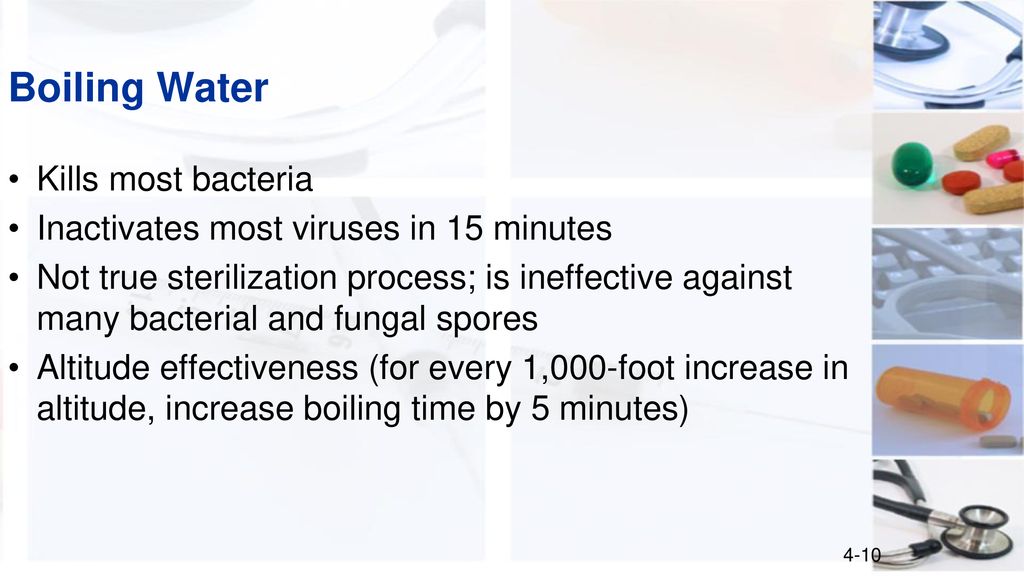
Boiling water hits 212°F (100°C) at sea level. That’s hotter than a summer sidewalk. Most bacteria fry, melt, or explode at this temperature.
But here’s the kicker: some bacteria are tough cookies. They form spores—tiny, armored capsules of doom.
Must Read
Think of spores as bacterial bunkers. They can survive boiling for hours. Yes, really.
Meet the survivors: the spore squad
Bacillus and Clostridium are the bad boys of boiling. They laugh at your 212°F party. Their spores wait, dormant, until the water cools down. Then boom—they revive.
One famous example? Clostridium botulinum. That’s the bug behind botulism, a rare but nasty paralytic illness. It loves canned goods that didn’t get hot enough.
Boiling kills the active bacteria, but not always the spores. That’s why canned food is pressure-cooked at higher temperatures, like 250°F. No spores survive that.
But wait—there’s more! What about viruses and parasites?
Boiling destroys most viruses and parasites easily. Hepatitis A, norovirus, Giardia—all wimps under boiling water. A rolling boil for one minute is usually enough at sea level.
But if you’re up a mountain? Water boils at a lower temperature. At 10,000 feet, it’s only 194°F. Some microbes enjoy a cooler bath. So you need to boil longer—like three minutes—to be safe.
Quirky fact: Everest climbers can’t brew a good cup of tea. The water boils so cold, the tea barely steeps. Priorities, right?
 Boiling Soups: Killing Bacteria And Staying Healthy | AnSoup
The “magic” of time and temperature
Boiling doesn’t kill instantly. It’s a slow dance. Most common water bugs (like E. coli) die within seconds at 160°F. But boiling ensures all of them are toasted.
Here’s a fun detail: pasteurization—used for milk—doesn’t boil. It heats to 161°F for 15 seconds. Boiling is overkill for milk, but it’s a surefire way to kill most germs in water.
But remember: boiling doesn’t remove chemicals. Lead, pesticides, or microplastics? They’re still there, having a pool party. Boil for bacteria, not for pollutants.
Why you shouldn’t trust a “clean” pot
You boiled your water. Great. But what about the spoon you stir with? Or the rim of your cup? Bacteria love surfaces. A clean boil means nothing if you dip a dirty ladle in.
And here’s a grim chuckle: biofilms. Bacteria clump together in slimy communities. They stick to kettle walls. Boiling can kill surface bugs, but not the thick, gooey biofilm underneath. Yuck.
So scrub that kettle sometimes. Your future tea-loving self will thank you.
The clean water dilemma
In emergencies, boiling is the gold standard for killing pathogens. The CDC says: bring water to a rolling boil for one minute (three at high altitudes). Let it cool, and drink.
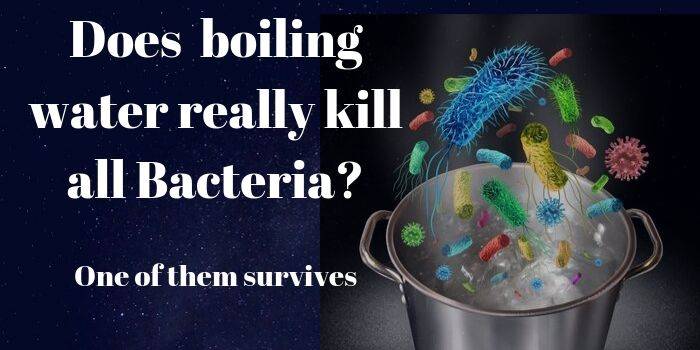 Which Bacteria survive Boiling Water and for How Long?
But in the lab, we can’t boil everything. Medical tools? They need autoclaves—special pressure cookers that hit 270°F. That’s how we sterilize, not just sanitize.
Fun fact: Some extremophiles love heat. There’s a bacterium called Thermus aquaticus that thrives at 176°F. It laughs at boiling—but only at desert hot springs. In your pot? It’s toast at 212°F.
So, does boiling kill ALL bacteria?
Nope. It kills the vast, vast majority—over 99.9%. But those spore-forming punks? They can survive. That’s why we pressure-can or boil for medical use when total sterility matters.
For your daily life, though? Boil away. A rolling boil for one minute is enough to make water safe for drinking. Your gut will thank you.
And if you’re really paranoid? Get a filter or a UV wand. But for most of us, a good boil is perfect.
The takeaway (no pun intended)
Boiling is a superhero, but not invincible. It destroys most germs like a boss, but spores are its kryptonite. Altitude matters. And dirty spoons ruin everything.
So next time you hear “boil water advisory,” relax. Your kettle has your back. Just give it a full minute of angry bubbles. And maybe scrub your spout every now and then.
Stay curious, stay hydrated, and remember: science is weirdly fun.
