Does Hard Water Cause Dandruff

Let’s talk about something that’s been bugging you—and maybe your scalp: dandruff. You’ve probably blamed your shampoo, your stress, or even that questionable diet of instant...
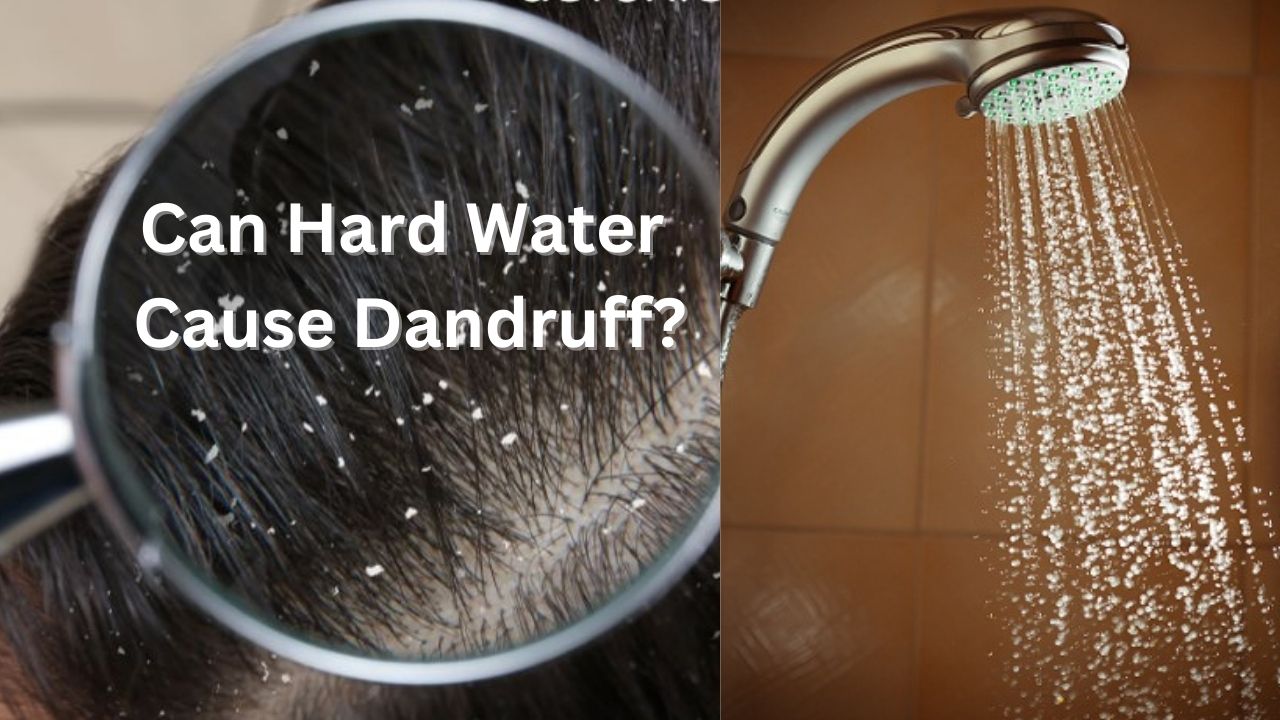
Let’s talk about something that’s been bugging you—and maybe your scalp: dandruff. You’ve probably blamed your shampoo, your stress, or even that questionable diet of instant noodles. But what about your water? Specifically, hard water—that mineral-heavy stuff that leaves white spots on your glasses and makes your skin feel like dried-out jerky.
It’s a fair question: Does hard water actually cause those pesky white flakes? I’ve been down this rabbit hole, and the answer is delightfully tricky. Let’s break it down like a science experiment you’d actually want to try—minus the lab coat.
First, what even is hard water?
Hard water is just tap water loaded with minerals—mostly calcium and magnesium. Think of it as water that went to a mineral spa and came back extra crunchy.
Must Read
When it flows through your pipes, it leaves behind a chalky residue on everything it touches. Your faucets? Spotty. Your showerhead? Clogged. Your hair? Well, that’s where the drama begins.
The dandruff connection: fact or fiction?
Here’s the truth: Hard water doesn’t directly cause dandruff. It’s not like the minerals sneak into your scalp and whisper, “Hey, let’s start flaking!” Dandruff is usually caused by a yeast-like fungus called Malassezia that loves an oily scalp.
But—and this is a big, stubborn, soap-scum-sized “but”—hard water can make dandruff worse. How? By messing with your hair and scalp’s natural balance.
Think of it this way: hard water leaves a mineral film on your scalp that’s almost impossible to wash off with regular shampoo. That buildup can dry out your skin, clog your pores, and create the perfect, grumpy environment for flakes to thrive.
The sneaky science behind the flakes
Imagine your scalp throwing a tiny tantrum. Hard water makes it harder for shampoo to lather, so you might scrub harder or use more product. That extra friction and residue irritate your skin, triggering inflammation—and hello, dandruff.
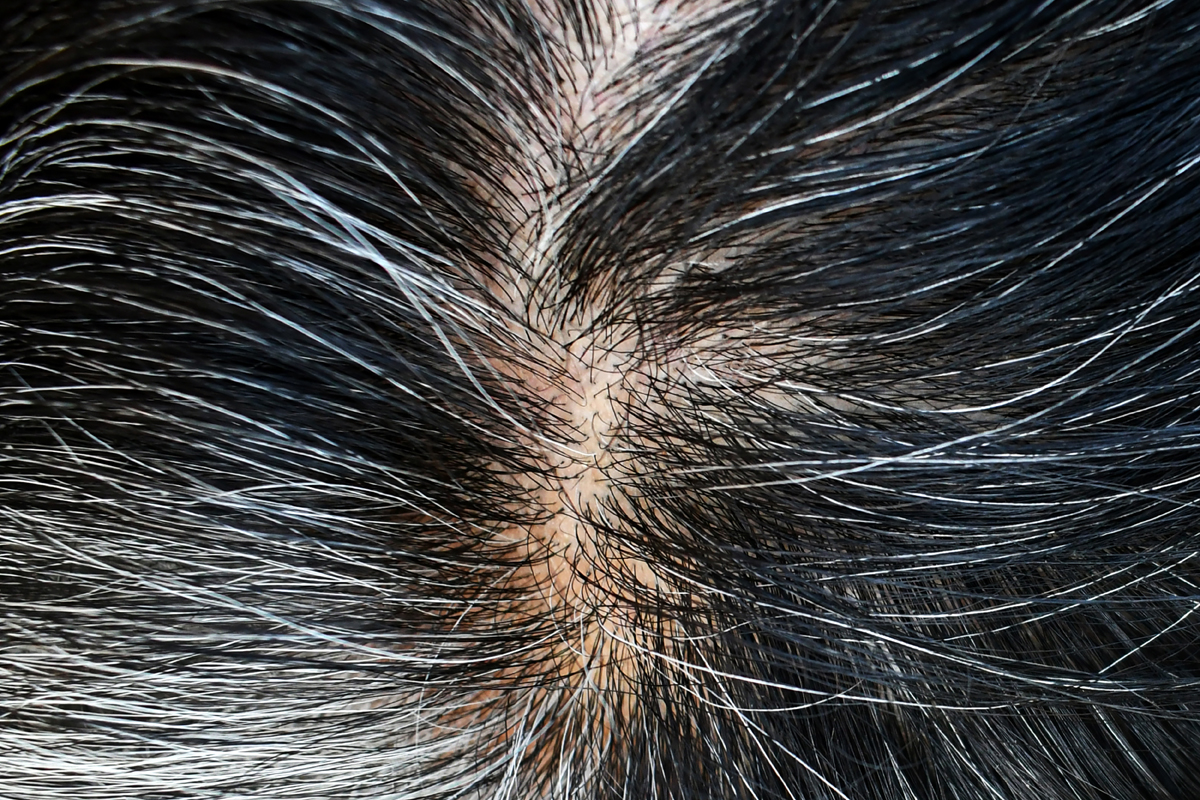 Does Hard Water Cause Dandruff? - Salt Works USA
Plus, those minerals can leave your hair feeling like straw. And when your scalp feels dry and tight, it overcompensates by producing more oil, which Malassezia finds delicious. It’s a vicious cycle, like a soap opera for your head.
Signs hard water is your flaky frenemy
Not sure if your water is the culprit? Look for these red flags: your hair feels stiff, dull, or coated after washing—like you’ve used a bar of chalk instead of conditioner. Your scalp itches more than usual, especially after a shower.
And if you’re using a dandruff shampoo that worked wonders on vacation (where the water was soft) but fails at home? Bingo. That’s your water waving a tiny white flag.
Can you fight back? (Spoiler: yes, and it’s hilarious)
You don’t need to move to a house with a magical soft-water spring. Start by trying a clarifying shampoo once a week—it’s like a deep-clean scrub for your scalp, stripping away mineral buildup. Look for one with chelating agents like EDTA, which latch onto minerals and drag them down the drain.
Another trick? Rinse your hair with diluted apple cider vinegar or lemon juice. The acid helps dissolve the mineral film. Just don’t use it straight or you’ll smell like a salad—and your cat might try to eat your hair. True story, maybe.
What about a water softener?
If you’re committed to the flake-free life, installing a water softener is the nuclear option. It swaps out calcium and magnesium for sodium, making your water silky smooth. Your hair will feel softer, your skin will thank you, and your faucets will gleam like a movie star’s smile.
 What Hard Water Does to Your Hair And How to Fix It
But let’s be real: not everyone wants to drop cash on a machine that looks like a mini spaceship in the laundry room. That’s okay—you’ve got other tricks up your sleeve.
The little things that make a big difference
Try washing your hair with filtered or bottled water if your shower has a hose attachment. It sounds extra, but it’s surprisingly easy—like giving your scalp a spa day without the cucumber slices.
Also, don’t over-wash. Hard water dries your scalp out faster, so washing every day can backfire. Listen to your scalp: if it’s cranky, give it a break. And always follow up with a good conditioner, which seals in moisture and forms a barrier against mineral cling.
The final, flake-free verdict
So, does hard water cause dandruff? No—but it’s an incredibly annoying accomplice. Think of it as the guy who lights the fuse while dandruff is the bomb. You can’t blame the water for the explosion, but you can definitely blame it for making the mess worse.
The good news? You’ve got power here. A little vinegar, a clarifying shampoo, or a water softener can turn your shower into a flake-fighting fortress. And if all else fails, just remember: dandruff is a universal nuisance, and even Drake probably gets a snowflake or two on his shoulder sometimes.
Here’s the uplifting truth: You are not your flakes. You’re a magnificent, resilient human with a scalp that’s just trying its best. A little mineral residue isn’t going to stop you from being the awesome, fun-loving person you are—flakes or no flakes. So go forth, rock that black shirt with confidence, and if a flake falls, just call it a little piece of your sparkling personality. You’ve got this.
