Does Methane Dissolve In Water

You know that satisfying fizz when you crack open a can of soda? That’s carbon dioxide gas saying a quick hello and then dissolving into the liquid. The world of gases and wat...

You know that satisfying fizz when you crack open a can of soda? That’s carbon dioxide gas saying a quick hello and then dissolving into the liquid. The world of gases and water can be a bit like a crowded dance floor—some gases slip right in, and others just don’t want to join the party. So, where does methane, that mysterious gas you hear about in environmental news, land on the guest list?
Let’s get straight to the point: Methane does dissolve in water, but it’s like a shy wallflower at a high school dance. It’s not a total loner, but it definitely doesn’t mix as easily as sugar or salt.
Think of it like oil and a rainy day
Imagine you’ve just poured a little olive oil into a glass of water. What happens? It floats, stubbornly refusing to blend. Methane is a bit like that oil—it’s a nonpolar molecule, and water is very polar. They’re like two people who speak entirely different languages.
Must Read
Because of this personality clash, only a tiny amount of methane actually dissolves. At room temperature, you can only get about 0.0022 grams of methane to cozy up in 100 grams of water. That’s like trying to fit a single grain of rice into a bathtub—it’s there, but barely.
When the water gets colder, it’s a little more generous. Think of a cold lemonade on a hot day—it holds more fizz. Cold water can hold a smidge more methane, but trust me, it’s still a very grudging host.
Where you’ll actually bump into dissolved methane
You’ve probably never tasted it—thankfully, because methane is odorless and tasteless in water. But it’s hiding in some places you might not expect. Have you ever walked past a swamp or a stagnant pond and noticed little bubbles rising to the surface?
Those bubbles are called “swamp gas,” and they’re mostly methane produced by tiny bacteria munching on dead plants underwater. A little bit of that methane dissolves in the swamp water before making its escape to the air. It’s nature’s own tiny soda factory, but without the tasty flavor.
Farmers also deal with dissolved methane in manure lagoons (yep, that’s a polite term for it). The bacteria in that rich, earthy slurry produce methane, and some of it stays dissolved until it eventually bubbles up. It’s not exactly dinner table conversation, but it’s a real thing!
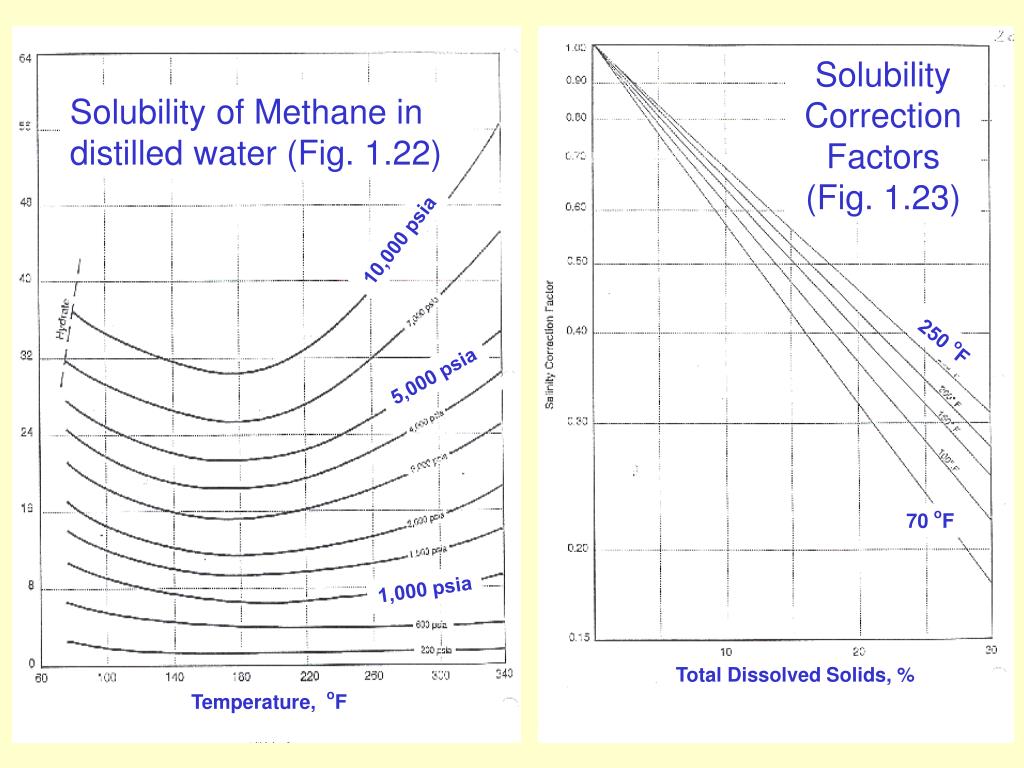 PPT - Well Control PowerPoint Presentation, free download - ID:1816372
Methane and your morning coffee? Not quite
You might wonder, “Should I worry about methane in my tap water?” The short answer is no. Municipal water systems are designed to remove or vent dissolved gases before it reaches your faucet. Your morning coffee is safe from making you burp like a cow.
But there is one quirky exception: ice cores. Scientists drill deep into glaciers and find ancient air bubbles trapped in the ice. Those bubbles contain methane that dissolved into ancient meltwater and then got frozen in time. It’s like a tiny time capsule of Earth’s atmosphere from thousands of years ago.
Why you should care about this shy gas
Here’s where it gets personal—and why this matters for your lunch break. Methane is a powerful greenhouse gas, about 80 times more potent than carbon dioxide over 20 years. When it dissolves in water, it’s temporarily locked away from the atmosphere.
But when that water warms up—say, from climate change—the methane escapes like bubbles from a shaken soda bottle. That’s a big deal because it can accelerate global warming. It’s like inviting a shy guest to a party, and suddenly they start a dance craze.
Think of the Arctic permafrost: as it thaws, it releases methane into nearby lakes and rivers. Some of it dissolves, but warmer water means more methane gets released into the air. It’s a feedback loop that makes scientists sit up late at night with their coffee.
 PPT - Properties of Oilfield Waters PowerPoint Presentation, free
What about your backyard? A little story
Last summer, my neighbor’s compost pile smelled a bit funky. He was proud of it, but I noticed little bubbles forming in the puddles near the bin. Methane, I whispered, feeling like a science detective. A tiny amount was dissolving into the rainwater, then escaping as the sun heated the ground.
It wasn’t dangerous, but it reminded me: every little bit counts. Even your backyard compost pile is part of the methane dance. The good news? Properly managed compost doesn’t produce much methane because it needs oxygen. So keep it turned, and you’ll be a hero.
So, does it dissolve? Yes, but it’s a flirt
To wrap it all up with a bow: Methane does dissolve in water, but only in small amounts. It’s more like a casual acquaintance than a best friend. Cold water helps, pressure helps, but it always prefers the air.
Knowing this helps you understand why natural gas leaks (which is mostly methane) are so tricky. If a pipeline leaks underground, some methane dissolves in groundwater, but most of it escapes to the surface. That’s why you can smell the additive they put in it.
Next time you see a pond or a glass of cold water, give a little nod to the invisible methane molecules doing their quiet, shy dance. They’re a tiny part of the big, weird, wonderful world of chemistry—right under your nose.
And if someone asks you, “Does methane dissolve in water?” you can smile, take a sip of your soda, and say, “A little, but it’s not the life of the party.” That’s a fun fact to bubble up at your next dinner table.
