What Is In Tap Water In The Uk

So, you’re standing in your kitchen, watching that clear stream of tap water splash into your glass. You’re thinking, “This is free. This is safe. But what exactly am I about...

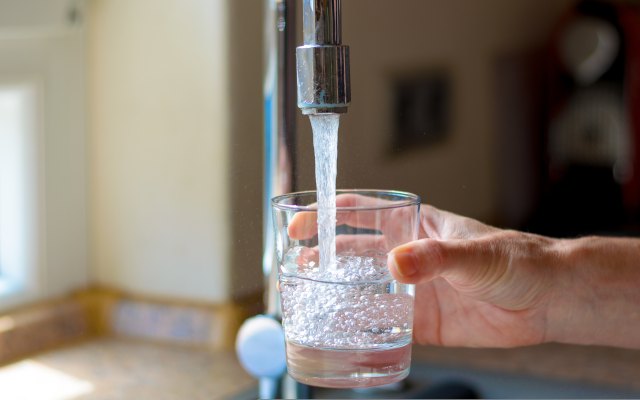
So, you’re standing in your kitchen, watching that clear stream of tap water splash into your glass. You’re thinking, “This is free. This is safe. But what exactly am I about to drink?” Well, grab a seat and put your kettle on, because the answer is a lot weirder—and weirder in a totally fine way—than you’d expect.
The Official Recipe: It’s Not Just H₂O
Let’s start with what the water companies want you to know. UK tap water is a precise cocktail of minerals, chemicals, and a tiny dash of “it’s probably fine.” First up: chlorine. Yes, the same stuff that makes swimming pools smell like a bad decision is in your tap water, but in teeny, tiny amounts. It’s there to kill bugs, not you—think of it as a microscopic bouncer at a nightclub for bacteria.
Then you’ve got fluoride. This is the controversial houseguest that some areas add to strengthen your teeth. If you’ve ever blamed tap water for your dentist’s bill, blame your sweet tooth instead—fluoride is actually the hero here. In some spots, they also add orthophosphate, which sounds like a villain from a sci-fi movie but is really just a guardian angel that stops lead from old pipes leaching into your cuppa.
Must Read
The Hard Truth: Limescale Is Your Frenemy
Ah, the dreaded limescale. If you live in the South or East of England, your kettle probably looks like a geological formation. That white crust is calcium carbonate—basically, the skeleton of ancient sea creatures ground up and dissolved in your water. It’s harmless to drink, though it does make your tea taste “crisp” (or “chalky,” depending on your mood). In Scotland and the North, you get soft water, which is so pure it practically apologizes for existing. Northerners, your tap water is basically a spa treatment for your hair. Southerners? Your water is just remineralized dinosaur bones.
But Wait, There’s More: The Surprising Bits
Here’s where it gets funny. The UK’s water supply is legally allowed to contain trace amounts of stuff you’d never guess. For example, did you know your tap water likely has nitrates from farming? Not enough to turn you into a super-soldier, but enough that if you’re a baby under six months, the NHS says “maybe stick to boiled water.” Also, there’s aluminium—a metal that makes your water clearer but is also used in deodorant. So technically, your tap water is a bit of an antiperspirant for your plumbing pipes.
 Water supply | Water UK
And then there’s the microplastics. Brace yourself. A 2019 study found that 72% of UK tap water samples contained plastic fibres. That sounds terrifying until you realize you’re probably already eating a credit card’s worth of plastic per week from takeaway containers. The good news? UK water quality is so tightly regulated that the plastic you drink is less than what you get from dust. Just… don’t think about it too hard.
The Real Villain: What’s Not In There
You know what you won’t find in UK tap water? Any of the stuff that’s in American tap water. No, we’re not bragging—it’s just weird. Our water has less than four parts per million of total dissolved solids in some areas. Compare that to Flint, Michigan, where the water was basically a chemistry experiment gone wrong. Here in Blighty, if you drink from a tap in London, you get a mineral profile that’s 99.9% free of lead, pesticides, and E. coli. The UK has one of the safest public water supplies in the world, which is ironic given that our national dish is a pie filled with mystery meat.
:max_bytes(150000):strip_icc()/is-london-tap-water-safe-1583358-FINAL-5c26657d46e0fb0001a47358.png) Is Hotel Bathroom Tap Water Drinkable at Eugene Mash blog
Is Hotel Bathroom Tap Water Drinkable at Eugene Mash blog
The Taste Test: Why Does It Vary by Postcode?
Ever notice that water in Cornwall tastes different than in Manchester? It’s not your imagination. It’s the source. Southern water comes mostly from chalk aquifers deep underground—imagine dinosaur-filtered rainwater. Northern water is scooped from reservoirs in the hills, which is why it tastes more “mountain stream” and less “Victorian plumbing.” And London’s water? It’s been through at least seven kidneys worth of recycling (joking, but not really—it’s heavily treated). The result: your tea at Pret tastes different than your tea in Glasgow. Embrace it.
So, Should You Drink It?
Absolutely. Unless you’re a goldfish, in which case the chlorine might sting. The UK’s tap water is free, safe, and wildly entertaining once you know its secrets. It’s got a bit of chlorine, a pinch of ancient sea creatures, a splash of fluoride, and the occasional microplastic souvenir. But hey, it’s also got zero sugar, zero calories, and zero judgment. So fill up your glass, toast the Victorian engineers who built the pipes, and remember: the worst thing in your tap water is probably just the taste of your own bad morning breath.
Cheers. (Literally. That’s what the calcium carbonate is for.)
