How To Test Water For Hardness

So, you’ve moved into a new place, and your shower feels less like a cleanse and more like a betrayal. Your skin is drier than a comedian’s wit, and your kettle looks like it’...
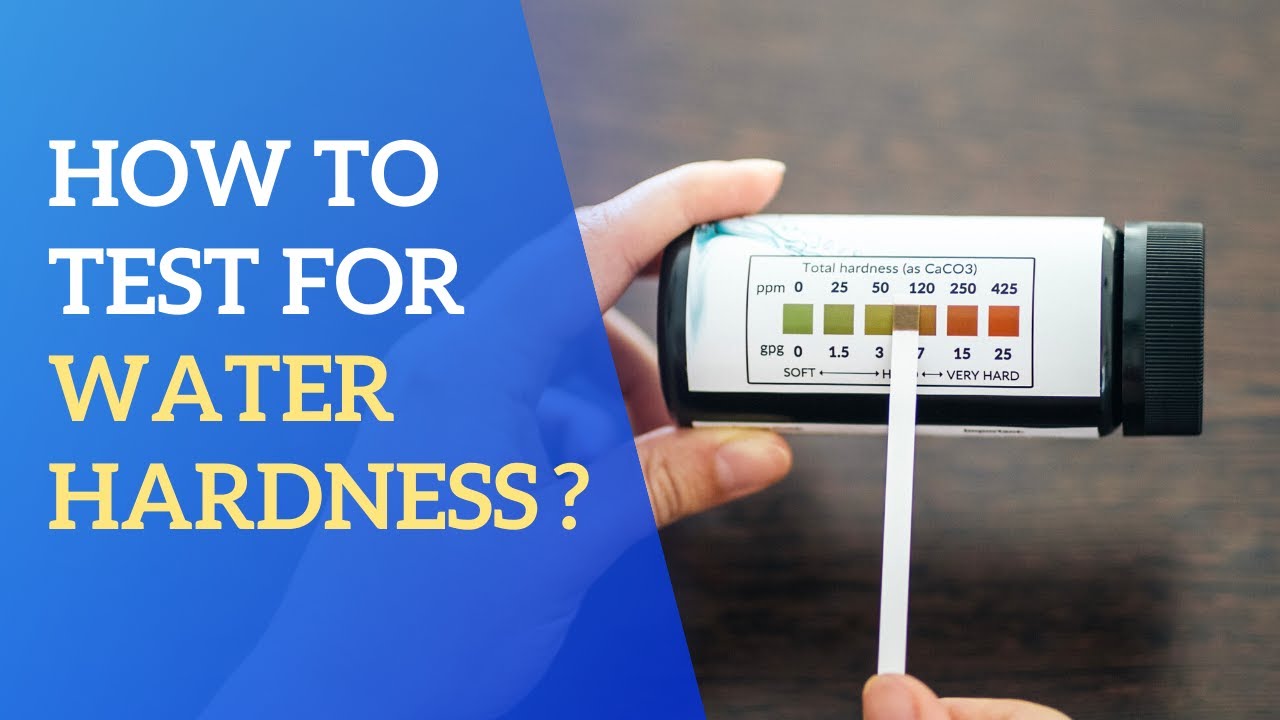
So, you’ve moved into a new place, and your shower feels less like a cleanse and more like a betrayal. Your skin is drier than a comedian’s wit, and your kettle looks like it’s growing fossils. Calm down, you don’t have a poltergeist—you’ve got hard water.
Hard water is basically liquid rock juice. It’s full of calcium and magnesium, which are great for your bones but terrible for your plumbing and your patience. Before you spend a fortune on a water softener, let’s figure out if you really need one.
Step One: The Soap Shakedown
This is the laziest, most fun test, so let’s start there. Grab a clean, clear plastic bottle—a water bottle works perfectly. Fill it about halfway with tap water.
Must Read
Now, add five drops of plain liquid dish soap. Don’t use fancy, “moisturizing” stuff; use the cheap, runny kind that looks like water. Cap the bottle and shake it like you’re trying to win a carnival prize—go nuts for ten seconds.
If you get a mountain of fluffy, billowing suds that look like a cloud made of soap, you have soft water. If you get a thin, sad layer of bubbles and the water looks cloudy like skim milk, congratulations—you have hard water. The minerals literally fight the soap and steal its power.
Surprising fact: Hard water can actually save you money on soap because you use less to get clean—but it leaves a film on you that feels like you never rinsed. So, you win some, you lose some, and your hair loses all its shine.
Step Two: The Fingerprint of Despair
Okay, so the soap test was a little dramatic. Let’s get scientific—the kind of science you can do while watching TV. Boil a cup of your tap water in a clean glass pot and let it cool completely.
Pour the water out and look at the bottom of the pot. If you see a white, chalky residue that looks like a tiny desert landscape, that’s calcium carbonate. It’s the same stuff in antacid tablets, but now it’s haunting your cookware.
This residue is actually precipitated minerals. In super hard water areas, you can literally hear the water “sigh” as it leaves a crust on your heating elements. I’ve seen kettles that looked like they had a bad case of dandruff—gross but fascinating.
 4 Ways to Test Water Hardness (Easy Methods)
Step Three: The DIY Chemistry Lab
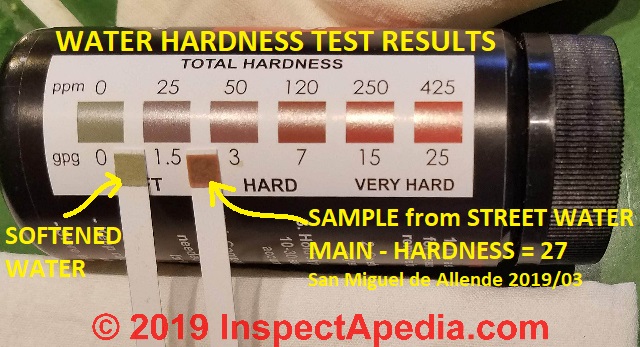
If you’re a nerd (and I say that with love), you can buy a water hardness test kit for about ten bucks. These usually come with a small vial and a dropper of liquid reagent—just fill, add drops, and count.
You add the reagent drop by drop until the water changes color. One drop equals one grain of hardness. If you need more than 10 drops before the color shifts, your water is harder than a calculus exam. If it changes on the first drop, you have water as soft as a kitten’s ear.
Surprising fact: Water hardness is measured in “grains per gallon”—a term leftover from medieval trade. A grain is literally the weight of a grain of barley. So you are measuring your water in old-timey barley units. History is weird.
Step Four: The Squint-and-See Method
You don’t even need equipment for this one—just your eyes and a glass. Fill a clean glass with tap water and hold it up to a light. Look for tiny, floating specks that look like white dust or glitter.
Those specks are calcium carbonate particles that didn’t dissolve. Water holds minerals in solution, but if it’s too saturated, they just hang out like uninvited guests. In extreme cases, you can see what looks like a miniature blizzard in your drinking glass.
If you see that, your water is not just hard—it’s aggressively hard. It’s the kind of water that leaves rings in your toilet bowl that look like ancient tree rings. You might need to call a plumber, or at least buy a lot of vinegar.
 How Often to Descale Keurig: Quick Guide
The “Worst Case Scenario” Check
Before you panic, let’s talk about levels. The US Geological Survey has a scale: 0-60 mg/L is soft, 61-120 is moderately hard, 121-180 is hard, and above 180 is “very hard.” Very hard water is basically tap water that’s trying to become a rock.
But here’s the kicker—hard water is actually safe to drink. In fact, it can provide a tiny bit of dietary calcium and magnesium. It just wrecks your appliances, makes your laundry feel like cardboard, and turns your glassware into foggy disasters.
Fun fact: The hardest water in the US is found in the Midwest, particularly in parts of Indiana and Texas. The water is so hard there that people’s showers have been known to form stalactites. I’m exaggerating. Slightly.
The Final Verdict
So, what do you do if your water is harder than a wedding cookie? You have three options: live with it, buy a pitcher filter (which helps a little), or install a whole-house water softener (which costs but fixes everything).
But before spending money, do the soap shake test right now. If you got cloudy water, welcome to the club—it’s a big, crusty club. If you got fluffy suds, go thank your pipes. Either way, you now know how to test for hardness without any fancy gear, just a little chaos and a lot of curiosity.
And remember: Hard water isn’t evil—it’s just stubborn. Kind of like your Uncle Bob at a family dinner. You can’t change it, but you can learn to work around it. Now go shake that bottle like a scientist with a sense of humor.
