How To Get Rid Of Chlorine Gas

Let’s be real for a second: when you hear “chlorine gas,” it sounds like something out of a sci-fi movie or a chemistry lab gone wrong. Right? But here’s the kicker—you might...
Let’s be real for a second: when you hear “chlorine gas,” it sounds like something out of a sci-fi movie or a chemistry lab gone wrong. Right? But here’s the kicker—you might have already encountered it while cleaning your bathroom or unclogging a drain. Yes, that sharp, eye-burning smell? That’s a tiny whiff of the same stuff.
So, Why Do We Even Care?
Because accidentally mixing the wrong household cleaners (like bleach and ammonia) is freakishly easy. And boom—you’ve got a cloud of toxic gas that’s anything but chill. It’s not about fear, though. It’s about knowing how to handle it with calm, simple moves.
The First, Fastest, and Coolest Fix: Fresh Air
Think of chlorine gas like a ninja that loses its power in an open field. Your best weapon is instant ventilation. Open every window, door, and maybe even turn on a fan to suck the bad stuff outside.
Must Read
Don’t stand there like a detective sniffing the air. That’s a rookie move. Just get out of the room, take a deep breath of fresh air, and let the breeze do the heavy lifting.
Water: The Unlikely Superhero
Here’s something weird and fascinating: chlorine gas is surprisingly buddy-buddy with water. It dissolves into it, turning into something way less dangerous. So if you mist the air with water (like from a spray bottle), you’re basically neutralizing the gas droplets.
Think of it like a rainstorm putting out a campfire. It’s not magic—it’s just chemistry being a bro. But don’t spray yourself or the gas directly; just aim a fine mist above the spill area if it’s safe to enter.
Baking Soda and Vinegar? Wait, No.
Okay, you might be tempted to throw baking soda and vinegar at the problem. Stop right there. That fizzy volcano might neutralize some spills, but mixing anything else into a gas cloud can create more toxic surprises.
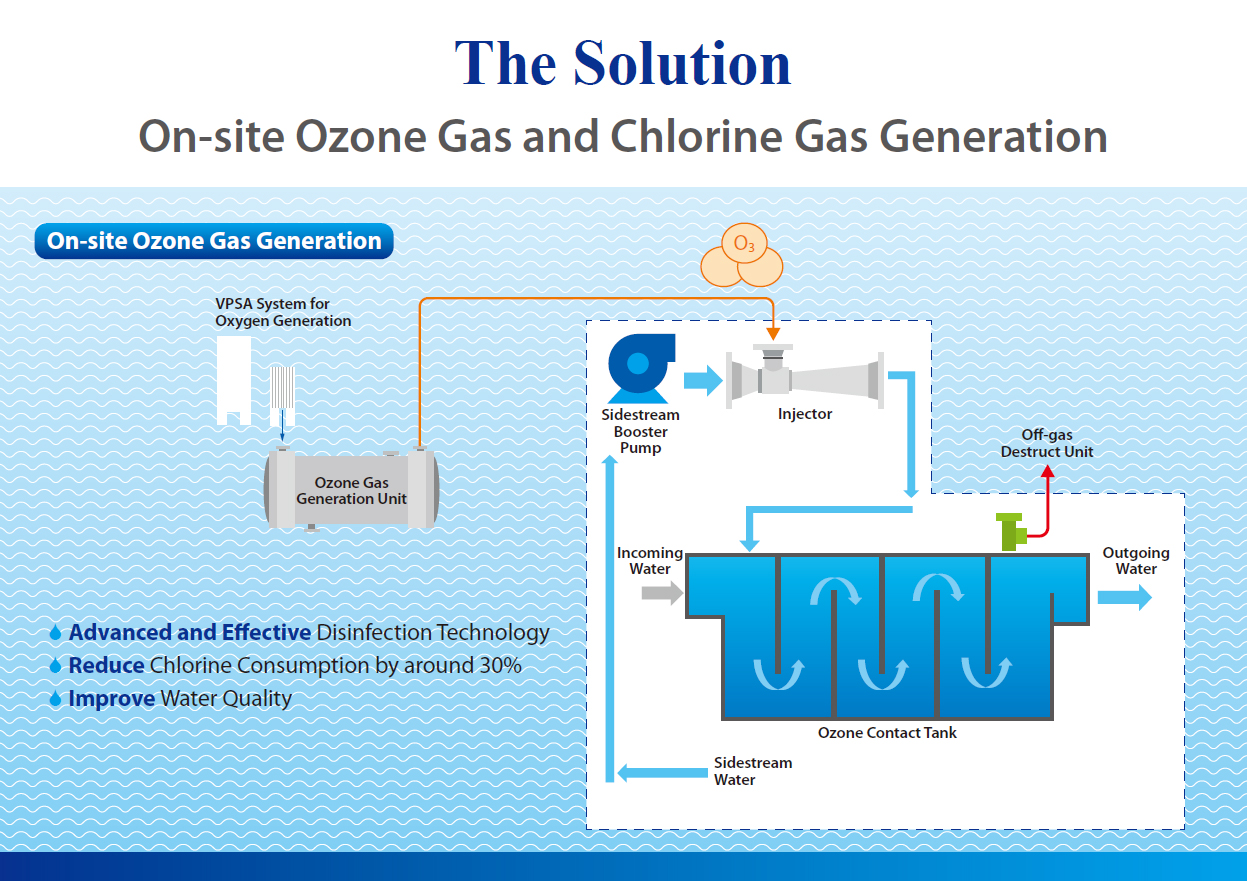
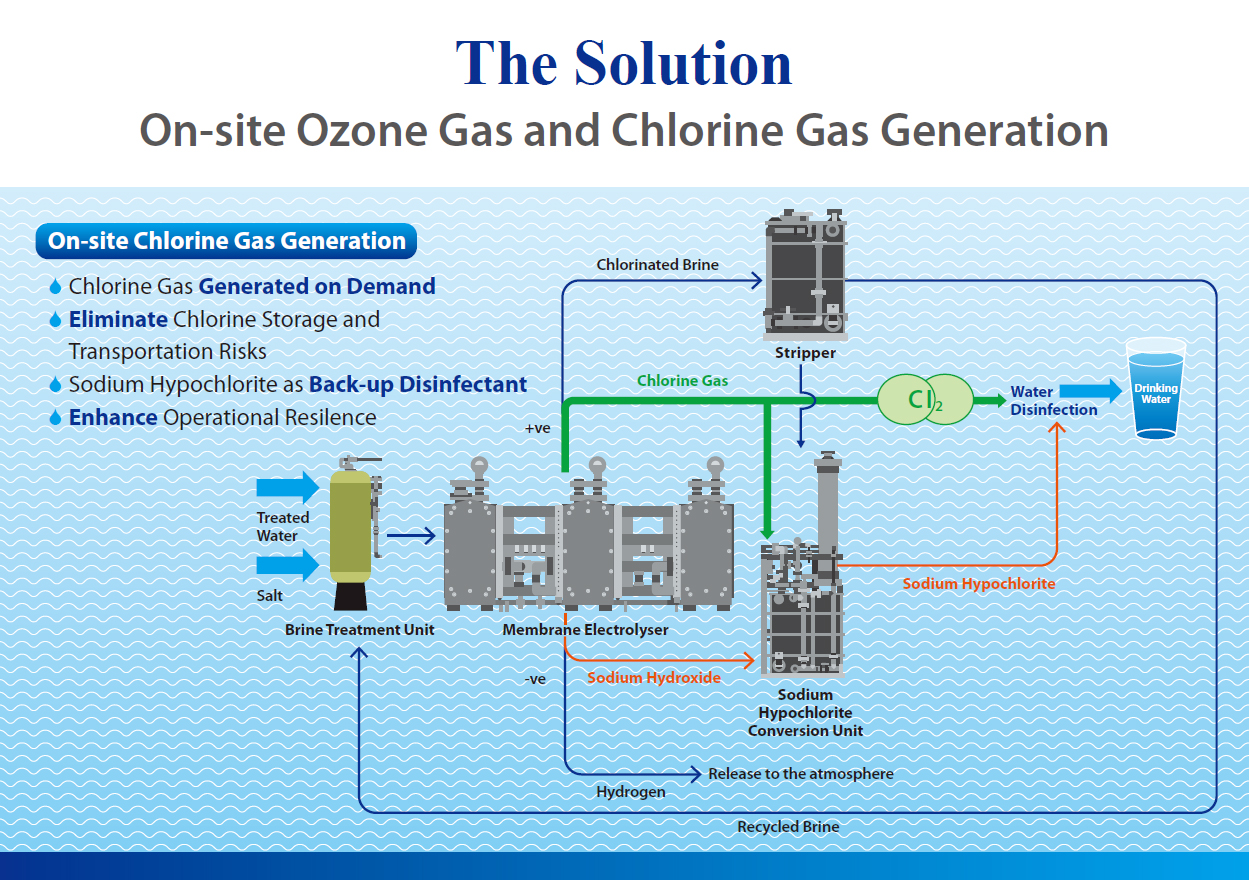 WSD - Special Features: On-site Generation of Ozone Gas and Chlorine Gas
Stick to simple: absorb liquid spills with sand, kitty litter, or baking soda itself (without vinegar). Once absorbed, bag it up and seal it like you’re hiding a treasure. The goal is to contain, not react.
The “Leave It to the Pros” Move
Sometimes the coolest thing you can do is walk away and call someone who does this for a living. Serious chlorine gas leaks (like from a pool chemical mishap) are not DIY projects. Fire departments or hazmat teams have suits, masks, and fun gadgets that eat gas for breakfast.
It’s like calling a plumber when your sink explodes. You don’t fix it yourself—you respect that it’s bigger than you. That’s not weakness. That’s wisdom.
What About Your Clothes and Furniture?
Chlorine gas loves to cling to fabrics like a jealous ex. If your clothes reek of it, just toss them in the trash or soak them in a bucket of water outside. Never wash them in your machine unless you want your next load of t-shirts to smell like a pool chemical factory.
Furniture is trickier. Open the windows, let it air out for hours, and maybe sprinkle baking soda on cushions to absorb the stank. Time is your friend here—patience beats panic every time.
 Chlorine Gas Leak Control Kit for 100 Kg Cylinder, For Chemical at
The Fun Comparison: It’s Almost Like Cooking
Think of chlorine gas like burning garlic on a hot pan. That acrid smell makes you cough and run for the windows, right? Well, managing it is similar: turn off the heat (stop the source), open all the exits (ventilation), and don’t stick your face over it. The difference is you never, ever taste-test chlorine gas. No Michelin stars here.
Prevention: The Real Jedi Move
Want to dodge this drama entirely? Don’t mix bleach with anything except water. Read labels like they’re secret codes. And store pool chemicals in a cool, dry place—not in your garage next to the paint thinner.
It’s like putting a seatbelt on before driving. Boring? Maybe. But it saves you from a wild ride no one wants to take.
Final, Chill Thoughts
Chlorine gas isn’t a monster you need to fight. It’s just a chemical that got a little frisky. You control the situation with air, water, distance, and brains. And if it gets too intense, you call the pros and let them be the heroes.
Stay curious, stay safe, and maybe save the chemistry experiments for a well-ventilated room. Or for YouTube. That’s fine too.
