How To Test For Water Hardness

Ever wonder why your soap doesn’t lather up into a fluffy cloud, or why your showerhead looks like it’s crusted with tiny white stalactites? That’s the magic—or maybe the anno...
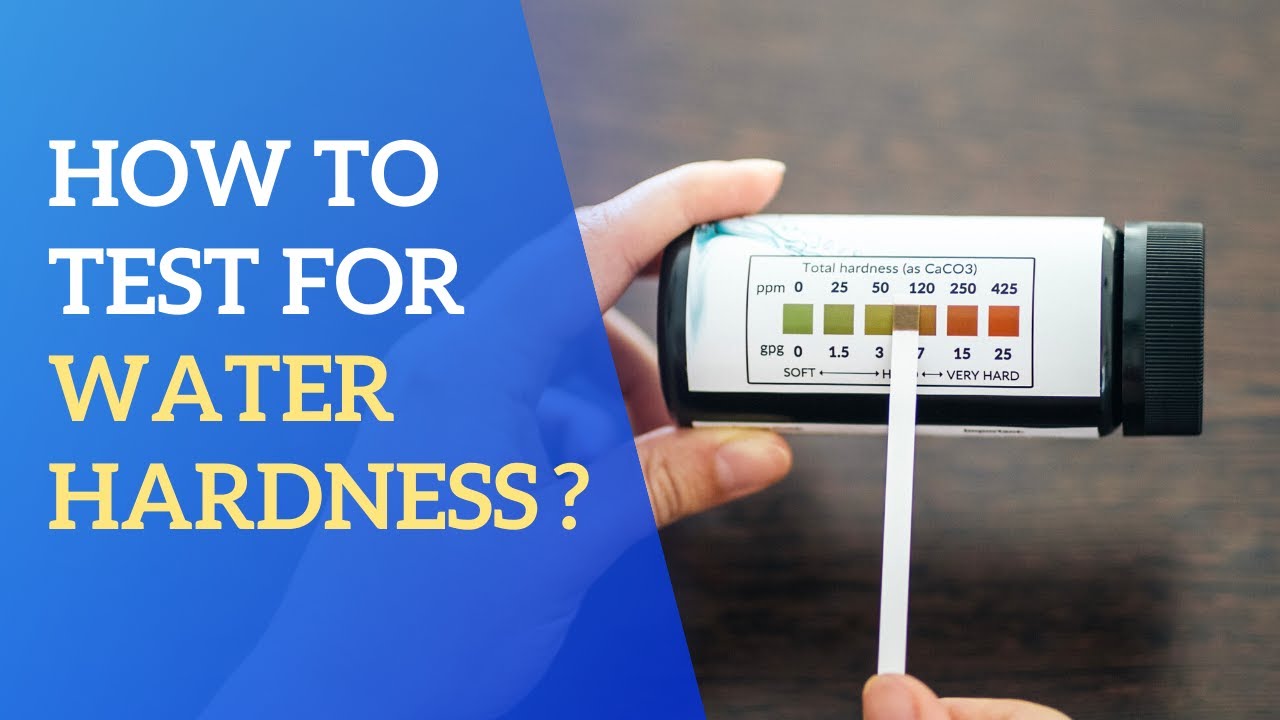
Ever wonder why your soap doesn’t lather up into a fluffy cloud, or why your showerhead looks like it’s crusted with tiny white stalactites? That’s the magic—or maybe the annoyance—of hard water. It’s basically just water that’s picked up a bit of calcium and magnesium on its journey through rocks and soil. Don’t worry, you’re not drinking a mineral shake; it’s perfectly safe, just a little, well, stubborn.
So, why should you care? Imagine trying to wash your hair with a gentle shampoo, but it feels like you’re scrubbing with chalk. Hard water can leave your dishes spotty, your skin feeling dry, and even shorten the lifespan of your appliances. Testing your water hardness is the first step to figuring out if you need a water softener or just a new cleaning routine. Sound like a science experiment? It’s actually way easier than baking a cake.
The Old-School Shake Test (No Lab Coat Required)
Grab a clean, clear plastic bottle with a tight lid—like an old soda bottle. Fill it about one-third full with tap water, then add a few drops of pure liquid soap (not detergent, just basic soap). Put the lid on and shake it like you’re mixing a cocktail for about ten seconds.
Must Read
Now, look at what happens. If the water turns milky and cloudy and you see almost no suds, you’ve got hard water. If you get a nice, big pile of fluffy bubbles that stick around, you’ve got soft water. It’s not super precise, but it’s a fun, quick check—like a party trick for your kitchen sink.
The Soap Scum Detective Work
This one is more about noticing patterns. After washing your hands with a bar of soap, does a filmy ring form around the sink? That’s soap scum, the chemical ghost of hard water mixing with your soap. It’s also why your bathtub might feel a little gritty even after a scrub.
Check your glassware, too. After a dishwasher cycle, are your glasses streaky or covered in a white powder? That’s another clue. If you’ve got a tea kettle or coffee maker, look inside for white, crusty deposits—those are mineral scales. It’s basically the water saying, “I’m strong, and I leave a mark.”
 4 Ways to Test Water Hardness (Easy Methods)
The High-Tech Strip Test (For the Curious Mind)
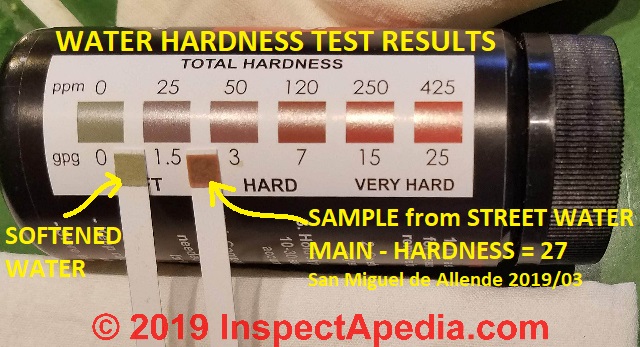
If you want actual numbers (because who doesn’t love a good chart?), head to a hardware store or buy a water hardness test strip kit online. They’re cheap, usually under ten dollars. Dip a strip in a glass of tap water for a few seconds, then wait for it to change color.
Compare that color to the chart on the bottle—it’ll tell you if your water is soft, moderately hard, or very hard (think: 10+ grains per gallon). It’s like a pH test for your pool, but for your tap. And yes, it feels oddly satisfying to get a definitive answer, like finishing a crossword puzzle.
The Digital Gadget (Because Gizmos Are Fun)
For the tech-savvy, there’s the TDS meter (total dissolved solids meter). It’s a little pen-like device that measures all the minerals in your water, not just calcium and magnesium. Dip the tip into your water, and it gives you a number in parts per million (ppm).
 How Often to Descale Keurig: Quick Guide
A reading under 60 ppm is typically soft, while over 200 ppm is considered hard. It won’t tell you the exact calcium-to-magnesium ratio, but it’s a quick, cool little tool. Honestly, it’s the most fun you can have with a glass of water—and it makes you feel like a real scientist.
Why Bother? The Cool Side of Knowing
Once you know your water’s hardness, you’re no longer fighting a mystery. You can adjust your detergent dose, consider a water filter, or just appreciate why your soap behaves the way it does. It’s like finally understanding why your favorite plant is droopy—you just needed the right info.
Plus, hard water isn’t all bad. Those minerals? They can actually contribute to your daily intake of calcium and magnesium. So, if your water is hard, you’re basically getting a tiny, free mineral supplement with every glass. How cool is that?
Testing is simple, cheap, and genuinely satisfying. You don’t need a degree in chemistry—just a bottle, some soap, or a ten-dollar strip. So go ahead, give it a shake, a dip, or a meter check. Your dishwasher, hair, and curiosity will thank you.
