How To Get Fluoride Free Water

You’re standing in the grocery aisle, staring at a bottle of water that costs more than your morning latte. It claims to be “purified,” “spring,” or “alkaline,” but what you r...
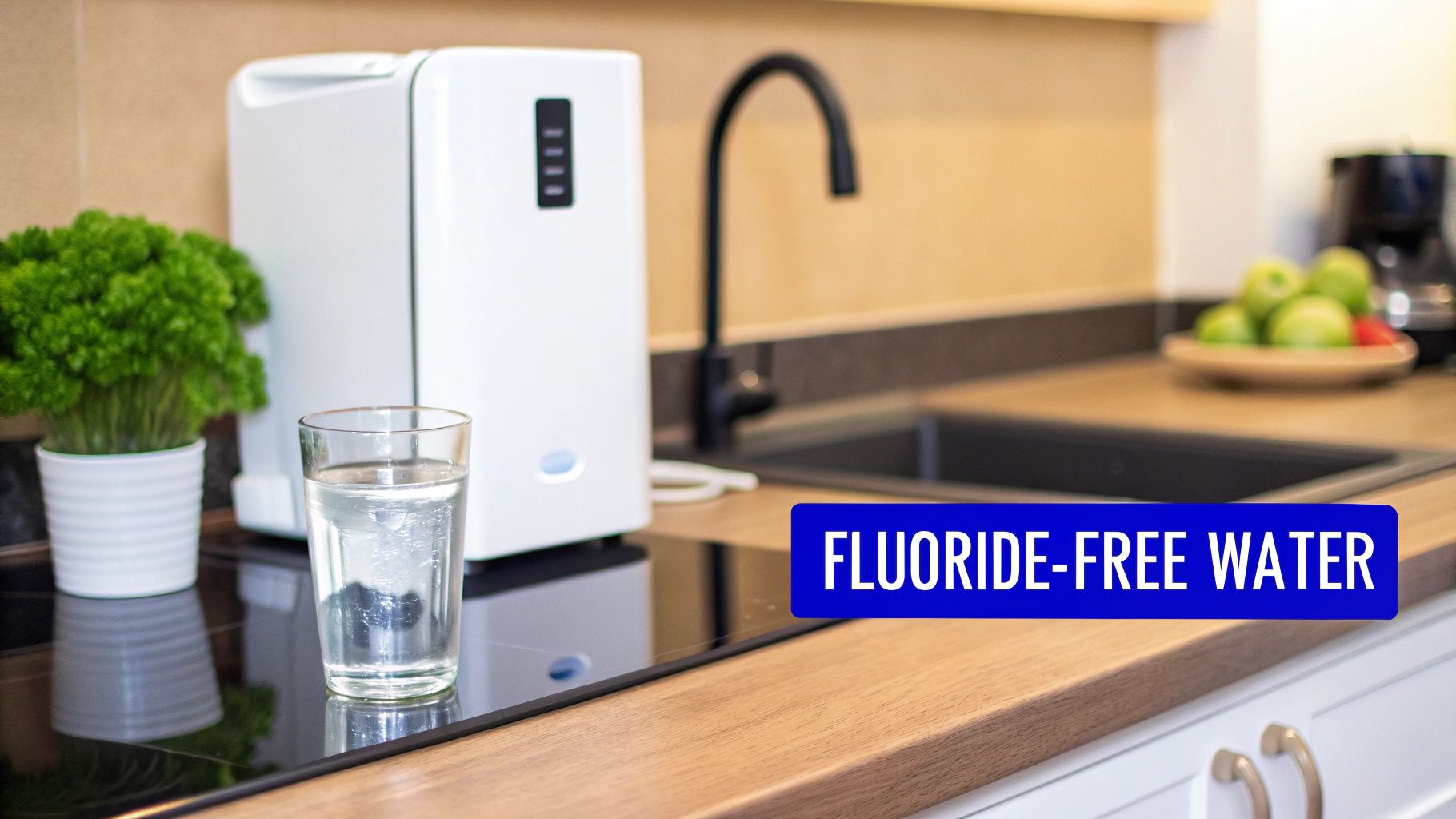
You’re standing in the grocery aisle, staring at a bottle of water that costs more than your morning latte. It claims to be “purified,” “spring,” or “alkaline,” but what you really want is something simpler: water without fluoride. Maybe you’ve read the studies, heard the debates, or just prefer to control what goes into your body. Either way, the quest for fluoride-free water is more achievable than you think—and it doesn’t require a chemistry degree.
The Fluorine Frenzy: What’s the Big Deal?
First, a quick reality check: fluoride is a mineral added to many public water supplies to prevent tooth decay. It’s a public health success story, but not everyone is on board. Some folks worry about overexposure, potential health risks, or simply dislike the taste. Whatever your reason, you’re in good company—think cool celebrities like Gwyneth Paltrow or wellness influencers who swear by pristine H₂O. The key is knowing your options, and spoiler alert: you don’t need to live off expensive plastic bottles forever.
Option 1: The Filtration Hack You Haven’t Tried
Your kitchen sink is the VIP section of your home. Reverse osmosis (RO) systems are the gold standard for removing fluoride—they trap up to 95% of it. They’re sleek, under-counter units that cost around $200–$500, plus installation. Think of it as a water spa for your tap: it strips out minerals, fluoride, and even heavy metals. The trade-off? You’ll need to remineralize the water afterward (a pinch of sea salt or a trace mineral drops work wonders) or it tastes flat.
Must Read
For a budget-friendly twist, try a countertop distiller. It boils water and collects the steam, leaving fluoride behind like a bad date. It’s slow—about four hours for a gallon—but perfect for your morning coffee or tea. Fun fact: distilled water is what astronauts drink in space. So, you’re basically sipping like an astronaut, minus the zero-gravity hair.
Beware the Brita Trap
Standard pitcher filters, like Brita or Pur, are great for chlorine and taste, but they don’t remove fluoride. They’re like putting a Band-Aid on a tattoo. Check the fine print: only “activated alumina” or “reverse osmosis” filters specifically list fluoride removal. Don’t get duped by fancy marketing—read the box like it’s a legal document. Your taste buds will thank you later.
Option 2: The Natural Spring Aesthetic
Imagine driving to a nearby spring with six empty glass bottles in your trunk. It’s not just for hippies or homesteaders—natural spring water is a cult favorite among wellness circles. Apps like FindaSpring.com or SpringWater.org map out thousands of public springs across the U.S. where you can fill up for free. The water is naturally low in fluoride and packed with minerals. It’s a literal road trip to hydration, and the views are usually pretty good.
 How to Remove Fluoride from Water: 4 Effective Methods
But here’s the catch: test the water first. Not all springs are created equal, and some might have high bacteria levels. Pack a portable water tester (about $20 on Amazon) to check pH and contaminants. Think of it as a mini science experiment—you’re the mad scientist of your own hydration. Plus, you’ll look incredibly sophisticated at dinner parties when you say, “I got this from a spring in the Catskills.”
Option 3: The DIY Rainwater Barreling (Yes, You)
Rainwater is naturally fluoride-free—it’s the original distilled water. Collecting it is easier than you think: set up a gutter system that feeds into a food-grade barrel. Southern states love this for gardening, but you can drink it, too, with a simple filter for debris and bacteria. Cultural nod: Roman emperors collected rainwater for their baths, and you can, too, minus the toga.
Word to the wise: rainwater might contain pollutants like bird droppings or air toxins in urban areas. Use a UV filter or boil it first for safety. It’s a weekend project that feels rebellious—imagine telling your neighbor, “I’m basically a human sponge for nature’s tears.” They’ll either laugh or ask for a sip.
Option 4: The Smart Splurge—Bottled Water with a Conscience
If you’re not ready to DIY, buy bottled water that specifically says “fluoride-free” on the label. Brands like Mountain Valley Spring or Fiji are low-fluoride choices, but always check the analysis report online. Be prepared to pay a premium—about $2–$5 per gallon. To offset the cost and plastic waste, invest in a reusable glass bottle (like a fancy S’well or a thrifted vintage carafe). Every time you refill, imagine you’re depositing coins in a hydration savings account.
 5 Best Fluoride Water Filters in Australia 2025
Fun fact: In some European countries, like Italy, tap water is often fluoride-free by default because they add it to salt instead. So, you’re basically living like a Tuscan nonna when you avoid fluoride. Grazie, signora.
The Dirty Truth About Everyday Life
Here’s the kicker: you don’t have to go full survival mode. You can mix and match methods. Use a countertop distiller for drinking water, a Brita for cooking, and spring trips for special occasions. It’s like a hydration wardrobe—different outfits for different moods. Your palate will adapt, and you’ll start tasting the subtle differences in water, like a sommelier for H₂O.
And remember this: no water is perfect. Even fluoride-free water can have other minerals or contaminants. The goal isn’t obsession—it’s intention. You’re taking control of one small, delicious aspect of your day. When you sip that crisp, clean glass, it’s a quiet rebellion against the ordinary. That’s a pretty good reason to raise your glass—fluoride-free or not.
Final Reflection: Sip Smarter, Not Harder
The next time you fill your reusable bottle at a countertop distiller or a hidden spring, pause for a second. That water is a tiny act of autonomy—a choice to align your environment with your values. It’s not about fear or fanaticism; it’s about curiosity. You’re asking, “What’s in this, and why?” And that question, applied gently to your daily life, is the most refreshing thing of all. Stay hydrated, stay curious. Your future self—and your teeth—might just thank you, even if you part ways with fluoride.
