How To Test Home Water Quality

So, you’ve been drinking from your tap like it’s a magical fountain of youth, but lately, it tastes like a politician’s promise—vague and slightly metallic. Welcome to the wil...
So, you’ve been drinking from your tap like it’s a magical fountain of youth, but lately, it tastes like a politician’s promise—vague and slightly metallic. Welcome to the wild world of home water quality testing, where your kitchen sink becomes a crime scene investigation. Don’t panic. We’re going to sniff, dip, and judge your water like a snooty sommelier, but with fewer pretentious words and more jokes.
Step One: The Eyeball Test (AKA “Is That a Ghost?”)
First, pour a glass of your tap water and hold it up to the light. If it looks crystal clear, you’re already winning, but don’t pop the champagne yet. If you see floaties that look like tiny, sad bits of snow, that’s usually just calcium, which is harmless but feels like drinking crushed-up chalk. However, if your water has a greenish tint, you might have copper pipes dissolving into your morning coffee—which sounds fancy but is actually a plumbing nightmare.
A friend once showed me water that looked like weak iced tea. I told her she had a “shady” water supply. Turns out, it was tannins from decomposing leaves in the groundwater. The good news? It’s safe. The bad news? Your water is basically leaf tea without the caffeine.
Must Read
Step Two: The Nose Knows (And It Might Gag)
Give that glass a good sniff. If it smells like a swimming pool on a hot summer day, that’s chlorine—municipal water’s favorite disinfectant, which kills bacteria but also makes you feel like you’re showering in a public urinal. If it smells like rotten eggs, congratulations: you have sulfur, which is harmless but will make every glass of water you drink taste like a dragon’s belch.
Pro tip: if the smell reminds you of a damp basement or a rubber hose, your water is loaded with organic compounds that might not kill you but will make you reconsider that second glass. I once had water that smelled exactly like my ex’s cologne—needless to say, I switched to bottled water for emotional reasons.
Step Three: The Taste Test (Aka “Dare You to Try It”)
Now, take a tiny sip. If it tastes like a salt lick, you’ve got high levels of dissolved solids, usually from road salt or natural mineral deposits. If it tastes like metal, you’re basically drinking slowly from a rusty pipe—low pH is eating your plumbing. This is bad because your water is a little too aggressive, like a tiny, acidic ninja.
 Water Quality Test Best at James Fontanez blog
Surprising fact: water that tastes “earthy” or “fishy” means algae blooms have thrown a party in your reservoir. It’s not deadly, but it’s like drinking from a pond that’s had one too many margaritas. The EPA actually allows a certain level of these compounds, so you’re basically drinking with government permission.
Step Four: The Chemistry Set (For the Nerd in You)
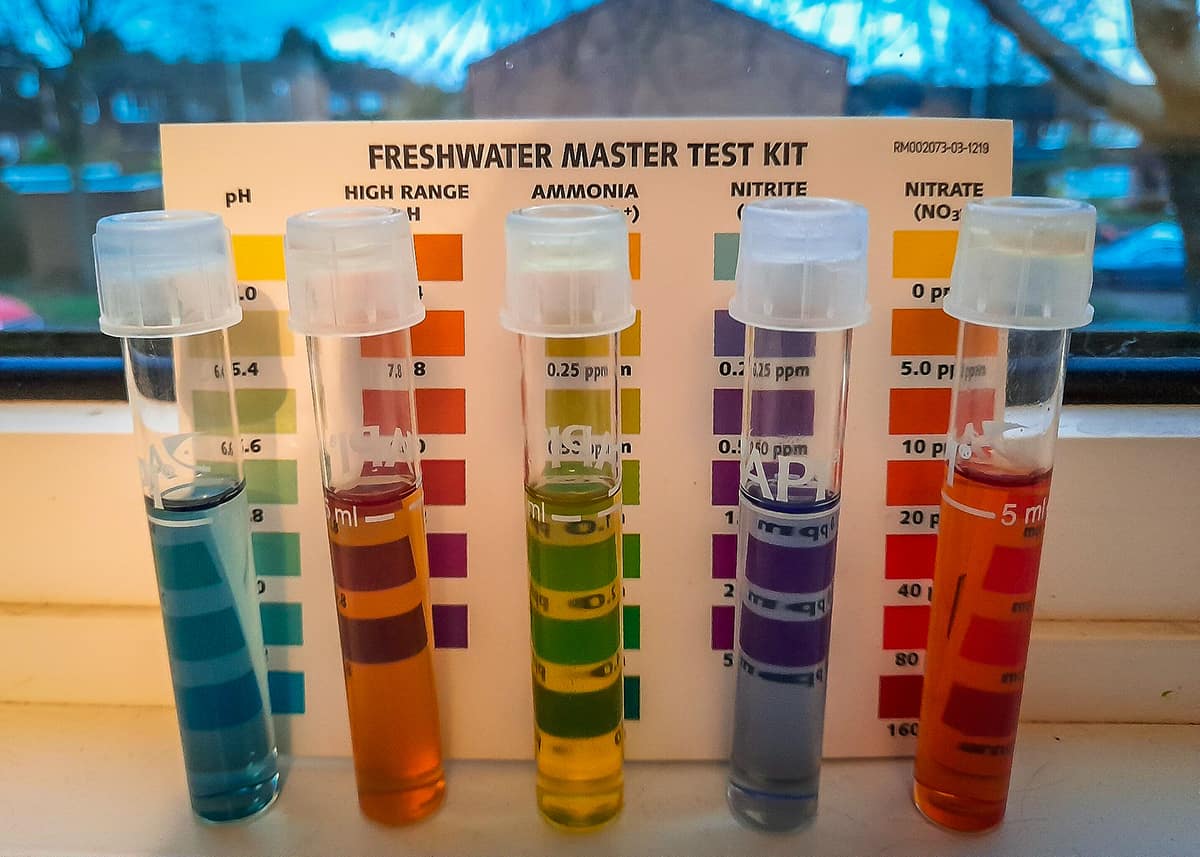
If you want to get official, buy a home test kit from a hardware store. They come with little droppers and color charts that make you feel like a mad scientist. These kits test for pH, hardness, and the scary stuff like lead and nitrates. Just follow the instructions—do not, I repeat, do not, drink the test solution. It’s not a fancy Jell-O shot.
A pH below 6.5 means your water is so acidic it could dissolve a penny. Above 8.5? It’s so hard it could double as cement. Hard water isn’t dangerous, but it’ll wreck your hair and make your soap cry. Think of it as water with attitude.
 How to Test Water Quality at Home: Your Complete Guide – World Water
Step Five: The Lab Coat Option (Or “Let Someone Else Do It”)
If you’re lazy or just really want to feel important, send a sample to a certified lab. They’ll mail you a sterile bottle, you fill it up, and then you wait like a kid on Christmas Eve for a report that lists every chemical in your water. Prices range from thirty bucks to three hundred, but the results are worth it if you suspect something sinister, like lead from old pipes or arsenic from your neighbor’s ancient pesticide hobby.
One guy I know got his results back and discovered his water had uranium—naturally occurring! Turns out, he was taking “uranium shots” every morning. The water was safe (barely), but he started calling his kitchen “Chernobyl Café.”
The Grand Summary: Should You Be Scared?
Here’s the shocking truth: 85% of U.S. tap water is perfectly safe, but that remaining 15% can taste like a swimming pool, a pond, or a chemistry lab. The easiest fix? A $25 activated charcoal filter will fix most taste and odor issues, and a $100 reverse osmosis system will make you feel like a water king. But if your water smells like a dying pet and tastes like a battery, call a plumber—and maybe a therapist.
Remember: water that’s clear and tasteless is boring but safe. Water that’s exciting is usually a warning. So go test your tap, and if you find something weird, just tell your friends you’re drinking “artisanal, mineral-rich hydration”—it’s what all the influencers do.
