How To Change A Solenoid Valve

There’s a quiet poetry to the machines that keep our lives humming. The solenoid valve—a small, electromagnetic gatekeeper—is one of those unsung heroes. It controls the flow...

There’s a quiet poetry to the machines that keep our lives humming. The solenoid valve—a small, electromagnetic gatekeeper—is one of those unsung heroes. It controls the flow of air or water in everything from your washing machine to your irrigation system. When it fails, the silence or the sputter is a gentle reminder that even the most reliable things need a little love.
The First Step: Admitting You Have a Problem
You might not know it, but you’ve already met a solenoid. It’s that little cylindrical device with two wires, often clicking like a tiny metronome. When it stops clicking or leaks, your sprinklers run wild or your dishwasher refuses to drain.
Before you call a pro, know this: replacing a solenoid valve is a weekend project with a five-star reward. It’s cheaper than a takeout dinner and easier than assembling IKEA furniture. And you get to feel like a wizard of household physics.
Must Read
Tools of the Trade (No, You Don’t Need a Lab Coat)
First, gather your kit. You’ll need a new solenoid valve (matching the old one’s voltage and size), a screwdriver, pliers, and Teflon tape. A bowl or towel is smart too—water has a sense of humor about escape plans.
If you’re feeling fancy, grab a multimeter to test continuity. But honestly, if the valve is frozen shut or hissing, you won’t need one. Fun fact: The solenoid was invented in 1823 by French physicist André-Marie Ampère. He’d probably be thrilled we use them to water petunias.
Power Down, Head Up
Safety first, always. Shut off the power to the valve—flip the breaker or unplug the system. Then turn off the water or air supply. This is not a movie moment; you don’t want a geyser in your living room.
Wait a moment for any stored pressure to release. If you hear a gentle sigh, that’s the system saying, “Thank you, I needed that.” Patience here prevents a soaking.
The Surgery: Removing the Old Valve
Locate the valve. It’s usually inline with a pipe, attached by two screws, a nut, or a clip. Use your screwdriver or pliers to gently disconnect the wires—take a photo first so you remember which wire went where (your future self will kiss your brain).
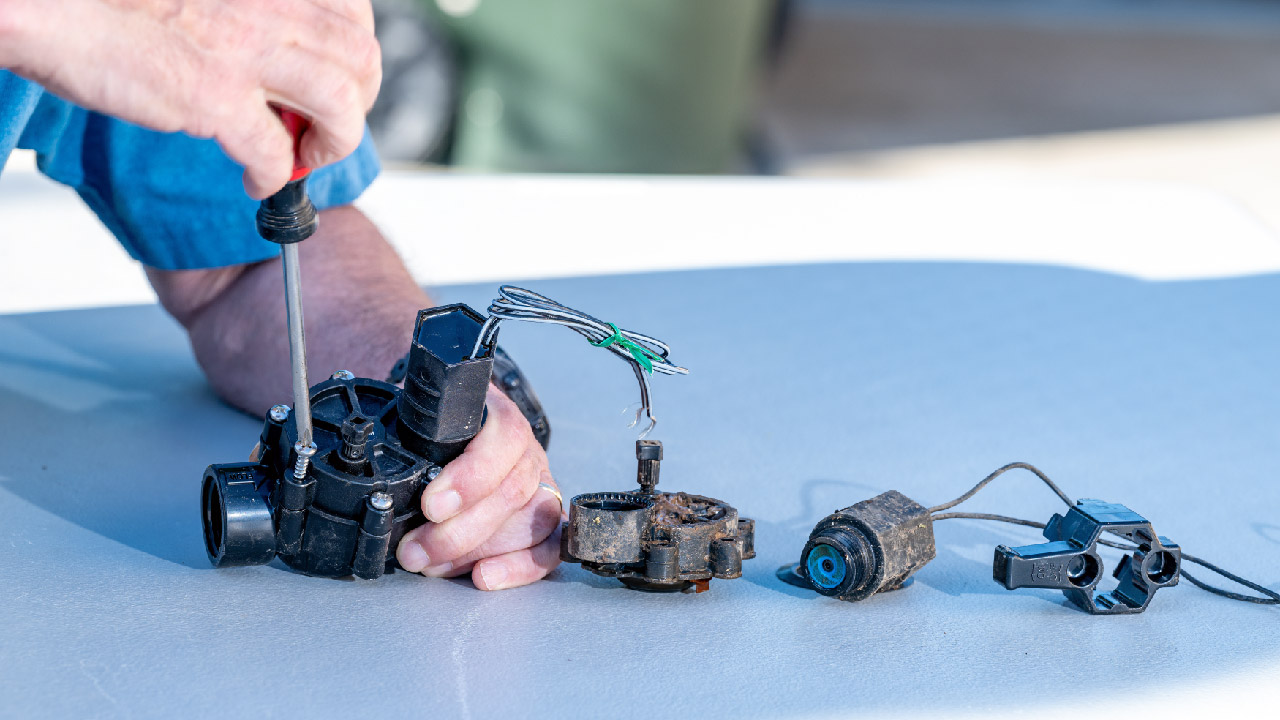 What Is A Solenoid Diy Projects
Now, loosen the fittings. If they’re stubborn, a little WD-40 is your best friend. Sing a mellow tune as you work; studies show a calm installer makes fewer mistakes. Unthread the old valve and set it aside with the respect a retired soldier deserves.
Install the New Sheriff in Town
Wrap a few layers of Teflon tape around the threads of your new valve. This is the origami of plumbing—too little, you’ll leak; too much, you’ll struggle to tighten. Screw it in hand-tight, then give it a gentle quarter-turn with a wrench. Overtightening is the enemy.
Reconnect the wires exactly as your photo shows. Push connectors until they click. Pop culture check: You’re basically doing what MacGyver did, but with a manual and a dry floor. Feel powerful yet?
Testing the Waters (Literally)
Turn the power and water back on. Watch the valve as it clicks open—or doesn’t. Wait thirty seconds. If it opens and closes smoothly, you’ve won. A tiny drip? Tighten the fittings a hair further.
If it still misbehaves, check the voltage at the coil. Irony alert: Most solenoid failures are actually bad wiring or a fried controller, not the valve itself. You might become the neighborhood’s unofficial solenoid whisperer by lunch.
Practical Tips from a Slightly Messy Veteran
Keep a bucket handy. Even after draining, a few rogue teaspoons of water will find your favorite rug. Use a vibration-absorbing pad if the valve is near a wall—soltenoids hum, and that hum can travel faster than gossip.
 How To Replace Solenoid Valve On Electric Shower at Alyssa Chong blog
Fun little fact: The “click” you hear is a metal plunger snapping into a magnetic field. It’s basically a tiny, obedient lightning bolt. No special magic, just physics wearing work boots.
When to Call in the Cavalry
If you see rust, corrosion, or a cracked valve body, you may need to replace the entire manifold assembly. That’s a bigger job—think season two of a Netflix binge, not a single episode. Don’t be a hero; some battles are for plumbers.
Also, if your system uses high-pressure steam or hazardous fluid, step away. That’s a job for people with certifications and insurance. No shame in knowing your limits. Knowing your limits is a superpower.
A Reflection for Your Daily Life
Changing a solenoid valve is oddly meditative. It’s a small act of repair in a world that often swaps, tosses, and replaces. You take something broken, learn its language, and coax it back to life.
The next time you hear that satisfying click of a solenoid doing its thing—on a dishwasher, a sprinkler, or that mysterious box in the basement—remember: you now know its secret. Life is full of small, hidden mechanisms that keep the flow going. Maintaining them is a quiet form of love for the everyday.
Go ahead. Fix that valve. Then pour yourself a drink, put your feet up, and listen to the gentle rhythm of a world that works because you cared enough to learn one small trick.
