How To Select A Water Softener

Let’s be honest: water softeners aren’t exactly the stuff of dinner party conversations. But if you’ve ever stepped out of the shower feeling like you need a second rinse, you...
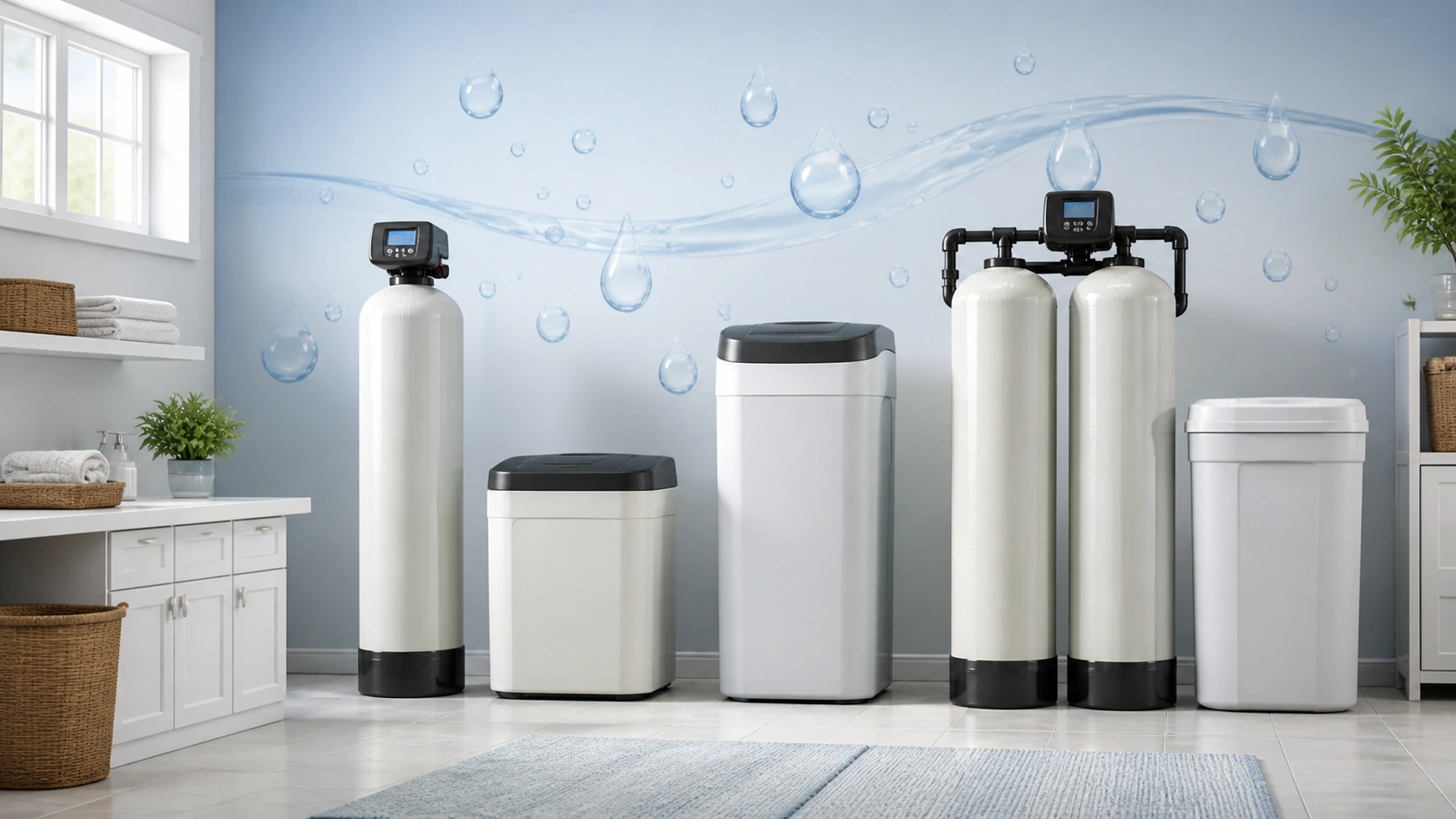
Let’s be honest: water softeners aren’t exactly the stuff of dinner party conversations. But if you’ve ever stepped out of the shower feeling like you need a second rinse, you know what I’m talking about. That’s hard water—and it’s the silent villain in your pipes, your laundry, and your morning coffee.
So, how do you pick the right water softener? It’s a lot like choosing a good pair of jeans: you want a perfect fit, not just what’s on sale. Let’s walk through it together, without any jargon headaches.
First, Let’s Talk About Why You Even Care
Hard water is basically water with too much calcium and magnesium—like a mineral smoothie you never ordered. It leaves white scale on your faucets, makes soap refuse to lather, and turns your glassware into a foggy mess.
Must Read
But here’s the real kicker: that same scale is slowly murdering your water heater and coffee maker. Imagine paying for a gym membership you never use—that’s what hard water does to your appliances. A softener saves you money and sanity.
The Size Matters (No, Really)
Water softeners come in different sizes, and picking the wrong one is like buying shoes two sizes too small. You’ll hear terms like “grain capacity”—it’s just the amount of hardness the unit can remove before it needs to regenerate (clean itself).
To find your size, count the people in your house and your daily water use. A family of four with a sprinkler-happy kid? You’ll need a larger unit, around 40,000 to 48,000 grains. A couple in a condo? A smaller 24,000-grain unit will do just fine.
My neighbor once bought a tiny softener for his big family. It regenerated every night at 3 AM, sounding like a freight train. Don’t be that neighbor. Measure twice, buy once.
Salt or No Salt? That Is the Question
Most softeners use salt (sodium chloride) to swap the hardness minerals for soft ones. It’s the classic, reliable method—like a cast-iron skillet. But if you’re on a low-sodium diet, check for a potassium chloride option instead. It’s a bit pricier, but your heart will thank you.
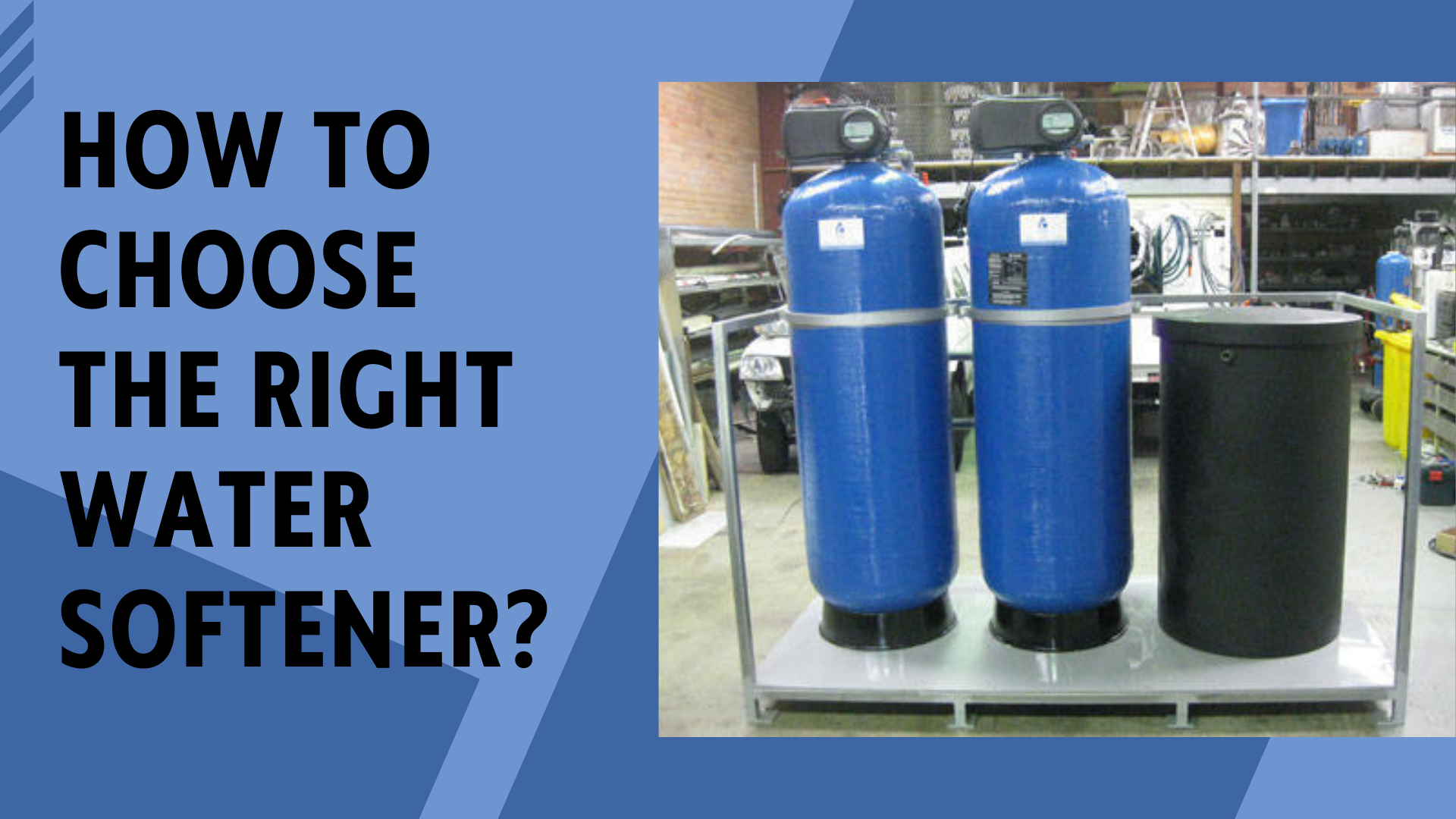 How to Choose the Right Water Softener? (Fulfill Needs) - CharlieTrotters
You’ll also see “salt-free” systems, which aren’t really softeners—they condition water by crystallizing minerals so they don’t stick. These are gentler on the environment but won’t give you that slippery, silky shower feel. Pick salt if you want soft water; pick salt-free if you just want to fight scale.
The Secret Feature: Metered vs. Timer
Here’s where most people get tripped up. A timer system regenerates on a schedule, whether you’ve used water or not. It’s like changing your car’s oil every 3,000 miles even if you barely drove—wasteful and inefficient.
A metered system regenerates only when you’ve actually used enough water. It’s the smart choice, like a thermostat that learns your habits. Yes, it costs a little more upfront, but it’ll save you on salt and water over time. Go metered—your wallet will high-five you.
Don’t Forget the Iron and the pH
Hard water can hide other problems. If you have iron in your water (rust stains on sinks), you’ll need a softener with a special filter. Otherwise, the iron will clog the resin and turn your nice white laundry into a sad pumpkin shade.
Similarly, if your water’s pH is wacky—like a sour lemon—your softener might need a neutralizer before it. A simple water test kit from the hardware store (or a local lab) will reveal all these secrets. Think of it as a blood test for your house.
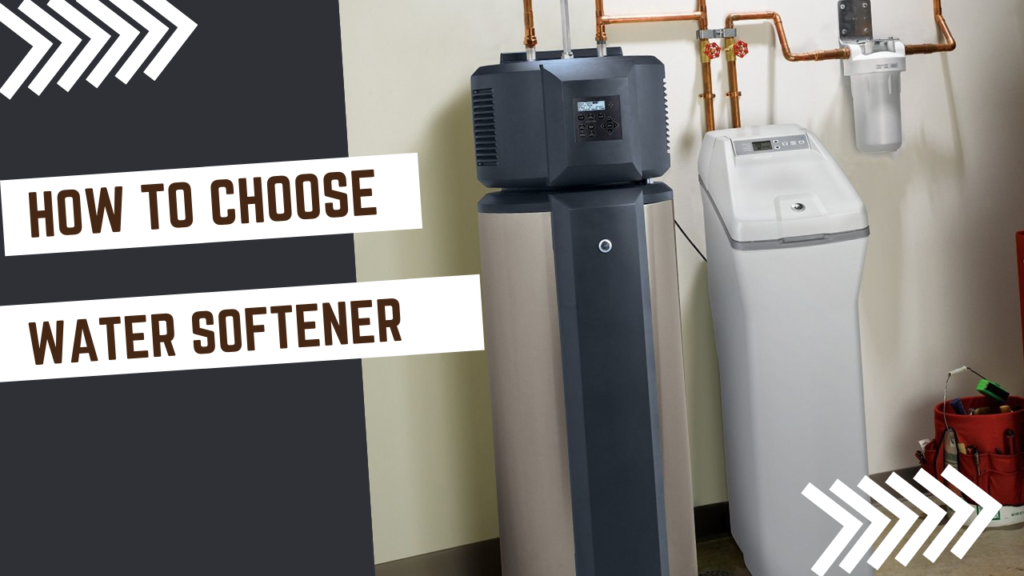 How to Choose a Water Softener for Regular Use? (Useful Tips & Guide
The Little Details That Make a Big Difference
Check the flow rate—how fast water moves through the unit. A standard home needs about 8-10 gallons per minute. If you have a large soaking tub or run two showers at once, you’ll want a higher flow rate so you’re not yelling, “Is anyone using the water?!”
Also, look at the bypass valve. It lets you shut off the softener for maintenance without cutting water to the whole house. It’s a small detail, but when your softener breaks on a holiday weekend, you’ll weep with gratitude for that valve.
Installation and Upkeep (Yes, You Have to Feed It)
You can install a softener yourself if you’re handy with a wrench and don’t mind reading instructions. Most people, though, hire a plumber. That’s fine—just budget an extra $200–$400 for installation. It’s a one-time cost for decades of squeaky-clean hair.
As for upkeep, you’ll need to add salt every month or two. It’s like feeding a low-maintenance pet. Some models have a low-salt indicator light so you don’t forget. I keep a bag of salt in my garage and set a reminder on my phone. Easy peasy.
The Bottom Line (With a Smile)
You don’t need a PhD in plumbing to pick a water softener. Start with a water test, know your household size, and choose a metered, salt-based unit with enough capacity. That’s the sweet spot.
And remember: soft water means softer skin, brighter dishes, and a happier coffee maker. It’s a small investment that pays you back in cozy showers and fewer repairs. So go ahead—treat your home to that silky smooth flow. Your faucets will thank you, and so will your morning brew.
