How To Decrease Water Hardness

Have you ever noticed that white, crusty buildup on your faucet and wondered what it is? Or maybe your laundry feels stiff and scratchy, no matter how much fabric softener you...
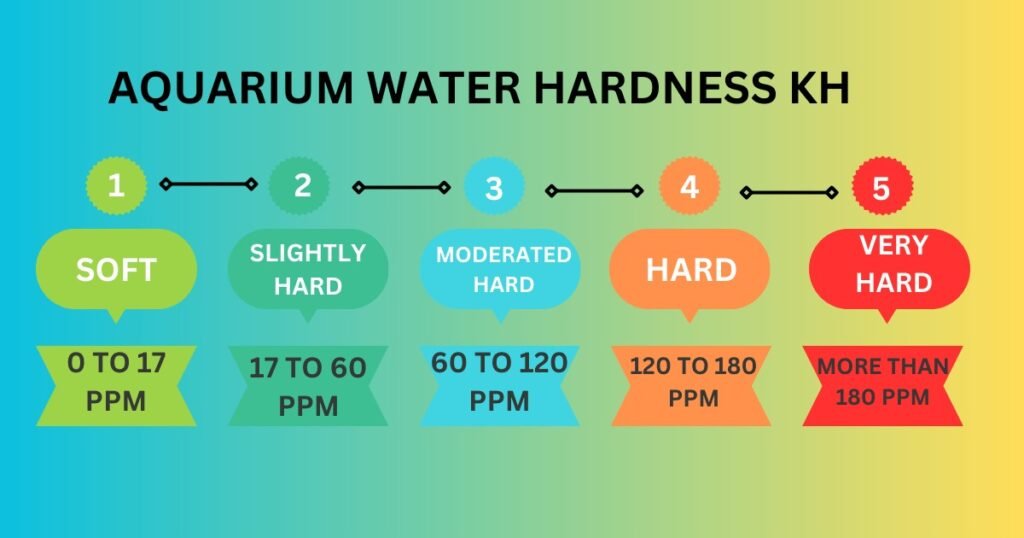
Have you ever noticed that white, crusty buildup on your faucet and wondered what it is? Or maybe your laundry feels stiff and scratchy, no matter how much fabric softener you use. That, my friend, is the work of hard water, and it’s more common than you might think.
Hard water is basically water that’s packed with extra minerals, mostly calcium and magnesium. It’s not dangerous to drink, but it can be a real nuisance for your pipes, your appliances, and your skin. So, what can you do about it? Let’s explore a few simple, chill ways to decrease water hardness.
First, Let’s Chat About Boiling
You know how you boil pasta and the pot gets a film on the inside? That’s a sign of temporary hardness. Boiling water for a few minutes can actually make those calcium minerals settle out.
Must Read
It’s not a perfect solution, but it’s super easy and costs nothing. Just let the water cool, and you’ll see a white sediment at the bottom—pour that off, and you’re left with softer water for your tea or coffee. Think of it as a tiny science experiment in your kitchen, minus the lab coat.
The DIY Power of Baking Soda and Vinegar
Got a stubborn limescale ring in your toilet or kettle? Vinegar is your new best friend. The acetic acid in vinegar reacts with the calcium carbonate (that crusty stuff) and breaks it down like magic.
Just pour some white vinegar into a bowl, soak a cloth, and wrap it around your faucet for an hour. Boom—the scale wipes off easily. For laundry, adding half a cup of baking soda to your wash can help neutralize the minerals and make your clothes feel softer. It’s like giving your washing machine a gentle spa day.
Enter the Water Softener Systems
If you’re dealing with really hard water—like, the kind that leaves spots on your glasses after washing—you might want to look into a whole-house water softener. These are the heavy lifters of the water world.
 How To Remove Hardness Of Water – FLOTAA
They work by using a process called ion exchange, where calcium and magnesium are swapped out for sodium or potassium. It sounds technical, but it’s basically a fancy filter that makes your water feel silky and smooth. Your hair will thank you.
Installation can cost a bit upfront, but think of it as a subscription to better coffee, shinier dishes, and softer skin. Plus, it protects your pipes from that crusty buildup, which can save you money on plumbing repairs down the road. It’s like an insurance policy for your home’s plumbing, but way cooler.
Don’t Forget the Portable Options
Not ready to commit to a big system? No problem. There are countertop water softeners and shower head filters that are easy to install. These little gadgets use cartridges to capture minerals before the water touches you.
They’re perfect for renters or anyone who just wants to try out softer water without the drama. It’s like dipping your toes into the soft water pool without diving in headfirst. You’ll notice your soap lathers better, and your skin won’t feel as tight after a shower.
 How Reduce Water Hardness at Kaitlyn Fitzhardinge blog
The Magnetic Approach (Sounds Fake, Right?)
You might have heard of magnetic water softeners—devices that claim to alter the structure of minerals using magnets. The science is a bit fuzzy here, and many experts are skeptical. But some folks swear by them, saying their pipes have less scale buildup.
If you’re curious, it’s a low-risk, low-cost experiment. Worst case? You’ve got a cool-looking magnet on your pipe. Best case? You’ve got slightly softer water and a conversation starter at your next dinner party.
Why Is This Cool Anyway?
Softer water isn’t just about cleaner dishes—it’s about feeling better. Your skin won’t get that film of soap scum, your hair will feel less frizzy, and your appliances will live longer. It’s like giving your home a gentle upgrade without a big renovation.
Plus, it’s fascinating. Think about it: you’re literally changing the chemistry of your tap water to make it work better for you. That’s a bit like being a wizard of your own kitchen, isn’t it?
At the end of the day, you don’t need to turn this into a chore. Start small—try the vinegar trick, or pick up a shower filter. See how it feels. Your water might just become your new favorite conversation topic. Or at least, you’ll have cleaner glasses and happier plants. And honestly? That’s pretty cool.
