How To Find Out Water Supplier

So, you’re staring at a faucet, wondering who exactly makes that magic liquid appear. Maybe you just moved. Maybe your bill went missing. Or maybe you’re just nosy (no judgmen...
So, you’re staring at a faucet, wondering who exactly makes that magic liquid appear. Maybe you just moved. Maybe your bill went missing. Or maybe you’re just nosy (no judgment here). Either way, you need to find your water supplier. Let’s get this mystery solved together, shall we?
First, check your utility bill
Yeah, I know. Boring. But that piece of paper (or PDF) is basically a treasure map. Look for a company name, a logo, or a website. It’s usually plastered right at the top, like a proud peacock.
If the bill says something like “Acme Water Services,” bingo. That’s your guy. If it’s just a generic city name, you’re likely on public water. Still confused? Don’t panic. We have more tricks.
Must Read
What about your house title or lease?
If you own the home, your closing papers should mention the water provider. Dig through that stack of papers you swore you’d organize. I know, it’s like archaeology—but for plumbing.
Renters, check your lease. It often lists who handles water, or at least who to pay. But here’s the kicker: some landlords include water in rent. That means you might not even have a separate supplier. Fancy, right?
Call your local city hall (don’t groan yet)
Yes, you have to talk to a human. But city hall knows everything. They keep a list of water providers, both public and private. Call the water department or public works office. They’re usually friendly, I swear.
Say: “Hi, I’m trying to figure out who supplies water to 123 Main Street.” They’ll either tell you outright or transfer you to the right person. Easy peasy.
Use the internet like a detective
Google is your best friend here. Type in: “water supplier for [your address].” You might get an instant result from a government site. Or try the Environmental Protection Agency (EPA)’s local tools. They have a “Find Your Local Drinking Water Source” feature.
Another pro tip: search for “municipal water [your city].” That often spits out the official name. And if you’re rural? You might be on a well. That means you’re the supplier. Congrats, you’re the CEO of your own water!
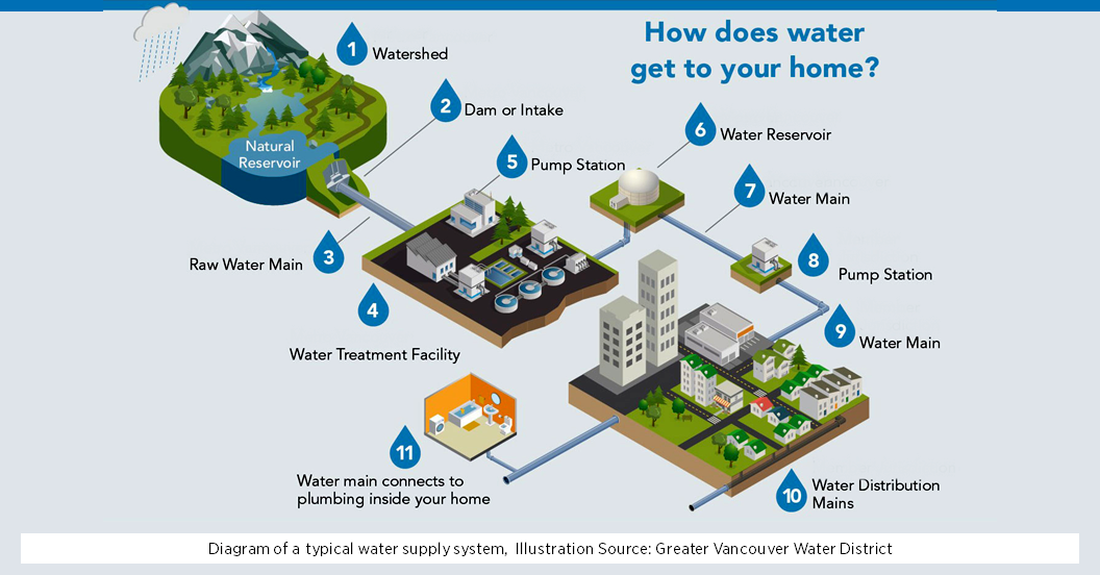 Water Distribution Network at Gloria Crumley blog
Look at your neighbor’s lawn (not creepy, I promise)
Water trucks or company vans sometimes park nearby. Or you might spot a meter box with a logo on it. Peek at the street—small blue signs often say “Water Valve” with a phone number. That’s a clue.
Better yet, knock on a neighbor’s door. Say, “Hey, sorry to bug you—who handles your water?” They’ll know. They’ve paid their bill, after all. Plus, you might make a friend. Or at least get a cookie.
What if you’re on private well water?
No supplier at all! You own the whole show. But you still need to know who dug that well or who tests your water. Check your property survey or call a local well company. They can guide you.
If you’re buying a home with a well, ask the realtor for the well log. That’s your birth certificate for water. Trust me, you want it.
Still stuck? Try reverse phone lookup
Got a weird number on a leaky pipe sticker? Call it. It’s probably your water company or a plumber. Either way, they’ll either help or laugh. And hey, you might get a discount on a service call.
Another idea: look at your mail. Any letters from “Water Department” or “Aqua Something”? Don’t throw them away! They’re basically love letters from your supplier.
 Switching Your Water Supplier for UK Businesses | H2O
The 911 of water supply info
If all else fails, call your county’s health department or building inspector. They track water systems for safety. They’re like water librarians, but with more paperwork.
Tell them your address. They’ll probably pull up a map and say, “Ah, you’re served by So-and-So Water Company.” Then you can finally sleep at night.
Why does this matter, anyway?
Knowing your water supplier isn’t just trivia for cocktail parties. It’s your lifeline. You need them for emergency shut-offs, billing, or when your water tastes weird. Plus, you can call them to complain about low pressure (we’ve all been there).
Think of it this way: you wouldn’t date someone without knowing their name, right? Same deal with your water. It’s a relationship. Nurture it. Or at least bill it.
One last, slightly ridiculous, tip
Check your toilet tank. No, really. Some water suppliers stamp their logo on the inside of toilets or tanks. It’s weird, but true. If you see a little emblem, you’ve found your match.
Alternatively, look at your water meter—the one in the ground or basement. There’s often a serial number and a company name. And if you see a little plastic tag? That’s basically a business card from your supplier. Handy, right?
So go forth, water detective. Find that supplier, pay that bill, and take a victory sip from the tap. You earned it. Cheers!
