Does Hot Water Cause Dandruff

Have you ever stood under a piping hot shower, letting the steam wash over you, only to notice later that your scalp feels a little… flakey? It’s a question that pops up in ba...

Have you ever stood under a piping hot shower, letting the steam wash over you, only to notice later that your scalp feels a little… flakey? It’s a question that pops up in bathroom mirrors everywhere: does hot water cause dandruff? Let’s dive into this steamy mystery with a relaxed, curious mind.
The Short Answer: It’s Complicated (But Cool)
Hot water itself doesn’t directly cause dandruff. Dandruff is usually linked to a yeast-like fungus called Malassezia, oily skin, or even dry scalp. But think of hot water as that over-enthusiastic friend who doesn’t mean harm but makes things worse.
Imagine your scalp is like a delicate garden. Hot water is like a blast of sun that feels amazing but can scorch the soil. It strips away natural oils, leaving your scalp dry and irritated—which can look like dandruff or make existing flakes worse.
Must Read
The Science Behind the Steam
Your skin has a protective barrier made of oils and cells. Hot water is a powerful degreaser—it dissolves those oils faster than a warm, gentle rinse would. That’s why your hands feel tight after washing dishes in hot water. Your scalp reacts the same way.
When your scalp loses moisture, it tries to compensate. It might produce more oil to protect itself, which feeds the Malassezia fungus. Or it might become dry and flaky. Either way, you get those white specks on your shoulders.
So, is hot water the villain? Not exactly. It’s more like an accidental accomplice. It doesn’t start the dandruff party, but it definitely hands out the invitation.
The “Goldilocks” Shower Rule
You don’t have to take ice-cold showers like a Viking warrior. Lukewarm water is your scalp’s best friend. Think of it as the perfect temperature for a gentle scalp massage, not a sauna session. Your skin will thank you, and the flakes might just chill out.
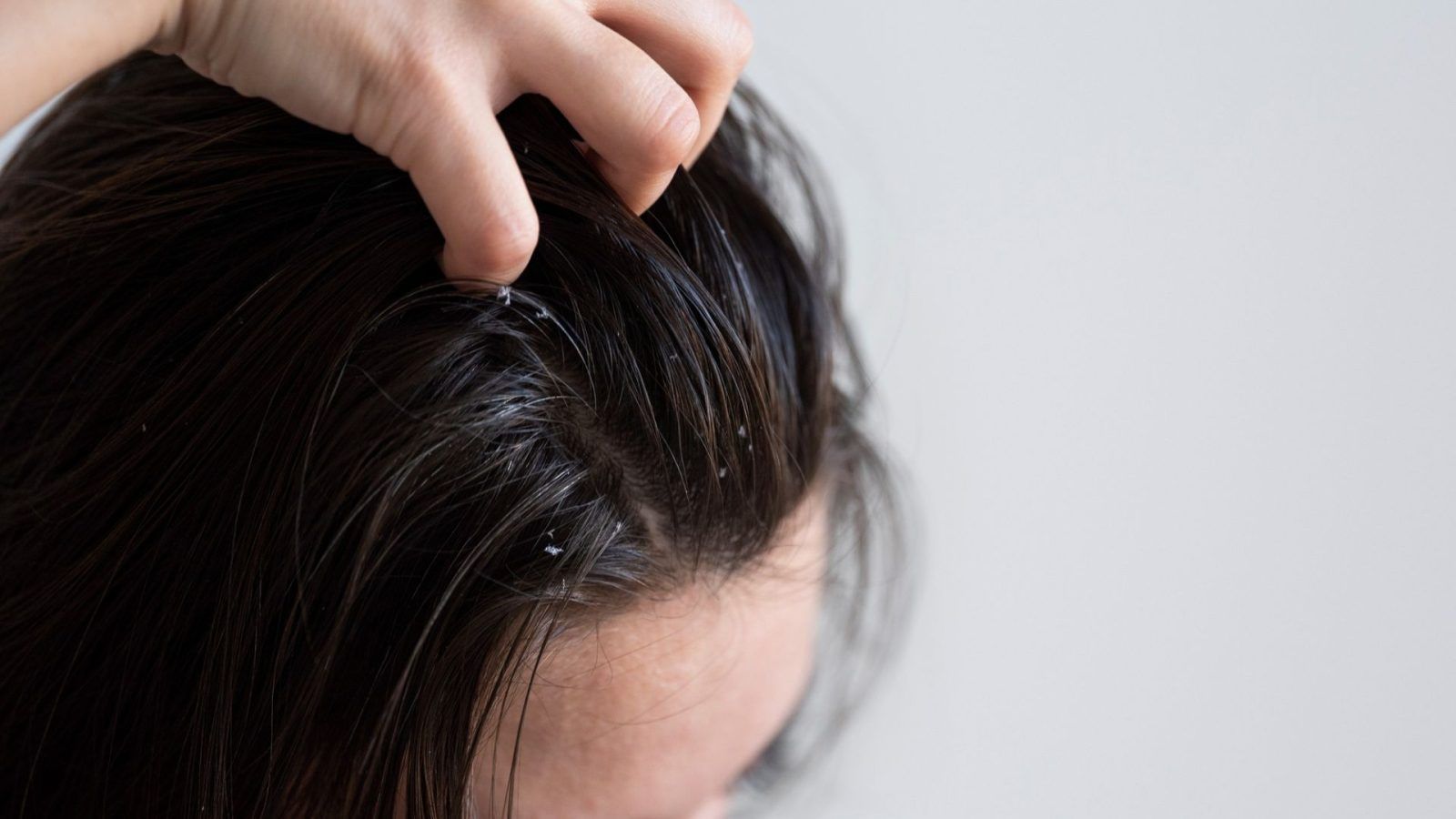 Does hot water bath cause dandruff? Expert tells us the disadvantages
Ever noticed how after a hot shower, your scalp feels tingly or even itchy? That’s a sign your skin barrier is getting stressed. Itchiness often leads to scratching, which can dislodge dead skin cells—hello, visible dandruff.
Here’s a fun comparison: imagine your scalp is a cozy leather jacket. Hot water is like using a hair dryer on high heat—it cracks the leather. Lukewarm water is like wiping it with a damp cloth—gentle and effective. You want to treat your head like a treasured jacket, not a worn-out boot.
Other Shower Habits That Make a Difference
It’s not just the water temperature. How you wash matters, too. Scrubbing aggressively with hot water is like using sandpaper on that leather jacket—it strips away everything, including healthy cells. Instead, use your fingertips to massage your scalp in gentle circles.
Also, think about your shampoo. If you use a harsh shampoo with hot water, you’re doubling down on the stripping effect. Try a gentle, moisturizing shampoo designed for sensitive scalps. And rinse with cool water at the end—it seals the cuticles and calms inflammation.
One more thing: don’t skip conditioner, even on your scalp. A lightweight conditioner can rehydrate the skin after a wash. It’s like giving your scalp a sip of water after a hot day.
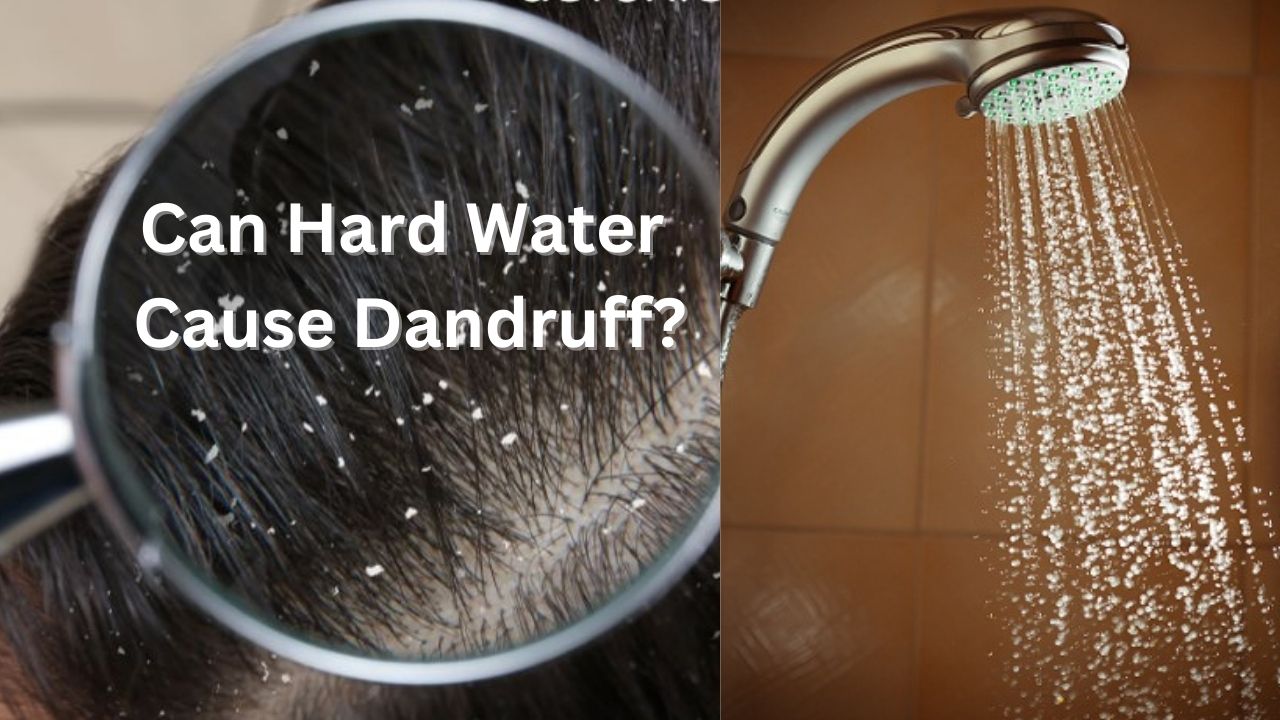 What Are Two Problems Caused By Hard Water at Allyson Byerly blog
What About Cold Water? Is It a Superpower?
Some people swear by cold rinses to reduce dandruff. Cold water constricts blood vessels, which can reduce inflammation and oil production. But it’s not a magic cure. You wouldn’t fix a leaky faucet by turning the temperature down—you’d fix the valve.
The real cool part? Cold water can make your hair shinier and your scalp calmer. But if your dandruff is caused by fungus or genetics, temperature alone won’t banish it. You’ll need a targeted dandruff shampoo with ingredients like zinc pyrithione or ketoconazole.
The Bottom Line
So, does hot water cause dandruff? No, but it can make it worse. Think of hot water as a trigger, not the root cause. If you’re dealing with flakes, start by turning down the heat a notch. Swap that scalding blast for a gentle lukewarm flow, and see if your scalp relaxes.
It’s a small change with big potential payoff. Your skin, your hair, and your shoulders will all be less flaky. And honestly, who doesn’t want a calmer scalp and a more peaceful morning shower? Give it a try. Your head will thank you.
Stay curious, and keep exploring the little mysteries of your body—they’re usually more interesting than scary. Now go enjoy a perfectly temperate rinse. 🌊
