Why Does My Water Look Cloudy

You’re standing at the sink, glass in hand, and—wait a second—your water looks like a tiny, miniature snow globe. It’s cloudy! Before you panic and call a plumber, let’s take...
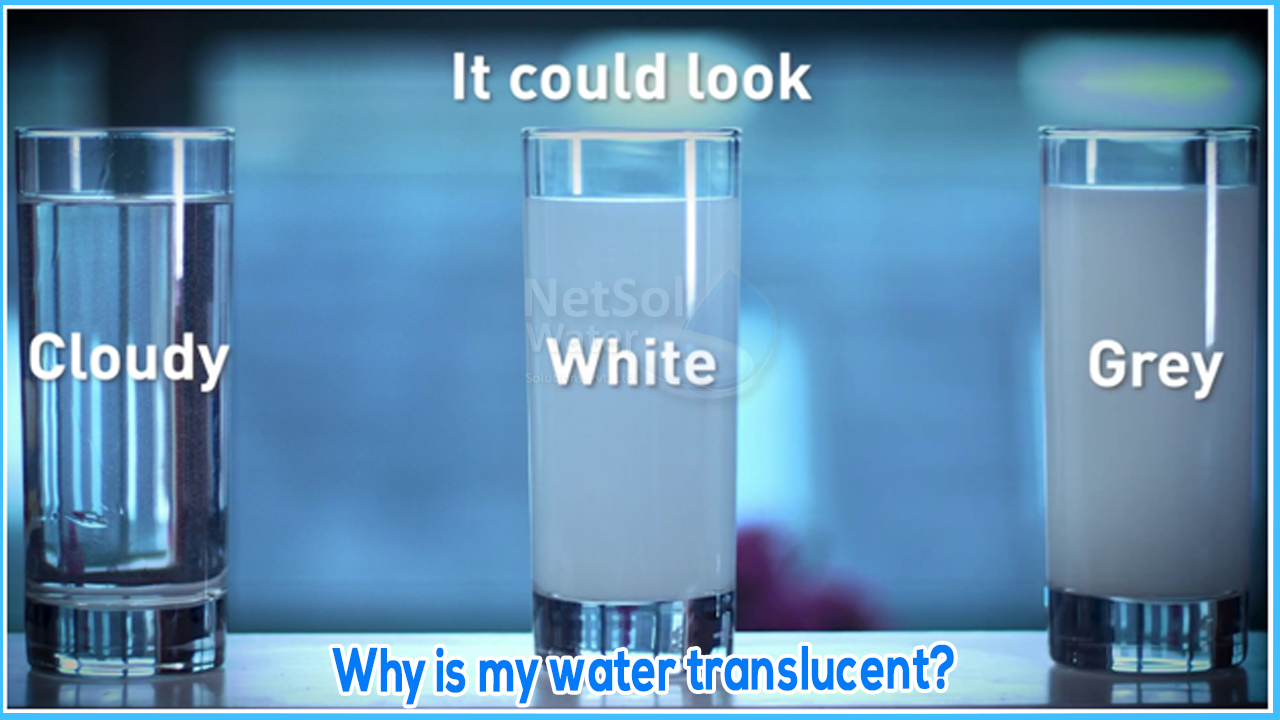
You’re standing at the sink, glass in hand, and—wait a second—your water looks like a tiny, miniature snow globe. It’s cloudy! Before you panic and call a plumber, let’s take a deep breath. This is actually one of the most common, harmless, and frankly fun little mysteries of your tap water.
It’s Not Alien Invasion (Thank Goodness)
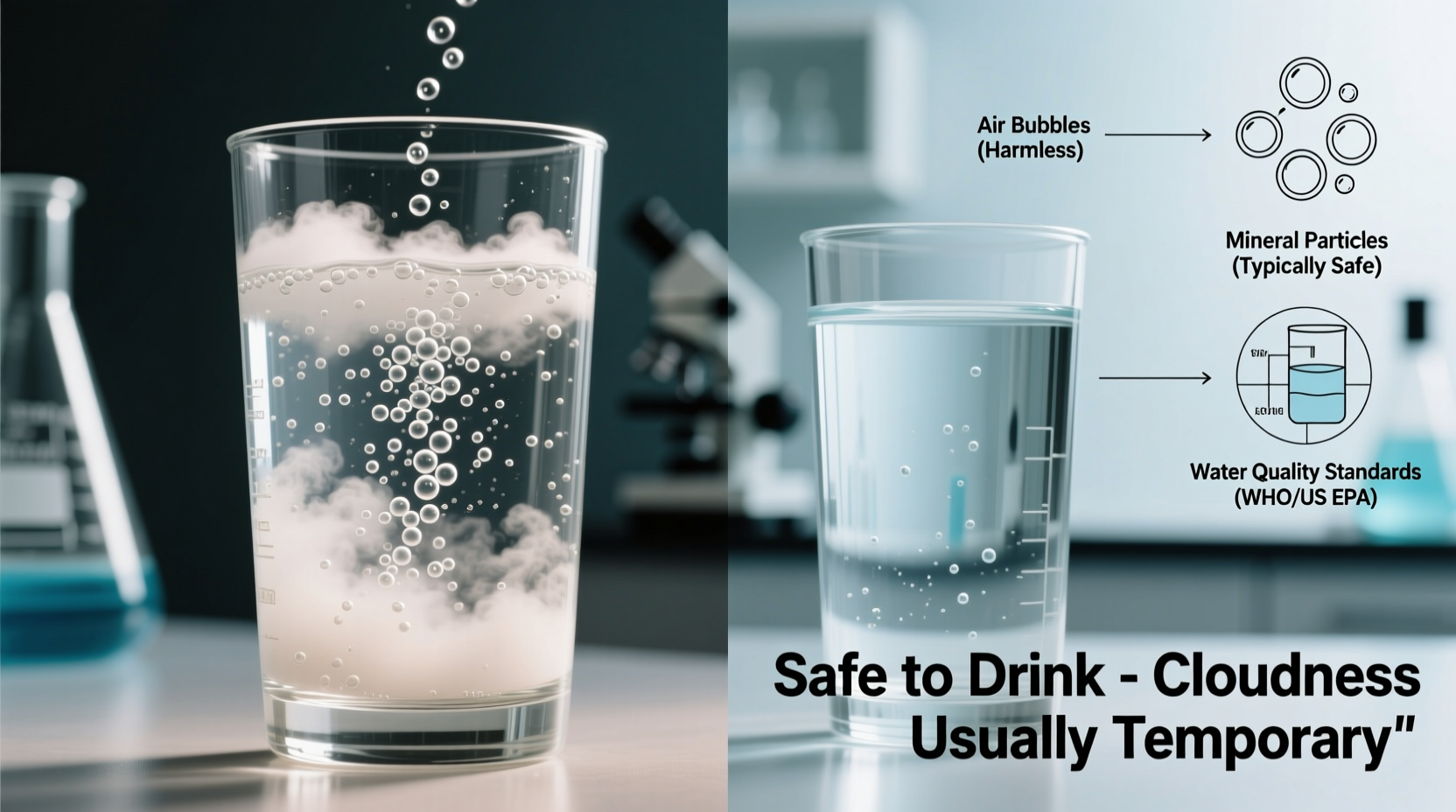
That milky, white appearance is almost certainly not a contaminant. In over 99% of cases, it’s just dissolved air being released in a dramatic fashion. Think of it like opening a shaken soda bottle—except water is much gentler about it.
Air gets trapped in your water as it travels through the pipes at high pressure. When you open the tap, the pressure drops, and the air bubbles escape, making your water look opaque. It’s a tiny, liquid fireworks display right in your kitchen.
Must Read
Try this little test: Fill a clear glass and set it on the counter. Watch the cloudiness disappear from the bottom upward, like a reverse ghost. Within one to two minutes, the water will be perfectly crystal clear. Poof—mystery solved!
The Two Suspects: Air vs. Sediment
While air is the usual troublemaker, sometimes sediment can cause a similar effect—but it looks different. Cloudy water from air clears from the bottom up; sediment makes water look tinted or gritty, and it settles as a layer on the bottom. Easy to tell apart, right?
If your water is never clear after sitting, it might be tiny particles from old pipes or a temporary mineral surge. But don’t worry—your local water utility filters for safety. Most cloudy water is just aerated fun.
 Why Is Tap Water Sometimes Cloudy And Is It Safe To Drink
And here’s a little secret: that “cloudy” water actually tastes fresher! The extra oxygen can make it feel lighter on the palate. You’re basically drinking a pressurized, bubbly liquid that just happens to settle down like a calm lake.
Why This Should Make You Smile
Think about it: your tap water is alive with invisible forces. That cloudiness is a reminder that water is dynamic—it rushes, holds air, and then releases it like a gentle sigh. It’s not a flaw; it’s a feature of modern plumbing.
Next time you see cloudy water, turn it into a mini science experiment for your kids, your roommate, or just for yourself. Time how long it takes to clear. Compare glasses from different taps. You’ll feel like a home detective—and you’ll realize you are the expert on your own water.
When to Actually Worry (Spoiler: Almost Never)
If the cloudiness lingers for hours or has a strong smell of bleach or metal, then call your water provider. But for that typical, milky glow? Cheers to that. It’s a sign your water system is under pressure—literally—and doing its job.
 Why My Tap Water Is Cloudy | Gas Furnace
I’ve had friends ask, “Should I boil it?” And I laugh, because boiling makes the air escape faster. So yes, you can boil it, but you’ll just be rushing the process. Let the bubbles chill out at room temperature—they’re not harming anyone.
An Uplifting Note to Send You Off
You didn’t just learn about cloudy water today. You learned that the small, confusing things in life often have a simple, beautiful explanation. That glass of water? It’s a little package of physics, pressure, and patience. And you just mastered it.
So next time your faucet pours a milky stream, smile. You’re not drinking a problem—you’re drinking a tiny, temporary cloud that always clears. Life is like that, isn’t it? A little foggy at first, then crystal clear.
Go on, pour yourself another glass. You’ve earned it—and this time, you can even predict when it’ll be perfect. Stay curious, stay bubbly.
