Where Does My Water Come From

You twist the faucet and water pours out, clear and cool. It feels almost magical, like you’ve summoned a private river from the depths of your sink. But have you ever stopped...
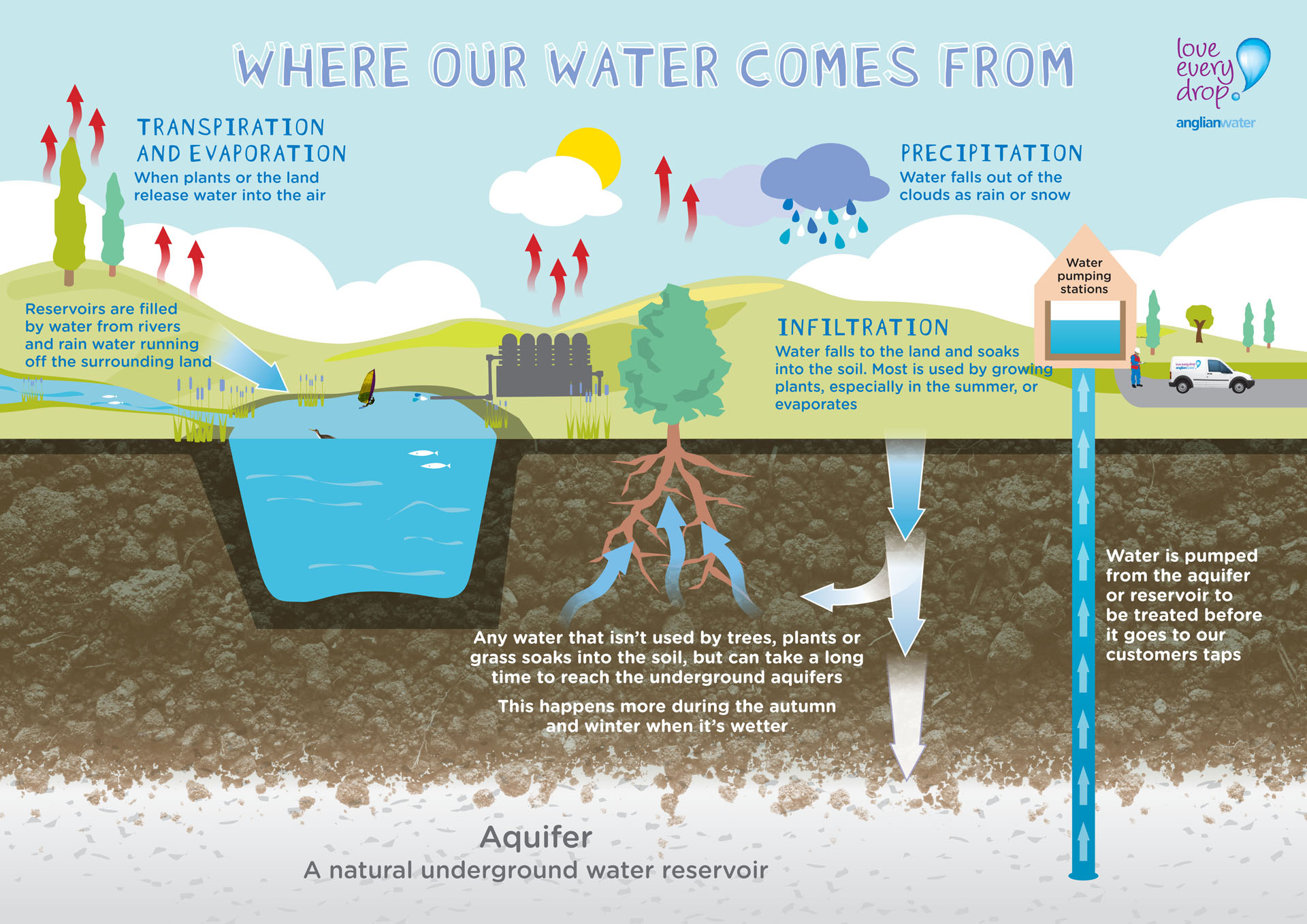
You twist the faucet and water pours out, clear and cool. It feels almost magical, like you’ve summoned a private river from the depths of your sink. But have you ever stopped mid-morning coffee to wonder, where did you come from? Let’s take a lazy, curious stroll through the journey of your H₂O—because the answer is far weirder and more wonderful than you might think.
The Hidden Geography of Your Glass
Your water likely travels further than your last vacation. If you live in New York City, it creeps 125 miles from the Catskill Mountains, flowing through tunnels carved by hand over a century ago. In Los Angeles, it hitches a ride from the Colorado River, crossing deserts and aqueducts like a liquid road trip.
Most of us are drinking surface water from lakes and reservoirs, or groundwater pumped from ancient aquifers. About 68% of the world’s freshwater is locked in ice, so be grateful your tap isn’t a glacier.
Must Read
Fun Fact: The Water You’re Drinking Is Old
Every molecule you swallow has been on Earth for 4.5 billion years. It has passed through dinosaurs, Mongol horses, and probably a Roman emperor’s bath. You’re not just hydrating—you’re participating in a planetary recycling program.
The Urban Pipeline: Your Water’s VIP Pass
Once your water leaves its source, it doesn’t just wander into your glass. It enters a complex system of treatment plants, where it’s filtered, disinfected, and tested for over 100 contaminants. Think of it as a spa day for dirty river water—minus the cucumber slices.
Then comes the pipe. Cities have underground labyrinths of iron, copper, and PVC, some pipes dating back to the Civil War. Boston’s water system includes wooden logs from the 1650s that still carry water today.
Practical Tip: If your tap runs brown, let it flush for a minute. It’s often just sediment from old pipes, not dinosaur juice.
Cultural Reference: The Roman Aqueducts Were Just Fancy Plumbing
The ancient Romans built 11 aqueducts to bring water 57 miles—and they used lead pipes. We now know that lead poisoning might have contributed to the empire’s decline. So modern water treatment? Kind of a big deal.
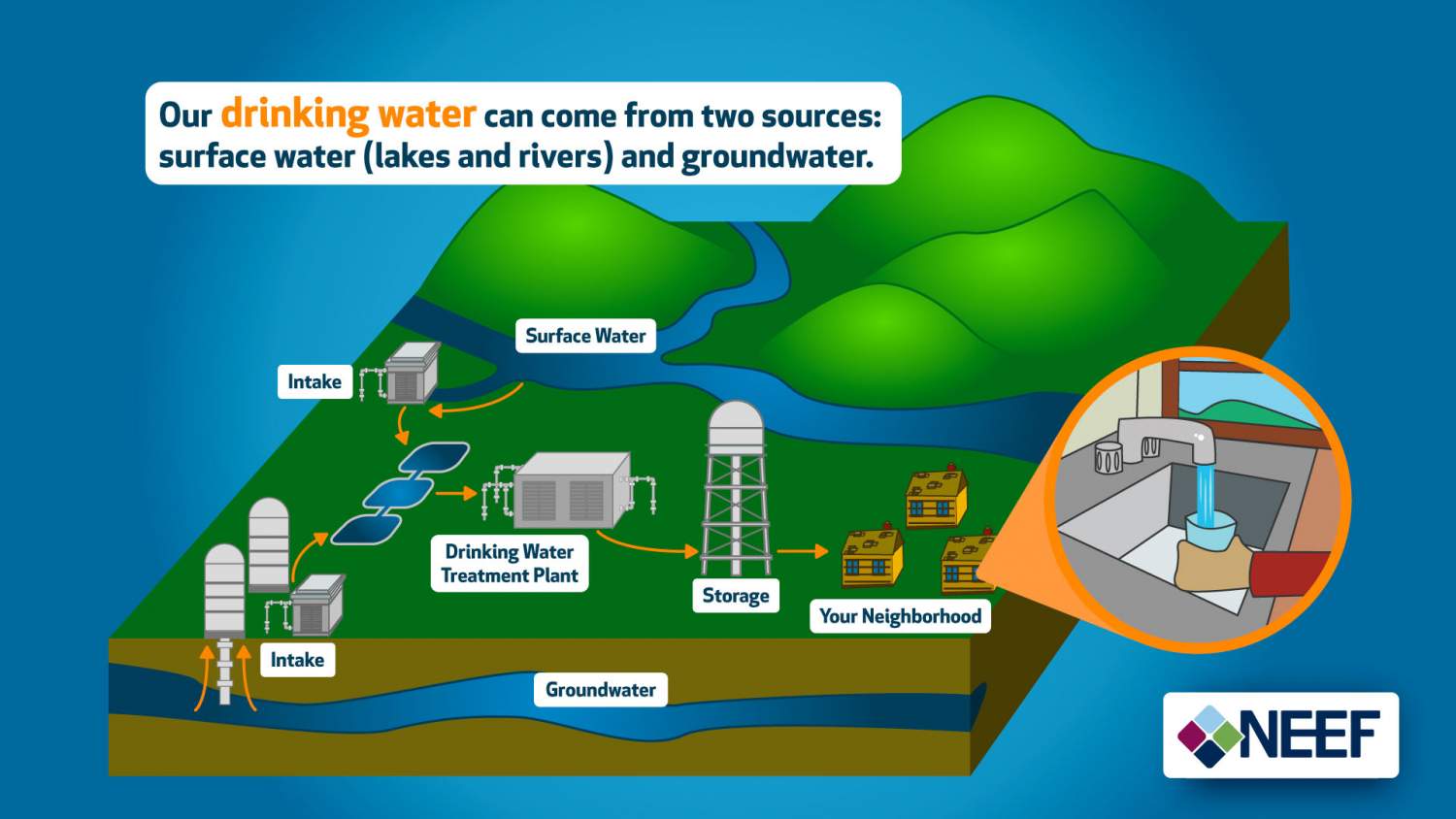 Diagram Of Why We Should Drink Water Importance Water Stock
The Global Water Map: A Tale of Two Faucets
Your water’s journey isn’t just geography—it’s privilege. In Iceland, they bottle water straight from glacial springs and sell it for pocket change. In parts of sub-Saharan Africa, women walk 3.7 miles on average to collect water from a single well.
Meanwhile, the average American uses 80-100 gallons per day. That’s enough to fill a small swimming pool every week—just for showering, flushing, and watering lawns.
Fun Fact: A leaky faucet dripping once per second wastes over 3,000 gallons a year. That’s enough water to drown a small car.
How to Get to Know Your Water
Want to be a water detective? Start with your consumer confidence report. Every U.S. water utility must send you one annually by July 1st. It lists where your water comes from and what’s in it—like a nutrition label for your tap.
You can also check Google Maps for your local reservoir. Most are open to the public, and nothing makes a Sunday hike feel profound like standing at the source of your morning coffee.
Practical Tips for the Curious
Fill a clear glass and look at it. If it’s slightly cloudy, that’s often dissolved air, not pollution. Let it sit for a minute; the bubbles will clear.
 Where Does Water Come From
If you’re on well water, test it yearly for nitrates and bacteria. Well water is your own private aquifer—no city filter between you and the earth.
Buy a reusable filter pitcher only if you genuinely dislike the taste. Most tap water is already safe; filters are for flavor, not fear.
The Emotional Current
There’s a reason humans build civilizations around rivers and fight wars over springs. Water is life, but also identity. Your regional water carries the mineral signature of your local geology—the calcium of limestone, the iron of ancient rock.
That’s why water in Paris tastes different from water in Tokyo. It’s why a glass from a childhood well can trigger a memory stronger than a photograph.
A Short Reflection
Tomorrow morning, before you gulp down that first glass, take a quiet second. Imagine the rain that fell on a mountain 50 years ago, the journey through dark pipes, the whir of pumps, the humans who tested it for safety. That humble water is a tiny, perfect loop of geology, engineering, and history.
You don’t just drink water. You drink the world. And that’s pretty cool for something that costs pennies a gallon.
