What Is A Ph Balance In Water

Ever taken a sip of water and thought, “Hmm, this tastes a bit… weird”? You might be picking up on its pH balance. It sounds like something from a science lab, but it’s actual...
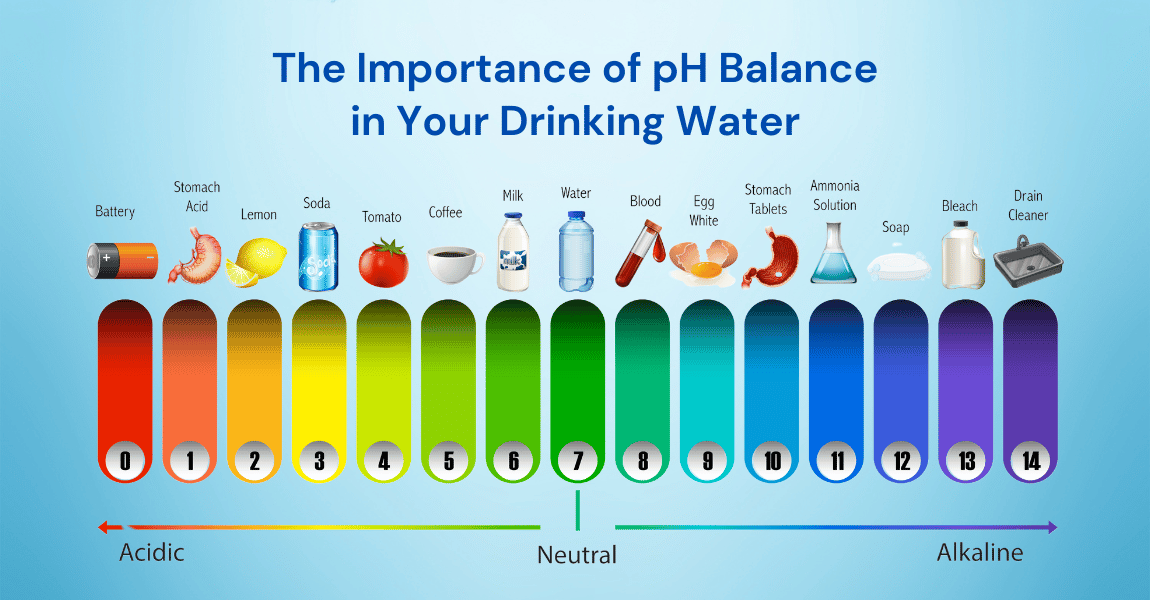
Ever taken a sip of water and thought, “Hmm, this tastes a bit… weird”? You might be picking up on its pH balance. It sounds like something from a science lab, but it’s actually a super simple—and surprisingly cool—concept that affects everything from your morning coffee to the health of your fish tank.
So, What Is pH, Really?
In the simplest terms, pH is a scale that tells you how acidic or alkaline (the opposite of acidic) a liquid is. Think of it as a little number line from 0 to 14, with 7 right in the middle being neutral. Pure water, in theory, sits at that perfect 7.
Anything below 7? That’s acidic territory—think lemon juice or stomach acid. Anything above 7? That’s alkaline, like baking soda or seawater. Your tap water usually hangs out somewhere between 6.5 and 8.5.
Must Read
But why should you care? Because this invisible scale influences how your water tastes, how it reacts with soap, and even how it might feel on your skin.
The Great Taste Test: Why pH Matters for Your Sip
Water isn’t just water—it has a personality, and pH is a big part of that. Water that’s slightly acidic (like a 6.5) can taste sharp or metallic. You might catch a faint tang, like watered-down fruit juice that's gone a bit sour.
On the flip side, water that’s more alkaline (say, an 8.5) can taste smooth or even a little bitter. Some people describe it as “slippery” on the tongue. Ever had bottled water that felt “flat” or “heavy”? That’s often the alkaline pH talking.
It’s like comparing a crisp green apple to a ripe banana—both are fruits, but they hit your taste buds completely differently. Your water’s pH is doing the same thing, one sip at a time.
The Chemistry Behind the Magic (Don’t Worry, It’s Fun)
Here’s where it gets interesting: pH stands for “potential of hydrogen.” All those hydrogen ions floating around in your water decide if it’s acidic or alkaline. More hydrogen ions? That’s acidic. Fewer hydrogen ions? That’s alkaline. It’s like a tiny, invisible dance party in your glass.
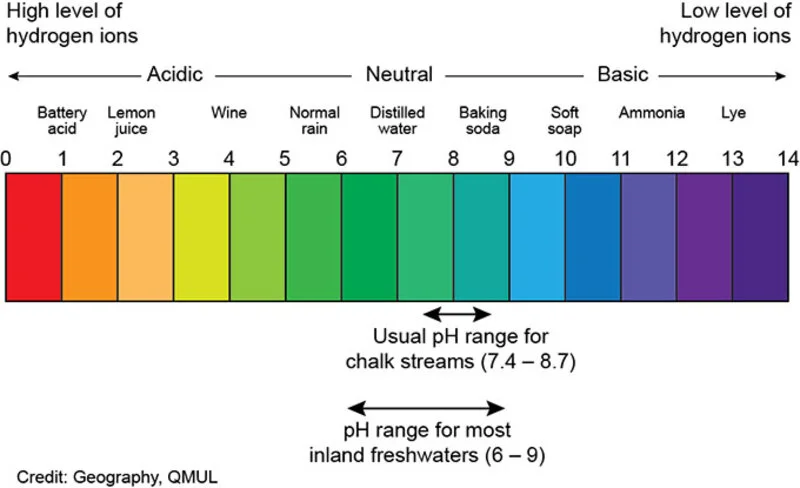 Beyond the Surface: A Deep Dive into Water Parameters
And get this—the pH scale is logarithmic. That’s a fancy way of saying that a water at pH 5 is ten times more acidic than water at pH 6. A difference of just 1 means a huge chemical shift.
This is why your fish tank, garden soil, or even your swimming pool needs careful pH monitoring. A swing of just a point or two can make your goldfish grumpy or your pool turn cloudy. It’s a big deal for a tiny number.
Is “Alkaline Water” a Superhero or a Hype?
You’ve probably seen fancy bottles claiming “alkaline water” will boost your energy and fix your life. Here’s the chill truth: your body is a pH-regulation machine. Your stomach is incredibly acidic (around pH 2), and your blood always stays around a very strict pH of 7.4. Drinking alkaline water? Your stomach neutralizes it almost instantly.
Does that mean it’s useless? Not exactly. Some people swear it helps with acid reflux or feels less “heavy” on the stomach. But if you’re expecting it to change your body’s pH? That’s like trying to change the ocean’s saltiness with a teaspoon of salt. It just doesn’t work that way.
The bottom line: Regular tap water with a balanced pH is totally fine for most of us. Alkaline water is more of a lifestyle choice than a medical miracle—but hey, if it makes you drink more H2O, go for it.
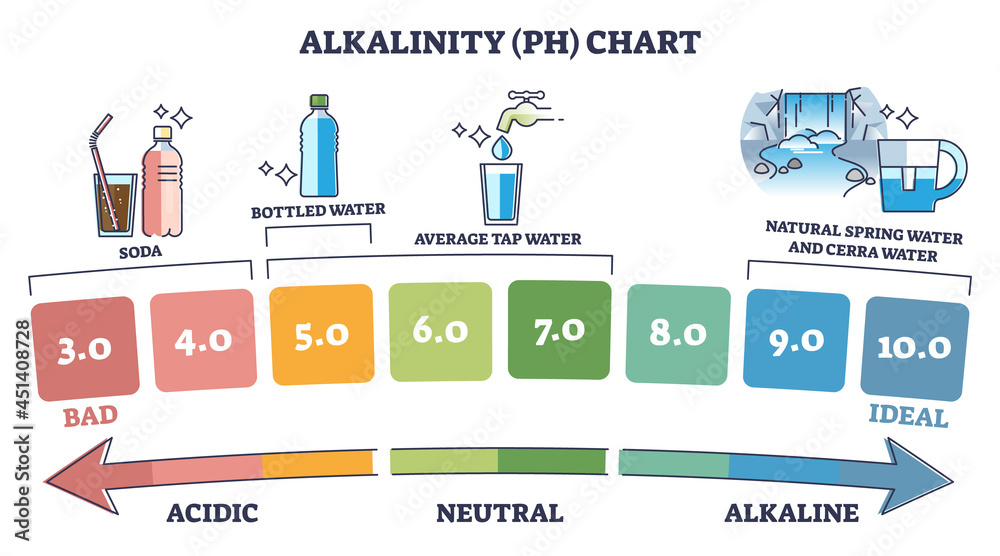 P H Diagram For Water
How to Test Your Own Water (It’s Easier Than You Think)
Curious about what’s flowing from your faucet? You can grab a simple pH test kit at a pet store or online for a few bucks. It’s just a little vial and a few drops of a color-changing liquid. You add the water, shake it, and watch the color turn.
Yellow or orange? That’s acidic. Blue or purple? That’s alkaline. Green? You’re at the sweet spot of neutral. It’s like a mood ring for your water—and way more fun than reading a boring pamphlet about plumbing.
Remember, the world’s healthiest waters—like natural springs—often have different pH levels. Some are soft and acidic, others are hard and alkaline. Your water isn’t “wrong” if it’s not a perfect 7. It’s just telling you its story.
The Takeaway: Relax, Your Water is Probably Fine
pH balance is one of those things that sounds intimidating but is really just a measurement of vibe for your water. It’s not good or bad—it’s just a number that explains why your morning brew tastes different than the water at your friend’s house.
So next time you drink a glass of water, take a second to appreciate the invisible chemistry happening. That quiet, clear liquid? It’s dancing with hydrogen ions, trying to find its balance. And honestly? That’s pretty cool.
Stay hydrated, stay curious, and don’t let the numbers stress you out.
