What Is A Boil Water Advisory

You know that moment when you turn on the kitchen tap, expecting a cool, refreshing stream, but instead get a weird gurgle? Or worse, the water looks a little cloudy or smells...
You know that moment when you turn on the kitchen tap, expecting a cool, refreshing stream, but instead get a weird gurgle? Or worse, the water looks a little cloudy or smells faintly of a swimming pool. That’s when your phone might buzz with an alert: Boil Water Advisory. It sounds official and a bit scary, but really, it’s just your water utilities being your protective, slightly overbearing neighbor—the one who warns you before a storm hits.
Think of it as a temporary heads-up that your tap water might be carrying some uninvited guests. Bacteria, viruses, or parasites can sneak into the pipes after a big storm, a main break, or maintenance work. They’re tiny, invisible, and they don’t care that you have a busy day ahead. They just want to hang out in your glass of H2O, and spoiler alert: you do not want that party in your stomach.
Why Should You Actually Care?
Imagine you’re making your morning coffee, still half-asleep. You fill the pot, press brew, and two hours later you’re battling a grumpy gut instead of your to-do list. That’s the real, unglamorous reason to pay attention. Boiling water kills the bad stuff—viruses, bacteria, and protozoa—good as gold, turning your kitchen stove into a tiny, temporary purification plant.
Must Read
It’s not about being dramatic; it’s about avoiding a tummy-ache choir in your household. Kids, pets, and anyone over sixty are especially vulnerable. You wouldn’t let your toddler drink from a puddle, right? A boiling advisory is basically saying, “Hey, treat the tap like a weird puddle for a day or two.”
The Water’s Not Poison, It’s Just…Rude
Here’s a comforting little secret: a boil water advisory doesn’t mean your water is toxic sludge. It means there’s a potential for contamination. The authorities are being cautious—like a friend who spots a wobbly chair and yells, “Don’t sit there!” before you crash. But if you ignore the warning and drink it cold? You might be fine. Or you might spend the night regretting every life choice you’ve ever made.
 Waterworks District #2 issues boil advisory for customers with low
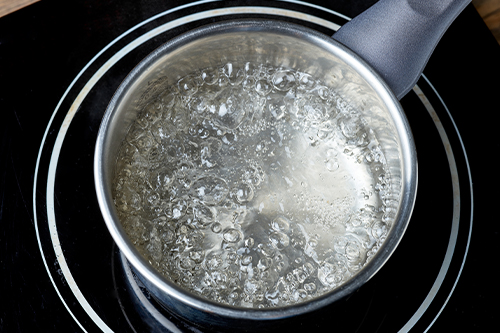
So, when you see that advisory, treat it like a bad romance with your plumbing: don’t let it get too intimate. That means tap water for drinking, brushing teeth, washing fruits, making ice cubes, or even giving the dog a fresh bowl—all needs to go through a full, rolling boil first. Let it bubble hard for one minute, then cool. No shortcuts.
Everyday Life Under the Advisory
You’ll quickly realize how many things depend on tap water. Making pasta? Boil it twice—once to cook the noodles, and yes, the water you start with must be boiled first. Washing your hands? Actually, that’s one of the few exceptions—you can wash with soap and tap water as long as you dry them well. But if you have an open cut, stick to bottled or boiled water for cleaning it. Better safe than crying over a bandage.
And don’t forget your coffee maker. That machine doesn’t get hot enough to kill all the bad guys (most brew at around 195°F, but you need a full 212°F boil). So, nope—you have to boil the water first, then pour it into your fancy machine. Yes, it’s a tiny inconvenience, but your morning ritual will thank your colon later.
 Milton High School and Circle K under boil water advisory | WKRG.com
The Golden Rule: When in Doubt, Boil It Out
Think of the advisory as a free pass to be a little lazy for a day. You can stock up on bottled water and feel like a savvy prepper. You can tell your kids, “Sorry, no shower today—we’re following the rules!” (Though they’ll probably love that last one a little too much.) The point is, the advisory is temporary—usually 24 to 48 hours. It’s a tiny hiccup in your routine, not a lifestyle change.
And here’s the warm, fuzzy part: boil water advisories show your community cares. It means someone in a control room is watching the pipes and isn’t waiting for you to get sick before raising a flag. They’re not being dramatic; they are being protective. So when your phone goes “BZZZT!” and you groan, take a breath, fill a pot, and feel a little grateful. You’ve got clean energy, a stove, and a ton of glorious, safe water waiting just one bubble away.
One last story: I remember sitting at my kitchen table during an advisory, boiling water for my oatmeal. My mom called, laughing, saying she had boiled so much water she felt like a Victorian-era maid. I laughed too. Then I used that boiled water to make a cup of tea, sat down, and realized: this is how people take care of each other—one bubbly pot at a time. So go ahead, boil that water with a smile. Your stomach—and your neighbor who forgot—will thank you.
