How To Test For Pfas In Water

So, you’ve heard about PFAS—those “forever chemicals” that sound like a sci-fi villain but live in your frying pan and rain jacket. Now you’re staring at your tap water, wonde...
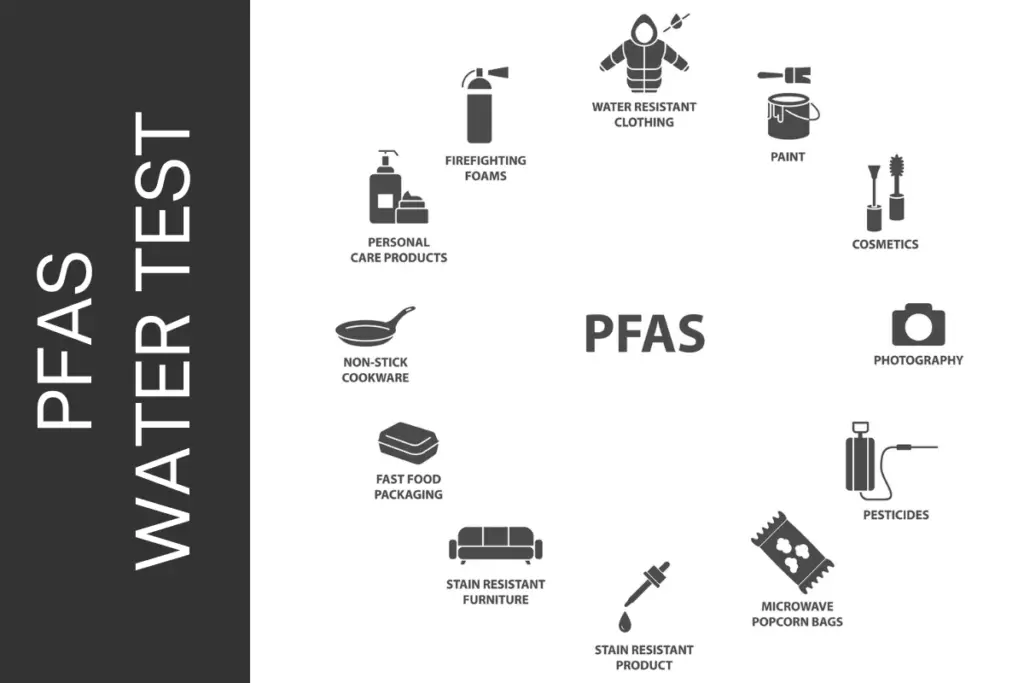
So, you’ve heard about PFAS—those “forever chemicals” that sound like a sci-fi villain but live in your frying pan and rain jacket. Now you’re staring at your tap water, wondering if it’s hosting a tiny, invisible party you didn’t sign up for. Testing for PFAS isn’t as scary as it sounds, and I promise you won’t need a hazmat suit. Let’s dive in—no lab coat required.
First, what the heck are PFAS?
PFAS stands for per- and polyfluoroalkyl substances. That’s a mouthful, so just remember: they’re chemicals that really hate to break down. They’re in non-stick pans, waterproof jackets, and even some fast-food wrappers.
Think of them as that one friend who never leaves the party. They hang around in the environment and, yes, in your water, for decades. Charming, right?
Must Read
Why test your water at all?
Because knowledge is power—and also because some PFAS might mess with your health over time. Studies link them to things like thyroid issues and immune system hiccups. But don’t panic; millions of people drink tap water daily and are totally fine.
Testing is just a smart way to know what’s in your glass. Plus, it’s way easier than guessing, which is terrible strategy, like using a banana to fix a leaky faucet.
Option 1: The DIY Strip Test (for a quick peek)
You can buy PFAS test strips online. They look a lot like pool-strips or pregnancy tests—just less dramatic. Dip the strip in your water, wait a few minutes, and get a color-coded result. Easy, right?
But here’s the catch: most home strips only detect a few types of PFAS, not all 9,000+ of them. It’s like checking if there’s a bear in your backyard by looking for only one paw print. You might miss the whole bear.
Pro tip: Go for a lab-grade kit.
These come from accredited testing companies. You fill a sample, mail it in, and wait. Yes, it’s like sending your water on a spa vacation. Results arrive in a few weeks and tell you exactly how much PFAS is lurking around.
Option 2: The Lab Test (the gold standard)
Order a kit from a certified lab—just Google “EPA-approved PFAS testing” and pick a reputable one. You’ll get a sterile bottle, instructions, and a shipping label. Don’t drink the sample water, no matter how thirsty you are. Leave that for the lab nerds (I say that with love).
Fill the vial to the line, cap it tight, and send it off. Most labs test for 14 to 18 different PFAS compounds. That’s like getting a full detective report, not just a “maybe.”
 Your Guide to Understanding PFAS Testing and Water Safety Standards
Cost? Expect around $250 to $400. Yes, it stings like a bad movie ticket. But think of it as peace-of-mind money—or a really, really boring date you never have to go on again.
Option 3: Call in the pros (if you’re fancy or suspicious)
If you have a private well, or your town’s water has a known PFAS issue, hire a licensed water inspector. They come to your home, take samples like a crime-scene investigator, and handle the lab paperwork for you. cue dramatic music
This is the priciest route—often $500 or more—but it’s the most thorough. Plus, you get to feel like a secret agent for a day. Just don’t wear sunglasses indoors.
What do you do with the results?
If your water shows PFAS levels below the EPA’s health advisory (70 parts per trillion for certain ones), you’re probably in the clear. If it’s above? Don’t panic—but do consider a water filter certified to remove PFAS. Look for filters with activated carbon or reverse osmosis.
And remember: bottled water isn’t automatically safer. Some brands are just tap water in a disguise. Plot twist! Check labels or choose brands that test for PFAS.
A few playful warnings before you start
Never test water after a rainstorm. Why? Runoff can mess with results, like trying to listen to music at a heavy metal concert. Also, don’t use first-morning water if you have a private well—let the tap run a minute to get a “fresh” sample.
And please, don’t taste test. PFAS are odorless and tasteless, so your taste buds are useless here. They’re great for judging pizza, not chemistry.
 Epa Approved Pfas Testing Methods at Simona Brown blog
One more thing: labs love details
When you fill out the chain-of-custody form, be honest. Did you use a plastic cup? Did your cat walk on the counter? Labs can spot contamination—they’re basically detectives with bunsen burners. Don’t make this harder for them.
If you confuse the sample or spill it, just laugh it off. Order another kit. It’s not quantum physics—it’s just fancy water voodoo.
Whole-home test vs. single tap?
Most home test kits are for one tap. If you want to know about your whole house, you’ll need to sample from different faucets. But honestly, your kitchen tap is the star of the show—that’s what you drink, cook, and wash your berries with.
Testing the bathroom tap? Only if you have a weird hobby. Otherwise, save your money for something fun, like socks with llamas on them.
The uplifting conclusion (you made it!)
So there you have it: testing for PFAS is just a few steps—dip, ship, or hire a pro. You don’t need a chemistry degree to know what’s in your glass. You just need a little curiosity and a willingness to mail a bottle of water.
And here’s the good news: once you know, you can act. Filters, better choices, or a chat with your water company—it’s all in your hands. You’re not just a person who worries; you’re a water detective. That’s kind of cool. Even if your coworkers don’t know it yet.
So go ahead, grab a test kit, and wave goodbye to the mystery. Your water is about to spill its secrets—and you’ll be sipping with confidence, maybe even a little swagger. Cheers to that!
