How To Lower Chlorine In Pool

There’s something magical about a shimmering pool on a hot afternoon—it whispers escape, promising weightlessness and the faint, clean scent of summer. But when that scent sta...
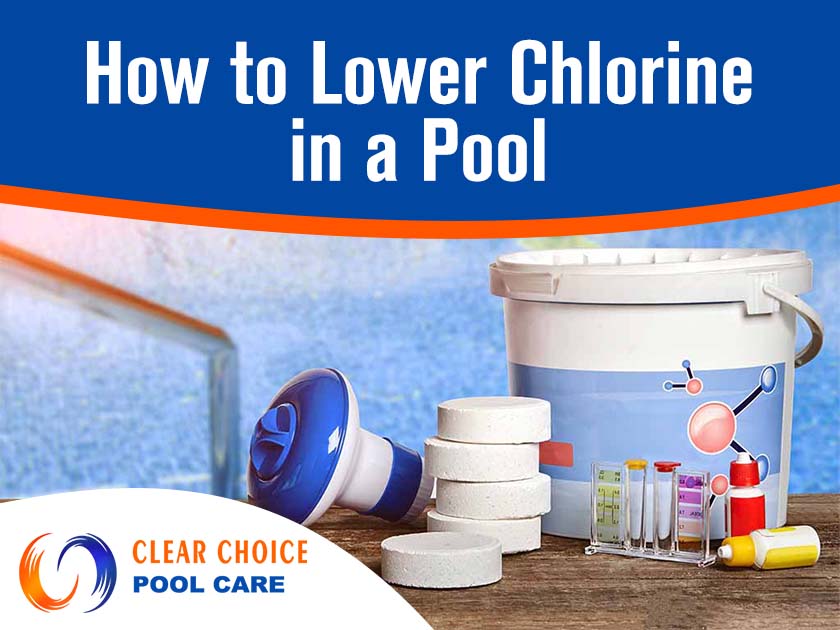
There’s something magical about a shimmering pool on a hot afternoon—it whispers escape, promising weightlessness and the faint, clean scent of summer. But when that scent starts to bite your nostrils and your eyes feel like you’ve been chopping onions for an hour, your chlorine levels have overshot the party. Don’t panic. You don’t need a chemistry degree or a hazmat suit to bring your water back to that Goldilocks zone—just a few clever, easy-going tricks.
Why Too Much Chlorine Is a Buzzkill
Chlorine is the bouncer at your pool’s VIP lounge, kicking out algae and bacteria so you can swim safely. But too much of it turns that bouncer into a grumpy tyrant, leaving you with red eyes, dry skin, and that faint, bleachy smell that screams “chemical accident.” Fun fact: that sharp odor isn’t actually chlorine itself—it’s chloramines, the byproduct of chlorine fighting off sweat, sunscreen, and pee. Classy, right? Lowering chlorine isn’t just about comfort; it’s about restoring your pool’s zen.
The Sun: Nature’s Free Chlorine Crasher
Your first and easiest ally is the sun. Ultraviolet (UV) rays naturally break down chlorine molecules, a process photochemists call photolysis, but you can just think of it as solar sass. On a bright day, uncovered pools can lose up to 90% of their free chlorine in just a few hours. So, if your levels spiked after a shock treatment, simply remove the pool cover and let the sun do the heavy lifting. It’s like putting your pool on a sunbathing diet—no effort, just rays.
Must Read
Of course, if the weather forecast looks like a vampire’s dream—grey and overcast—you might need a backup plan. That’s where the next trick comes in, and it’s delightfully low-tech.
Neutralize With a Splash of Science
For those who want instant gratification, sodium thiosulfate is your pool’s best friend. This handy powder (often sold as a “chlorine neutralizer” or “pool reducer”) works like a magic eraser, binding to chlorine molecules and rendering them harmless. A little goes a long way—just a quarter cup can drop levels by 10 parts per million (ppm) in a 10,000-gallon pool. Add it near a return jet, let the pump run for an hour, and test again. It’s so effective that professional pool techs swear by it for quick fixes.
But here’s the smooth operator’s secret: half doses are your friend. You can always add more, but you can’t un-add chlorine. Think of it like adding salt to a gourmet pasta water—go slow, taste often. And always retest your water twice before declaring victory.
 How To Lower Chlorine In Pool Quickly Naturally Diy
The Pool Party Fix: Water Exchange
Sometimes the most elegant solution is also the most obvious: dilution. If your chlorine is sky-high (think 20+ ppm) and you’re hosting a BBQ tomorrow, partial draining and refilling is your hero. It sounds drastic, but you only need to swap out about 20 to 30 percent of the volume to bring levels down from “yikes” to “yes.” This is also a perfect excuse to live out your Ocean’s Eleven fantasy—strategically siphon water while your friends think you’re just being a diligent host.
Just be mindful of local drought restrictions; no one wants to be that neighbor. And if draining feels wasteful, consider using the old water to irrigate your lawn (check chlorine levels first—under 5 ppm is safe for grass). It’s a win-win: lower chlorine, greener grass, zero guilt.
Fun Fact: Pool Water Is Thirsty for Sunscreen
Here’s a cultural tidbit you can drop at your next poolside chat: the invention of modern chlorine tablets is thanks to a chemist named Frederick W. Koehler in the 1920s, who wanted to prevent eye irritation. Ironically, today, that same chlorine can react with the UV filters in your sunscreen to create even more chloramines. So when you lower chlorine, you’re not just saving your eyes—you’re rescuing your blue LVMH-approved SPF from a chemical face-off. Fashion meets function, darling.
The Soak-and-Wait Method (For the Lazy Luxe)
If you’ve got time and patience, you can let your pool self-correct. With the pump running 24/7 and a sunny forecast, levels can drop by 2 to 4 ppm per day. This is the “slow-living” approach—like waiting for sourdough to rise or a classic film to unfold. For a 40 ppm spike, you’re looking at about a week of natural degradation. During that time, just skip the swim, grab a good book, and tell guests the pool is “undergoing a glow-up.”
 Reduce Chlorine In Pool Quickly at Johnny Moe blog
Pro tip: add a bit of hydrogen peroxide (pool-grade, not the pharmacy bottle) for a quick, oxygen-based neutralization that’s surprisingly gentle on equipment. It’s the skincare essence of pool chemicals—calming, clarifying, and very Instagrammable.
Test, Don’t Guess
You can’t lower what you don’t measure. Invest in a good DPD test kit or digital tester (the ones that use little tablets are wonderfully retro). Test your water twice—once in the morning, once after any adjustment. The ideal free chlorine level for most residential pools is 1 to 3 ppm. Anything above 5 ppm will feel like a chemical bath, and above 10 ppm, you’re entering “swimming in bleach” territory. Numbers don’t lie, but they can definitely ruin a Saturday.
One last fun fact: In the 1950s, pool owners used copper sulfate to kill algae—and it turned swimmers’ hair green. Chlorine may be harsh, but at least it preserves your highlights. Progress.
A Short Reflection on Balance
Lowering chlorine is really about one thing: balance. Too little leaves you with a swamp; too much leaves you with a chemistry lab. It’s the same golden rule we apply to coffee, cocktails, and conversation—a little goes a long way, and the sweet spot is always worth finding. So next time you dip a test strip into that sapphire water, remember you’re not just adjusting a number. You’re crafting an experience: clear skies, calm waters, and the quiet joy of knowing you’ve got it just right. Now slip in, float, and let the sun finish the rest.
