How To Dechlorinate Tap Water

Let’s be real: tap water is a modern miracle. It flows on demand, costs pennies, and keeps our cities hydrated and humming. But there’s a catch—that subtle, swimming-pool arom...
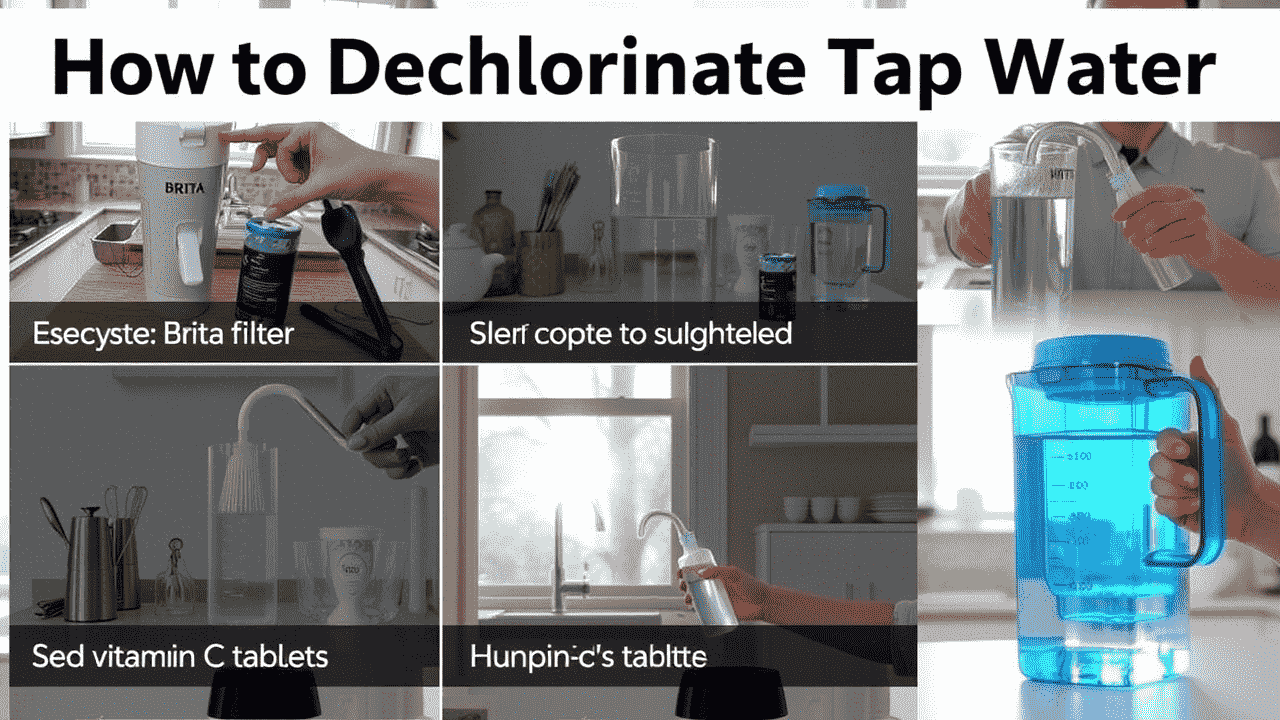
Let’s be real: tap water is a modern miracle. It flows on demand, costs pennies, and keeps our cities hydrated and humming. But there’s a catch—that subtle, swimming-pool aroma is chlorine, and it’s there for a very good reason. Chlorine kills bacteria and viruses, making our water safe to drink straight from the faucet. Yet for the discerning palate, and especially for your houseplants, fish tanks, or morning brew, that chemical tang can be a buzzkill.
The good news? Dechlorinating tap water is absurdly easy. You don’t need a PhD in chemistry or a fancy filtration system that costs more than your couch. Whether you’re a kombucha brewer, a succulent whisperer, or just someone who wants their tea to taste like tea, this guide is your chill, no-stress roadmap to better water.
Why Bother? The Chlorine Conundrum
First, a quick reality check: chlorine in tap water is not poison in the doses we receive. Municipalities add it to prevent cholera and typhoid, which is honestly a flex for civilization. But chlorine is volatile—it evaporates, reacts, and can leave behind byproducts called trihalomethanes, which some studies link to long-term health concerns.
Must Read
For your houseplants, chlorine can be a slow drama queen, burning sensitive root tips and stripping beneficial microbes from the soil. For your betta fish, it’s a death sentence. And for your morning pour-over coffee? It mutes the bright, fruity notes faster than a bad playlist at a party. So yes, dechlorinating is more than a spa treatment—it’s a small upgrade for your daily rituals.
Method 1: The Lazy Genius’s Favorite—Let It Breathe
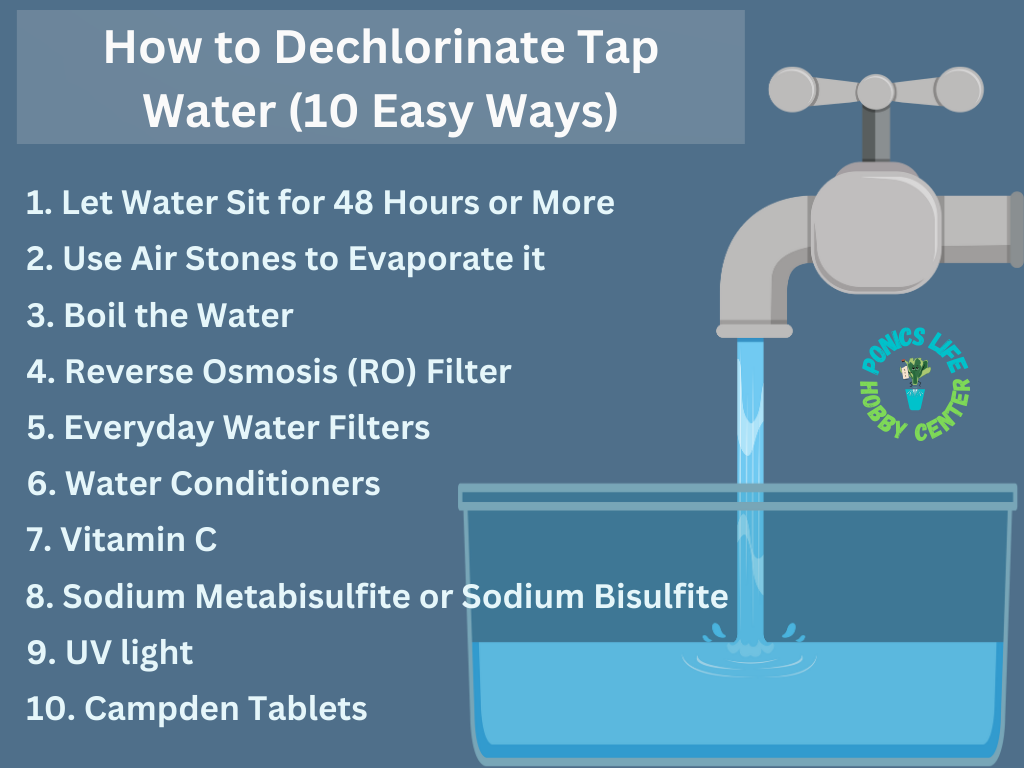
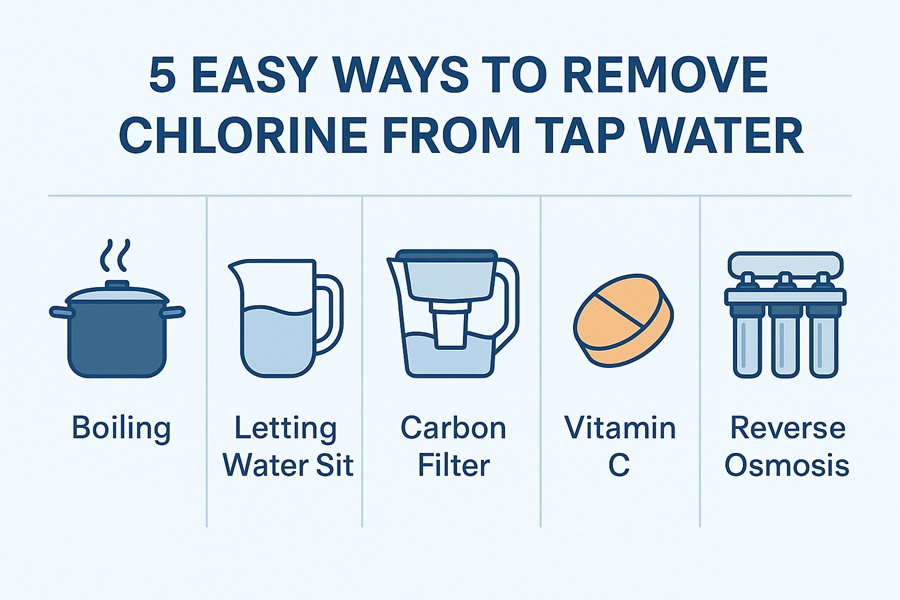
This might be the most satisfyingly simple trick in the book. Fill a pitcher or a large glass jar with tap water and leave it uncovered on your counter for 24 to 48 hours. That’s it. Chlorine is a gas dissolved in water, and like a teenager escaping a family dinner, it will naturally rise and dissipate into the air.
Fun fact: Water is a social animal. The process is called “off-gassing,” and it works best with a wide-mouth container to maximize surface area. Pro tip: give the water a gentle stir every few hours. You’ll see tiny bubbles rising—that’s chlorine making its escape, waving bye-bye.
For an aesthetic upgrade, add a few slices of lemon or cucumber to the pitcher. You’re not just dechlorinating; you’re infusing. Suddenly, your water is a spa-beverage, and you’re the kind of person who owns a linen napkin.
Method 2: The Speed Demon—Boil It
If you’re impatient (like anyone who has ever waited for a microwave burrito to cool), boiling is your best friend. Bring your tap water to a rolling boil for about 15 to 20 minutes. The heat forces chlorine to evaporate much faster than air alone. Need tea anyway? Boil, let it cool to your preferred temp, and steep. Efficiency meets elegance.
 How to Dechlorinate Tap Water (10 Easy Ways)
A quick heads-up: boiling concentrates other minerals like calcium and fluoride, which aren’t removed by heat. That’s fine for drinking but not ideal for a fish tank. Also, boiled water can taste a little flat because it loses dissolved oxygen. Solve this by pouring it between two cups to aerate it before sipping. You’ll feel like a barista on a slow Tuesday.
Method 3: The Chemist’s Wink—Use Vitamin C
Yes, you read that right. Vitamin C (ascorbic acid) neutralizes chlorine instantly, like a tiny, edible superhero. A single 500mg tablet—the kind you buy for colds—can dechlorinate 100 liters of water. Crush it, stir it into a gallon of tap water, and wait five minutes. Done. The chemical reaction turns chlorine into harmless chloride, which is basically table salt without the attitude.
This method is especially popular among aquarium hobbyists who keep sensitive fish or shrimp. It’s also a great trick for hikers using treated water in remote areas. And here’s the cultural nod: in Japan, some high-end tea ceremonies use ascorbic acid drops to perfect their water profile. You are now in that lineage.
Method 4: The Filter Fairy—Charcoal and Pitchers
If you want to set it and forget it, buy a basic carbon filter pitcher (Brita, PUR, or similar). Activated carbon is like a molecular bear trap—it grabs chlorine and other impurities (lead, sediment, that weird plasticky taste) and holds them tight. One pitcher costs about the same as three lattes and lasts for months.
The modern twist: countertop filter systems are now gorgeous. Think brushed metal, glass reservoirs, and minimalist designs that fit your #shelfie aesthetic. You’re not just purifying water—you’re making a design statement that whispers, “I hydrate with intention.” Just remember to replace the filter every two months, or it becomes a bacteria frat house. Nobody wants that.
Method 5: The Sunbather—UV Light
Here’s one for the weirdos and the off-grid romantics. Place clear glass bottles of tap water in direct sunlight for 6 hours. The sun’s UV rays break down chlorine into chlorides, and they also kill certain pathogens. This is called solar water disinfection (SODIS), and it’s used in developing nations to make water safe.
 How to Dechlorinate Tap Water: Safe and Effective Methods - The
It sounds like something from a yoga retreat in Sedona, and honestly, that’s part of the charm. Bonus: the water will feel warm and slightly “charged.” If you’re into crystals or just like the idea of drinking sunbeams, this is your lane. But for daily use? It’s slower than other methods. Best reserved for a lazy Sunday project.
Practical Tips & Fun Little Facts
Whatever method you choose, always test your water first. A simple chlorine test kit (available at any pet store for $5) will tell you if you’ve succeeded. Aquarium friends swear by these. You’ll feel like a water sommelier.
Here’s a fun cultural fact: in ancient Rome, water was stored in clay amphorae for days before drinking—they knew that “aging” water improved taste. They didn’t know about chlorine, but they understood the vibe. And in modern Japan, many households still let water sit overnight to “rest” before making tea. You are connecting to a tradition older than plumbing.
Another quick tip: store dechlorinated water in a sealed glass container in the fridge. It stays fresh for about 2-3 days. Stainless steel bottles work too, but avoid plastic if you can—it can leach its own flavors. You’ve come this far; don’t let a plastic bottle ruin the party.
A Short Reflection on Daily Life
Dechlorinating your tap water is a small act of deliberate care. It’s not about being afraid of your faucet; it’s about choosing to slow down and taste what you’re really consuming. In a world that demands speed, letting water sit for 24 hours is a quiet rebellion—a pause that says, “I deserve something better than a chemical aftertaste.”
And isn’t that the whole point of a good life? Not to overcomplicate things, but to remove the tiny impurities so the good stuff can shine. Your morning coffee, your fern in the corner, your Friday night bath with a novel—they all taste better when the water is clean. So fill that pitcher, give it a little time, and drink deeply. You’re not just hydrating. You’re honoring the moment.
