How To Test My Water Hardness

Ever wonder why your skin feels squeaky clean after a shower, or why your dishes have those pesky spots? The culprit might just be hiding in your tap water: hardness. It’s not...
Ever wonder why your skin feels squeaky clean after a shower, or why your dishes have those pesky spots? The culprit might just be hiding in your tap water: hardness. It’s not a scary monster, but a measure of minerals like calcium and magnesium. And guess what? Testing it is surprisingly easy and kind of fun!
What Even Is Hard Water?
Think of hard water as nature’s mineral water—straight from the ground. Those minerals, while great for your bones, can create scaly buildup in your pipes and leave your hair feeling like straw. The good news? Once you know your level, you can fix it! Testing is the first step to turning your home into a water-wizard haven.
The Classic Test: The Soap Suds Method
Got a clean, clear bottle with a lid? Fill it about halfway with your tap water. Add just five drops of plain liquid dish soap (not detergent—the real stuff). Shake it like you mean it for about ten seconds.
Must Read
Now, watch the magic. If the water forms a tall, fluffy pile of suds, you’ve got soft water. If it looks cloudy with only a few bubbles and a milky film? That’s hard water waving its mineral flag. Easy as pie, right?
The Advanced (But Still Simple) Strip Test
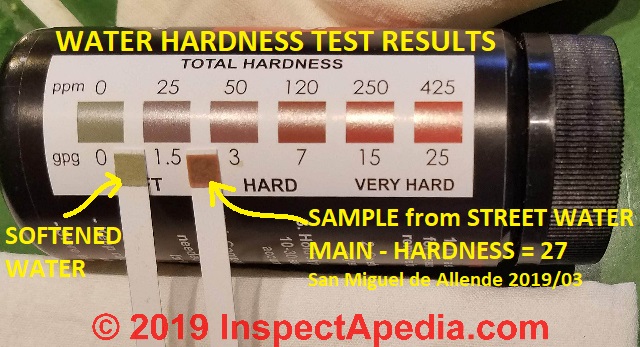
For a more scientific touch, grab a water hardness test kit from a local hardware store or online. These come with little paper strips you dip into a glass of tap water for a few seconds. The strip changes color, and you match it to a chart—like a paint swatch for your pipes!
This method gives you actual numbers: grains per gallon (gpg) or parts per million (ppm). Suddenly, you’re not just guessing—you’re a water detective. And isn’t it satisfying to know exactly what you’re dealing with?
 4 Ways to Test Water Hardness (Easy Methods)
What to Do With Your Results?
If your water is soft (under 1 gpg), give yourself a high-five—you’re already living the easy life. If it’s moderately hard (3-7 gpg), don’t panic! You might just need a simple filter or a water softener system. Hard water above 10 gpg? Congrats, you’ve got a mineral-rich fountain—but it’s time to upgrade your appliance care.
Once you know, you can tackle soap scum on your shower doors, make your coffee taste less bitter, and even keep your laundry brighter. It’s like giving your home a little tune-up. And honestly, learning this stuff makes you feel legendarily handy—even if you can’t fix a leaky faucet.
Why This Makes Life More Fun
Think of it this way: testing water hardness turns a boring chore into a science experiment in your own kitchen. You get to shake bottles, watch colors change, and declare yourself the primary water authority of your household. Plus, you can impress guests by casually mentioning, “Ah, our calcium levels are optimal today.”
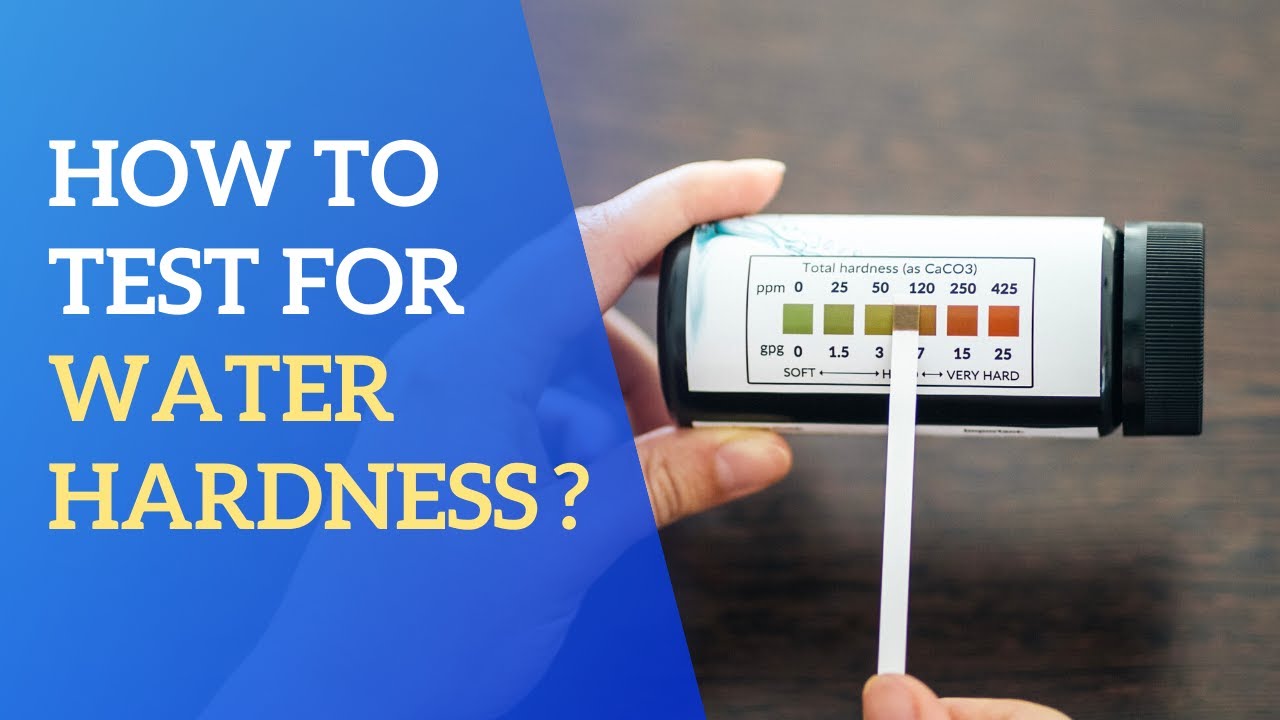 Water Hardness Test Strips - How To Test For Water Hardness? - YouTube
It’s also a fantastic conversation starter. Imagine telling your neighbor, “I discovered our water is at 8 gpg—time to bring out the big guns!” They’ll either be fascinated or mildly confused, but either way, you’re the star of the block.
Uplifting Final Note
So go ahead—grab that bottle, shake it like you’re making a cocktail, and dive into the wonderful world of your home’s water. The knowledge you gain is a small key that unlocks a bigger, shinier, less-scaly life. You’re not just testing H₂O—you’re taking a tiny, brave step toward mastering your environment.
And here’s the real secret: every bit of curiosity you feed makes you more awesome. Whether your water is hard, soft, or somewhere in between, you are the solution. So test on, fearless reader—your pipes (and your skin) will thank you. Now get out there and make some bubbles!
