How To Test For Iron In Water

So, you’ve noticed your water looks a bit… rusty? Maybe it tastes like you licked a cast-iron skillet, or your pristine white laundry has turned a disturbing shade of orange....
So, you’ve noticed your water looks a bit… rusty? Maybe it tastes like you licked a cast-iron skillet, or your pristine white laundry has turned a disturbing shade of orange. Congratulations, you might have a case of iron in your water! It’s not a crisis, but it’s definitely a “huh, that’s weird” moment. Let’s figure out if your tap is secretly training for the Ironman Triathlon.
Why Should You Even Care?
Iron isn’t toxic like lead, so you won’t grow a third ear from drinking it. But it will turn your toilet bowl into a Jackson Pollock painting and make your coffee taste like a spoonful of dirt. It’s mostly a nuisance mineral, a party crasher that stains sinks, ruins plumbing, and makes water smell vaguely swampy. Testing is the first step to evicting this unwelcome guest.
The Five-Second “Eyeball Test” (No Science Degree Required)
Fill a clear glass with cold water and hold it up to the light. If it looks like yellow, reddish, or tea-colored, you’ve got oxidized iron—the kind that’s already having a party in your glass. If it’s crystal clear but stains everything it touches, you’ve got “clear-water iron” (a sneaky ninja form). You’ll need to notice after the water sits for a few hours; if rust-colored sediment settles at the bottom, bingo.
Must Read
The “Smell and Taste” Gambit
Take a tiny sip. Does it taste metallic or like you’re chewing on a penny? Swirl it in your mouth (don’t be shy) and sniff it. Iron often has a faintly sour or skunky odor, especially if sulfur bacteria are hanging out with it. If it reminds you of your gym’s resistance bands, you’re probably onto something.
Level Up: The At-Home Test Kits
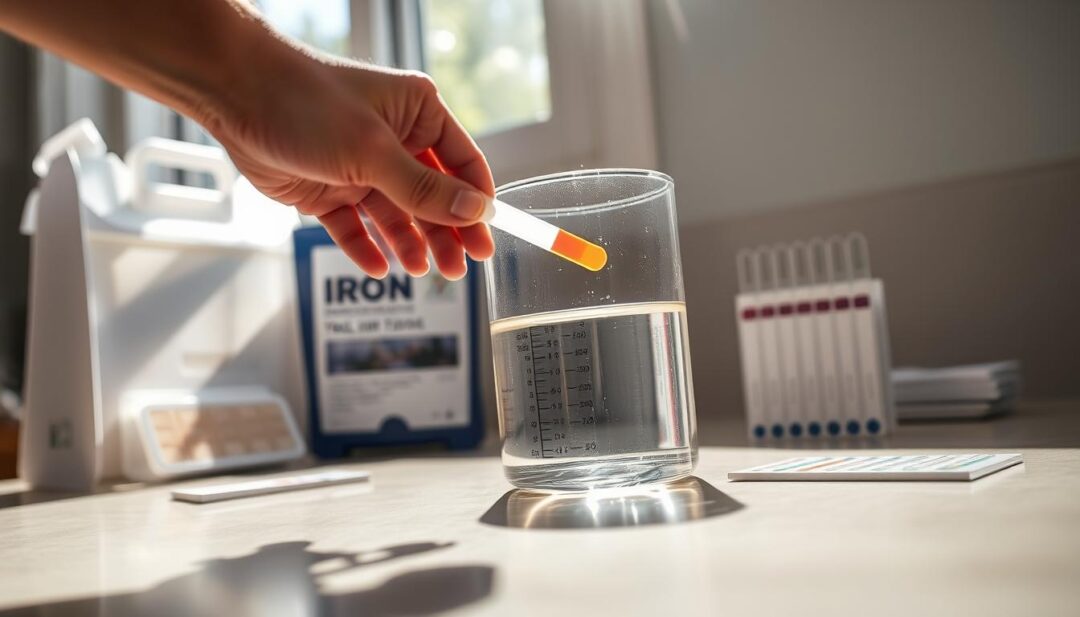
You can buy a simple test strip from any hardware store or online for under twenty bucks. It’s like a pregnancy test, but for your water—except you’re way more excited if it’s negative. Dip the strip in a glass of cold tap water for about five seconds, shake off the excess, and wait for the color to change. Match the color to the chart on the bottle. If it shows a deep orange or rust color, you’ve got iron levels higher than my caffeine dependency.
Pro tip: Buy a kit that tests both iron and pH. Why? Because low pH water makes iron dissolve faster, like sugar in hot coffee. Knowing both numbers helps you plan your next move (like buying a filter or a water softener).
The “Lab Lady” Method: Mail It In
If you want to be extra thorough (or just enjoy sending samples through the mail), order a mail-in water test. You fill a little bottle, ship it off to a lab, and get a detailed report. They’ll tell you not just iron levels, but also if there’s manganese, bacteria, or tiny creatures planning a coup in your pipes. It’s like getting a DNA test for your H2O, minus the awkward ancestry revelations.
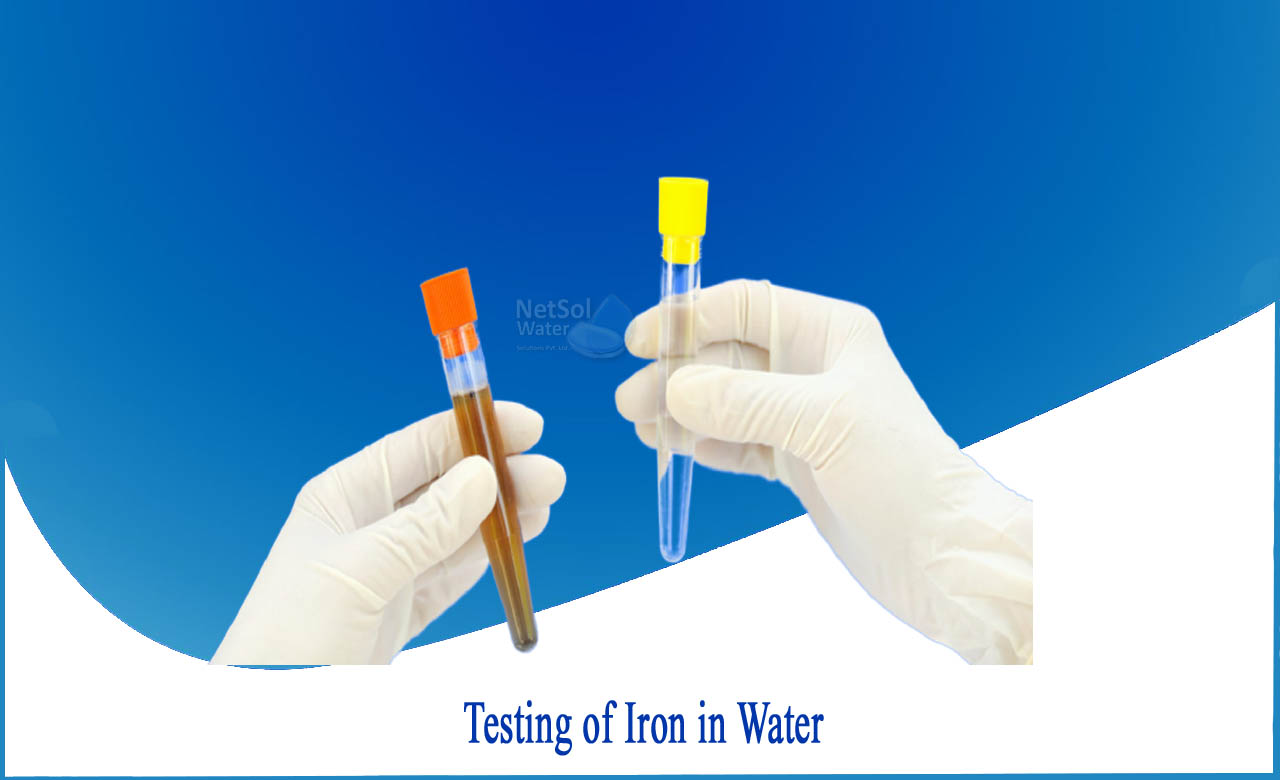 Iron Water Test
The “DIY Science” Method (For the Bold)
You can also test for iron using a clear plastic bottle, a dash of bleach, and some patience. Fill the bottle with water, add a few drops of bleach, and shake. If the water turns yellow or orange almost instantly, that’s iron oxidizing right before your eyes. It’s a bit like a magic trick, but the magician is your plumbing and the trick is “now your sink is stained.”
Alternatively, use a white cloth to filter a glass of water. If the cloth turns rusty orange after a few passes, you’ve got iron. This is basically the “cheap coffee filter” test, and it’s shockingly accurate.
What the Numbers Mean (Don’t Panic)
Healthy iron levels in water are below 0.3 mg/L. Above that, you’ll start seeing stains, metallic taste, and possibly tiny orange spiders in your tub (okay, not spiders, but floating iron particles). Levels between 0.3 and 1.0 mg/L are annoying but fixable with a $30 pitcher filter. Above 10 mg/L? You’ve got “well water with a side of metal factory.” Time to call a water treatment pro—or build a moat.
The Final Goofy Check: The Iron “Fingerprint” Test
Pour some water into a white bowl and let it evaporate overnight. If you wake up to a rusty, powdery ring at the waterline, that’s iron residue. It’s like your water left a messy fingerprint on crime scene. Case closed, Sherlock.
 Iron Level Water at Crystal Yazzie blog
And if you’re feeling especially silly, try the “toothbrush test.” Dip an old, dry toothbrush into the water, let it air-dry, and see if the bristles turn reddish. If yes, your water would make a terrible dentist but an excellent rust manufacturer.
So You Found Iron. Now What?
Take a deep breath. You’re not doomed to drink from a rusty bucket. A basic whole-house filter ($200-$500) handles most iron levels, while a water softener can trap low levels. For extreme cases (over 15 mg/L), an oxidation filter or even a green sand filter will do the trick. It’s all fixable, and your laundry will thank you.
Remember: You’re not a hydrologist, you’re a detective—and you’ve solved the case. You now know more about your water than 90% of your neighbors. High five!
Conclusion: Testing for iron is like checking if your pet goldfish has a bad attitude—it’s better to know early. And whether your water is clear, rusty, or smells like a medieval dungeon, you now have the power (and a few silly at-home tricks) to fix it. You’ve got this. Go forth, test your water, and remember: even if your tap is a tiny bit ferrous, your spirit doesn’t have to be. Cheers to clean, happy hydration!
