How To Measure Water Hardness

Let’s be honest: you probably don’t think about your water very often. You turn on the tap, it flows, and life goes on. But one morning, you notice your coffee maker is acting...
Let’s be honest: you probably don’t think about your water very often. You turn on the tap, it flows, and life goes on. But one morning, you notice your coffee maker is acting grumpy, or your shower head is singing a sad, sputtering song. That, my friend, might be the moment you meet hard water.
Why Should You Even Care?
Hard water isn’t a villain, but it’s a bit of a nuisance. It’s the reason your dishes come out looking cloudy, like they’ve been through a tiny fog machine. It’s also why your soap refuses to lather, leaving you feeling slightly sticky instead of squeaky clean.
And that white, crusty stuff around your faucet? That’s scale. Think of it as the stubborn fossil record of your water’s mineral content. Knowing your water hardness isn’t just for science geeks; it’s for anyone who wants a happy washing machine and a shiny coffee pot.
Must Read
The Simple "Soap Suds" Test (The Human Way)
Let’s start with a test you can do without buying a single thing. Fill a clean, clear jar or a tall glass with tap water. Add about ten drops of pure liquid dish soap—not the ultra-concentrated, suds-boosting kind, just the basic stuff.
Put the lid on and shake it up like you’re making a tiny margarita. If you see a big, fluffy pile of suds sitting on top of clear water, congratulations! You have soft water. If you get a thin layer of suds and the water below looks murky or milky, you’ve got hard water. The cloudiness is the soap reacting with minerals.
Get a Bit Fancy: The Test Strips
If the jar test feels too much like a messy science fair project, grab a pack of water hardness test strips. You can find them at any hardware store or online for a few bucks. They are basically the cheat code of water testing.
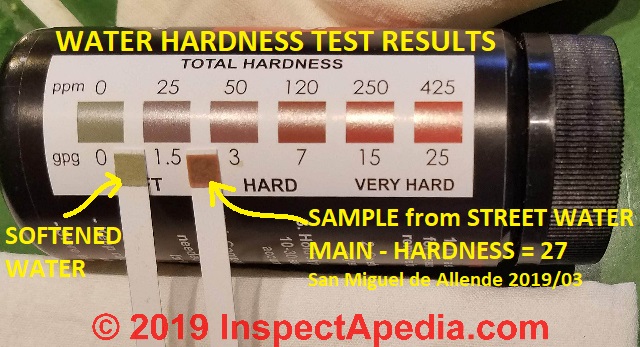
Dip the strip into a glass of cold tap water for a second, then hold it still for about 30 seconds. The pad on the end will change color. Compare that color to the chart on the bottle, and boom—you’ll see a number, usually in grains per gallon (gpg) or parts per million (ppm).
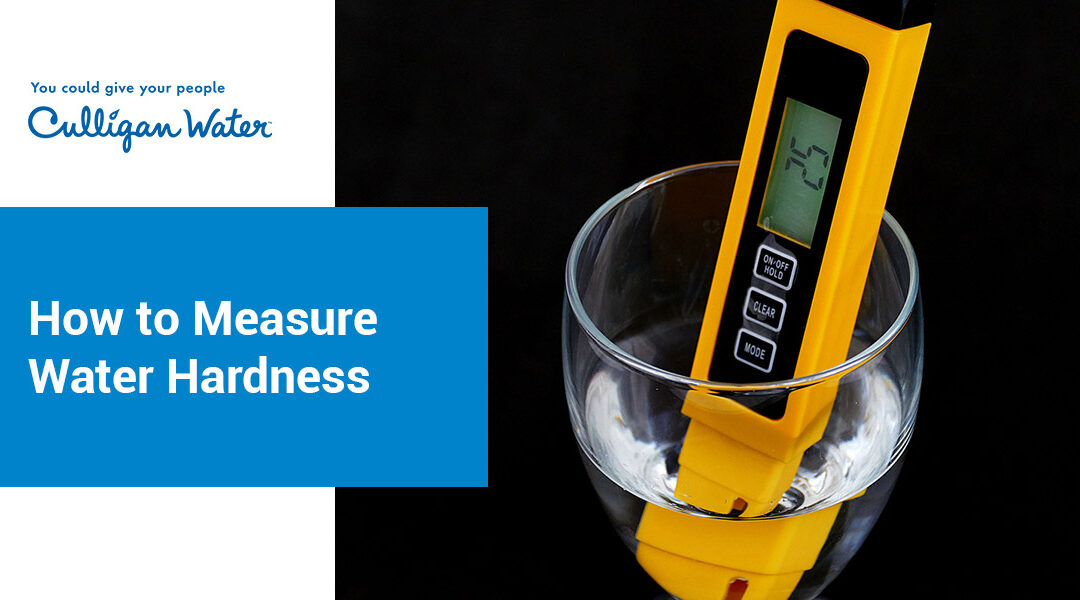 How To Measure Water Hardness At Home at Ava Lazarev blog
Quick guide: Less than 1 gpg is soft. 3 to 7 is moderately hard. Anything above 10.5 gpg is very hard, and your appliances are probably writing passive-aggressive notes to you.
The Professional Approach: A Water Lab
Maybe you’re a data nerd, or maybe you’re just really suspicious of your local tap water. For the ultimate accuracy, you can send a sample to a lab. Some local county health departments or water treatment companies will do this for free or a small fee.
You just collect a small sample in a sterile bottle, mail it off, and wait for a detailed report. This test will even tell you exactly which minerals (like calcium and magnesium) are crashing your party. It’s the most reliable, but it’s also the most effort—like going to the doctor instead of WebMD.
My Personal Water Battle
I once lived in an apartment where the water was so hard, it felt like taking a shower in a slightly aggressive sandbox. My hair turned brittle, and my kettle looked like it was growing a white coral reef inside it. I finally bought a cheap test strip, and the color practically glowed with hardness.
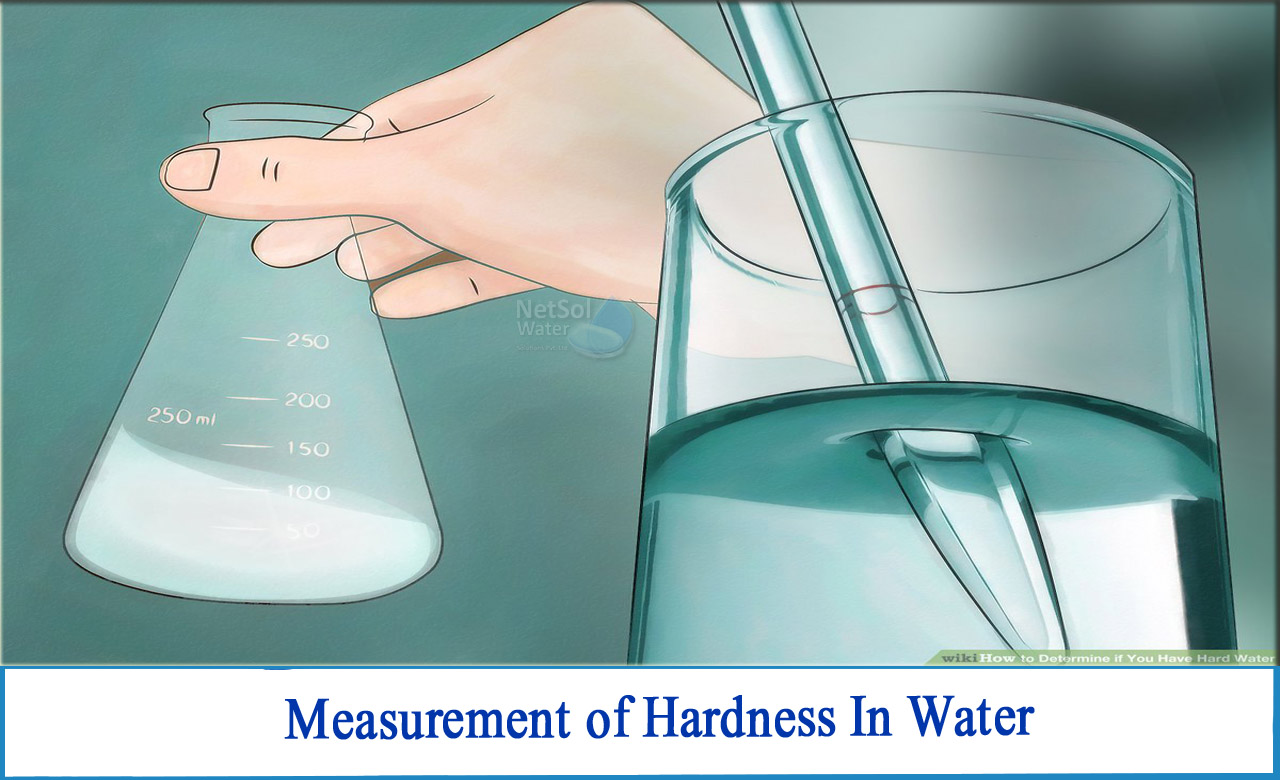 4 ways to measure water hardness _ how to check water hardness – PBFF
I learned that my dishwasher needed a rinse aid, and my coffee maker needed a vinegar flush every month. It wasn’t a perfect fix, but knowing the enemy made the battle so much easier. Ignoring it just meant paying for a new water heater sooner than I wanted.
What to Do With Your Results
So you know your water is hard. Now what? Don’t panic. You don’t have to install a giant water softener in your basement like some kind of plumbing wizard. Start small.
Use a descaling solution in your appliances. Add a pinch of salt to your laundry to help the soap work better (yes, it’s a real trick). Or, if you’re really annoyed, look into a simple showerhead filter that costs about as much as a good pizza. The point is, awareness gives you power.
A Little Empathy for Your Pipes
Think of hard water like a friendly but clumsy house guest. It means no harm, but it leaves a mess everywhere it touches. By measuring it, you’re basically setting boundaries. Your dishes will sparkle. Your skin will feel softer. And your appliances will thank you with a longer, quieter life.
So grab a jar or a test strip, and give your water a little personality check. You might be surprised at what you find—and it’s the first step to getting along with the liquid that runs your house.
