How To Get Rid Of Rusty Water

Last Saturday, I turned on my kitchen faucet, expecting a crystal-clear stream to fill my coffee pot. Instead, a gush of orange-brown sludge came roaring out, looking like som...

Last Saturday, I turned on my kitchen faucet, expecting a crystal-clear stream to fill my coffee pot. Instead, a gush of orange-brown sludge came roaring out, looking like something from a horror movie. My first thought wasn't "rust," it was "did a pipe just die in here?" I stood there, holding a mug that now looked like a science experiment gone wrong.
That's the moment I realized rusty water is everyone's problem at some point. It’s gross, it stains everything from your white laundry to your tub, and it tastes like you're licking a cast-iron skillet. But before you call the plumber in a panic, let’s get one thing straight: rusty water rarely means you're in danger—it just means you've got a mineral party happening in your pipes.
Step 1: The “Is It The City or My House?” Test
First, you need to play detective. Run the cold water from your bathtub for about two minutes—if it turns clear, the rust is probably sitting in your home's pipes. If it stays orange for over five minutes, the problem might be coming from the main water supply.
Must Read
Next, call your neighbor. If their water looks like a weak iced tea too, it's a city-wide issue. (Yes, you get to be mad at the municipality for a hot minute.) If only your tap is rusty, then the blame rests on your own plumbing—usually old galvanized steel or iron pipes.
Step 2: The Flush-Out Method (Your First Weapon)
If the rusty water is just from a disturbed sediment—like after a nearby fire hydrant was used or you turned the main valve back on—a simple flush can save you. Open the coldest faucet in your house (usually the basement or an outside spigot) and let it run for 10–15 minutes.
Don't do this with hot water! Hot water dissolves rust faster and will make the problem ten times worse. You'll know it's working when the color shifts from dark brown to pale yellow, then finally to clear. Patience, my friend. It feels like watching paint dry, but it works.
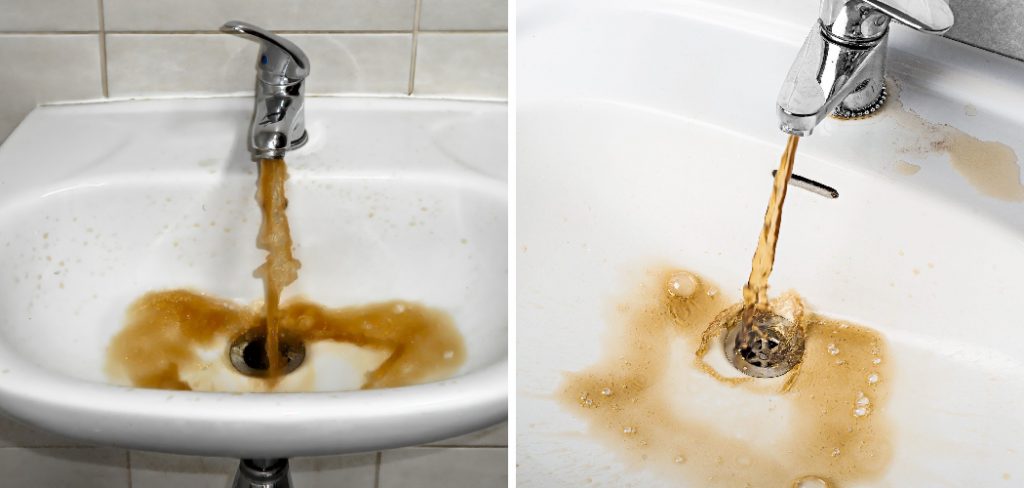 How to Remove Rust From Tap Water | 5 Easy Steps (2025)
Step 3: Check Your Water Heater (The Sneaky Culprit)
Here's a twist: sometimes, rusty water only appears with hot water. That means your water heater is slowly turning into a rusty tomb. If your hot water looks like mud, you need to flush the tank. Turn off the heater (and the gas/electricity!), attach a garden hose to the drain valve at the bottom, and let that nasty sediment flow out.
Warning: Do this once a year, or you'll end up with a heater that sounds like it's trying to brew coffee for a zombie apocalypse. If the water runs clear after flushing, you’re a hero. If not, your anode rod inside the heater might be completely corroded—time to replace it or the whole unit.
Step 4: The Whole-House Solution (For the Serious Rust)
If flushing doesn't cut it, you probably have ongoing corrosion inside your pipes. That's when you stop using short-term fixes and talk about a water softener or an iron filter. A whole-house sediment filter (usually a blue spin-down filter) catches the big rust flakes before they reach your faucet.
For truly stubborn cases, you might need an oxidation filter that uses air or chemicals to turn the dissolved iron into particles you can flush away. It sounds high-tech, but it's basically a magic tank that makes your water stop looking like it came from a swamp. (Your shower will thank you—no more orange toenails.)
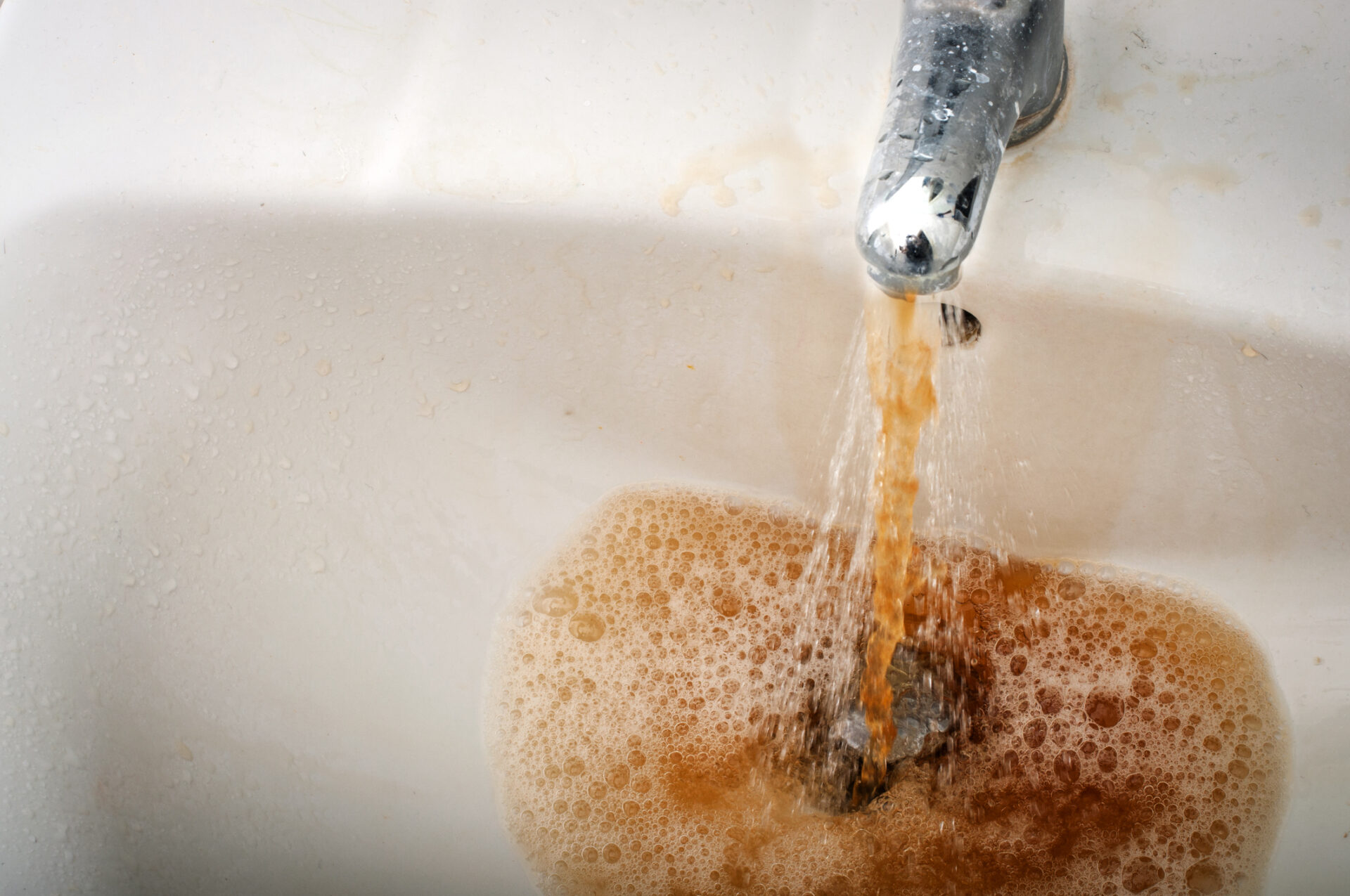 4 Effective Ways To Treat Rust In Your Well Water
Step 5: The “Do Not Drink This” Moment
Look, rust is mostly iron oxide—your body actually needs iron. But drinking water that looks like Nickelodeon slime is not good for your kidneys or your sanity. While it's usually safe, it can taste metallic and might upset your stomach if you chug it.
If you need water right now, fill a pitcher and let it sit in the fridge for an hour—the rust particles will settle at the bottom. Or use a Brita filter that catches iron. Just don't boil it! Boiling concentrates the rust and makes the water more disgusting.
When To Wave The White Flag (Call a Pro)
If you've flushed everything, checked the heater, and the water still looks like a murky river, you might have a broken main line or a pipe that's actually disintegrating. If your water pressure suddenly drops along with the rust, that's a red flag. Also, if you notice a rotten egg smell alongside the rust, you've got bacteria feeding on the iron—that's a problem for a plumber, not a Google search.
I ended up buying a $50 sediment filter for my house after that morning disaster. It took 20 minutes to install, and I haven't seen orange water since. So go ahead, try the flush first. You might just save yourself a headache—and a very ugly coffee mug.
