What Does Tasting Metal Mean

Imagine biting into a spoon. Not the food. The spoon itself. That weird, electric, almost metallic zing? You’ve tasted it. What is that? It’s Not Actually Metal Here’s the ki...
:max_bytes(150000):strip_icc()/What-causes-a-metallic-taste-in-your-mouth-4140279-v1-44511410a057428f869f6d72788fc62a.jpg)
Imagine biting into a spoon. Not the food. The spoon itself. That weird, electric, almost metallic zing? You’ve tasted it. What is that?
It’s Not Actually Metal
Here’s the kicker: you’re not tasting the spoon. Metal atoms are too big for your taste buds to register. You’re tasting you. Specifically, your own blood or saliva reacting with the metal.
Think of it like a tiny battery on your tongue. The metal and your saliva create an electric current. This jolt zaps a chemical reaction, releasing aldehydes and ketones. Those are the weird flavors your brain interprets as “metal.”
Must Read
Why Your Mouth Goes Zing
Taste that metallic zing after a bloody nose? That’s the iron in your blood. Your tongue detects ferrous ions (iron). It’s a survival instinct—your body shouting, “Hey! Bleeding! Check it out!”
But you can taste metal without a drop of blood. A simple lemon slice against a tin can? Boom. Acid reacts with the metal, creating those ions. Your tongue is just a very dramatic alarm system.
Weirdest Causes of “Metal Mouth”
Pregnancy, chemo, and even zinc lozenges can flip that switch. Zinc lozenges? Their whole job is to trick your mouth into tasting metal. It’s why they supposedly work against colds—they annoy your taste buds into submission.
Ever pop a multivitamin and suddenly feel like you licked a coin? That’s certain vitamins (like copper and iron) dissolving. Your tongue throws a tiny tantrum every time.
The Grossest Party Trick
Want to taste metal without touching metal? Hold two different coins in your hand and touch them to your tongue. (Don’t actually do this with dirty coins. Gross.)
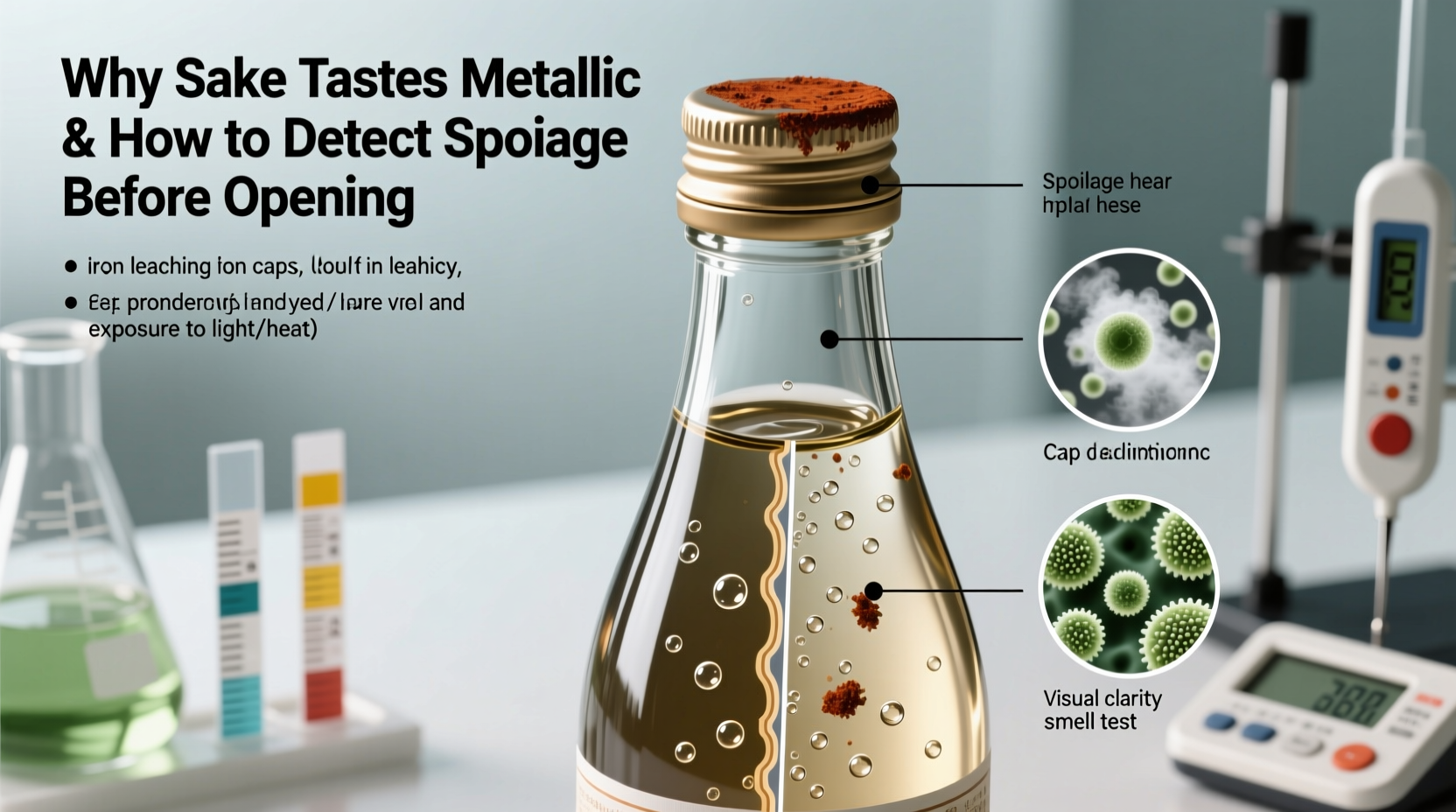 Why Does My Sake Taste Metallic And How To Detect Spoilage Before Opening
This is called galvanism. It’s the same principle as the coin battery trick you did in science class. Different metals create a voltage. Your saliva is the electrolyte. Congratulations—you just invented a tongue-powered battery.
A Quick Word on Fillings
If you have old silver fillings (amalgam), you might taste metal after eating something acidic. That filling and the new gold crown next to it? They don’t get along. Your mouth becomes a tiny chemistry war zone. Delightful, right?
When “Permanent” Metal Taste Is a Red Flag
A constant metallic taste—without a clear cause—can mean something else. Gum disease is a common culprit. The bacteria produce volatile sulfur compounds. Your brain reads them as “metal.”
Other sneaky sources: sinus infections, kidney problems, or even a copper IUD (yep, that’s a thing). Oh, and antihistamines can dry out your mouth, making the metal taste louder. Your tongue is basically a loudspeaker for your health.
The Fun Science of “Phantom” Metal
Here’s the trippiest part. Your brain can make you taste metal when there’s no metal at all. It’s called phantogeusia. Like a ghost in your mouth.
 What Causes Of The Metal Taste In Your Mouth
Ear infections or nerve damage can trick your brain into sending a “metallic” signal. Brain scans show that the same area that processes real metal taste lights up for phantom metal. Your tongue is a liar. A very convincing liar.
How to Kill the Metallic Monster
Got a random metal taste? Sip lemon water. Acid can sometimes reset your taste buds. Or eat something with baking soda (like a cracker). It neutralizes the electrical reaction.
Brush your tongue. No, really. That metal taste could just be leftover coffee or a sneaky bit of plaque. Your tongue is a petri dish. Clean it.
Why This Topic Is Pure Gold
You now know a secret. You can taste electricity. You can taste blood without seeing a drop. Your tongue is a chemical detective, a health alarm, and a joker all in one.
Next time you get that zing, smile. It’s your body being weird and wonderful. And if someone says, “This tastes metallic,” you can say, “Actually, it’s your saliva having a tiny rave.”
You’re welcome.
:max_bytes(150000):strip_icc()/What-causes-a-metallic-taste-in-your-mouth-4140279-v1-44511410a057428f869f6d72788fc62a.jpg&description=What+Does+Tasting+Metal+Mean)