What Does Decaf Coffee Means

So, you’re staring at a menu, and there it is: decaf coffee. Your brain immediately screams, “What’s the point?” I get it. It sounds like a joke, right? Like a square wheel or...

So, you’re staring at a menu, and there it is: decaf coffee. Your brain immediately screams, “What’s the point?” I get it. It sounds like a joke, right? Like a square wheel or a silent alarm clock.
But let’s slow down and actually chat about it. What does decaf coffee really mean? Spoiler: it’s not just “coffee that’s given up on life.” It’s a whole science experiment masquerading as a drink.
The Basic Definition (No, It’s Not ‘Waste of Time’)
At its core, decaf stands for decaffeinated coffee. That means someone removed about 97% of the caffeine from the beans. Yes, 97%. Not 100%, because that would be coffee purist blasphemy.
Must Read
Think of it as coffee’s chill cousin. It still has the flavor, the warmth, and the comforting brown color. It just won’t make you vibrate out of your chair.
But here’s the thing: how do they rip the caffeine out without wrecking the taste? That’s the part that sounds like a heist movie.
The Magic Trick (With Chemicals or Water)
There are three main ways to decaf coffee. First, there’s the Swiss Water Process. It sounds fancy, right? They soak the green beans in hot water to dissolve the caffeine. Then they run that water through a carbon filter that gobbles up the caffeine like a hungry monster.
Then they put the beans back into that decaf water. It’s like doing laundry for coffee. The beans reabsorb their flavors, minus the zing. Very neat, very polite.
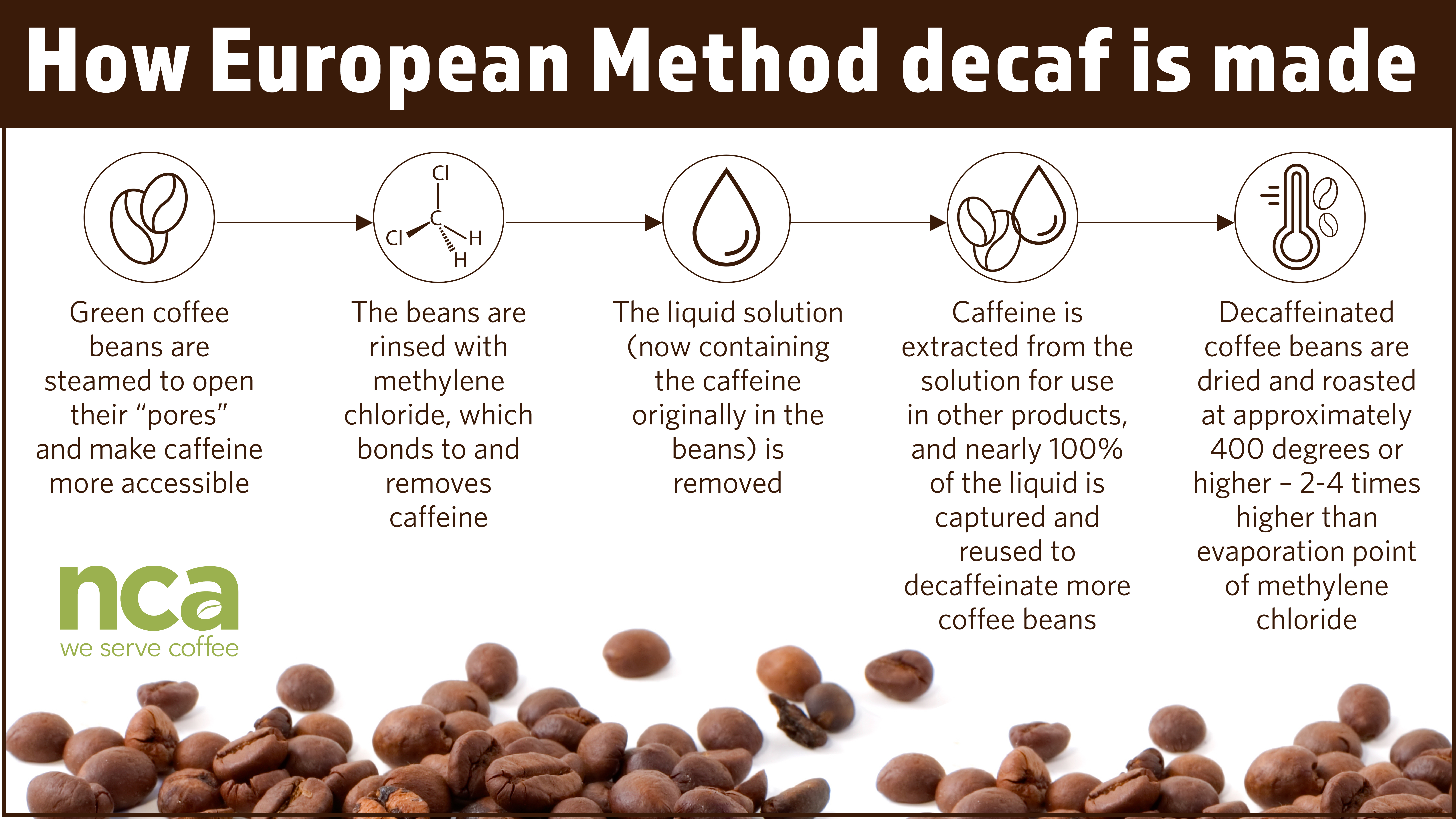
Then there’s the direct solvent method. That’s where they use a chemical like methylene chloride or ethyl acetate. Don’t freak out—the amounts are tiny. The chemical attaches to caffeine molecules and gets steamed away. It’s like bribing the caffeine to leave.
Finally, there’s the CO₂ process. They use pressurized carbon dioxide to pull out the caffeine. It’s like giving the beans a spa treatment with fizzy water. Sci-fi, but delicious.
But, Like… Why Would You Do That?
Good question. Maybe you’re a stressed-out mom who loves the taste but not the panic attack. Or you’re trying to sleep before 3 AM. Or, and this is common, your doctor told you to after you proudly declared you drink coffee “like it’s water.”
 Swiss Water Process & Coffee Decaffeination | Passport – Passport
Decaf is for people who want the ritual without the rocket fuel. The aroma. The mug warmth. The tiny spoonful of sugar. It’s emotional support coffee.
And let’s be real: sometimes you just want a second cup at 8 PM without staring at the ceiling until sunrise. Decaf lets you have that. You still get the vibe, but your heart doesn’t try to breakdance.
The Big Myth: Does Decaf Taste Like Burned Socks?
I hear this a lot. “Decaf is bitter and sad.” And honestly, some of it is. Cheap decaf can taste like a regret-filled Tuesday. But good decaf? It’s a revelation.
Here’s the secret: freshness matters more. Decaf beans are more fragile. They oxidize faster because the caffeine removal process opens them up. So if you buy a bag that’s been sitting for six months, yeah, it’ll taste like floor sweepings.
But a freshly roasted decaf from a good roaster? It can be smooth, nutty, and even sweet. I’ve had a decaf espresso that made me forget it had no kick. That’s the goal.
The Science-y Part (Just a Tiny Bite)
Caffeine is a natural pesticide. It keeps bugs from eating the coffee plant. So when you remove it, the bean has less bitterness. Some people actually prefer the taste of well-made decaf because of that.
But here’s a plot twist: decaf coffee still has all the antioxidants and health benefits of regular coffee. Lower cholesterol risk? Check. Liver love? Check. Just without the jittery side effects. So it’s like getting a hug without the spinning.
![How Decaf Coffee is Made - Easy to Follow Guide [with Infographic]](https://homecoffeeexpert.com/wp-content/uploads/2022/05/Featured-How-Decaf-Coffee-is-Made.jpg) How Decaf Coffee is Made - Easy to Follow Guide [with Infographic]
How Decaf Coffee is Made - Easy to Follow Guide [with Infographic]
One thing to note: decaf has a tiny amount of caffeine. Like 2-5 mg per cup, compared to 95 mg in regular. So if you’re super sensitive, it might still give you a little buzz. Not enough to fly, but enough to feel you had something.
How to Order It Without Feeling Like a Traitor
Don’t be shy. Just ask for a decaf latte, cap, or pour-over. Baristas won’t roll their eyes (most of them). They drink decaf too, especially on their days off. I’ve seen a barista chug decaf after a double shift. It’s a thing.
Pro tip: ask for a half-caff if you’re easing in. That’s half regular, half decaf. You get a gentle nudge, not a 15-hour marathon. It’s the perfect gateway drug.
And if someone gives you grief? Remind them that decaf has saved countless friendships. “I’ll have tea” is a conversation stopper. “I’ll have a decaf Americano” keeps the coffee shop vibe alive.
The Final Sip
So, what does decaf coffee mean? It means you still get the morning ritual without the afternoon crash. It means you can enjoy a warm mug at 9 PM and still sleep like a log. It’s coffee’s soft, fuzzy slipper version.
Is it for everyone? No. Some people need that chemical thunderbolt to face the world. But for the rest of us—the ones who love coffee but don’t want to live inside a fog horn—decaf is a hero. It’s a choice. A smart choice.
Now, go pour yourself a cup. Decaf. Regular. I don’t care. Just enjoy it. And if you’re still suspicious, try a good one. It might change your whole vibe.
