Does Water Expire In Bottles

Ever found a dusty bottle of water at the back of your pantry and wondered, "Is this still okay to drink?" It’s a fair question, because water is supposed to be the ultimate s...
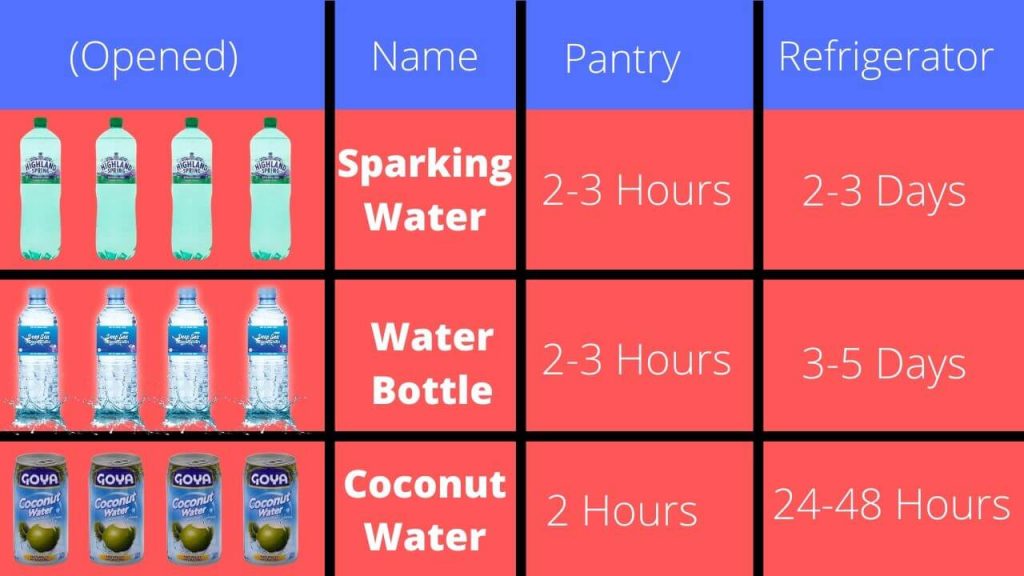
Ever found a dusty bottle of water at the back of your pantry and wondered, "Is this still okay to drink?" It’s a fair question, because water is supposed to be the ultimate simple thing, right? Yet here we are, staring at an expiration date like it’s a cryptic message. Let’s dig in, but keep it chill—no science lab coats required.
Does water itself really go bad?
Here’s the cool part: pure water (H₂O) doesn’t actually expire in the way milk or bread does. Water molecules are ancient—they’ve been around for millions of years, cycling through clouds, rivers, and your own body. So no, the water inside the bottle isn’t plotting to turn into something nasty on its own.
But wait—if it’s just water, why do bottles have those printed dates? That’s where the bottle enters the story, not the water itself. The plastic or glass container is the real character here, and it gets a little dramatic over time.
Must Read
The sneaky villains: plastic and air
Most bottled water sits in plastic, and plastic is not forever. Over months or years, chemicals like antimony (from PET plastic) can slowly leach into the water. It’s usually a tiny amount, but it can affect taste and, in theory, add a weird flavor—like old Tupperware meets swimming pool.
Then there’s the air that sneaks in. Even sealed bottles have a tiny bit of oxygen inside, and over time, that oxygen can mingle with minerals or mold spores if the water isn’t treated perfectly. Ever tasted water that’s just… flat or slightly metallic? That’s the aging process in action.
Why the date on the label is mostly for show
That “best by” date? It’s not a health warning—it’s a quality suggestion. Manufacturers use it to assure you the water will taste fresh and crisp, like it just came from a mountain spring. After that date, the water is still safe, but it might lose its vibrancy—think of it as a stale potato chip versus a fresh one.
In fact, the FDA doesn’t even require expiration dates on bottled water, unless it’s baby water. So what you’re really seeing is a marketing promise, not a safety alarm. Pretty wild, right?
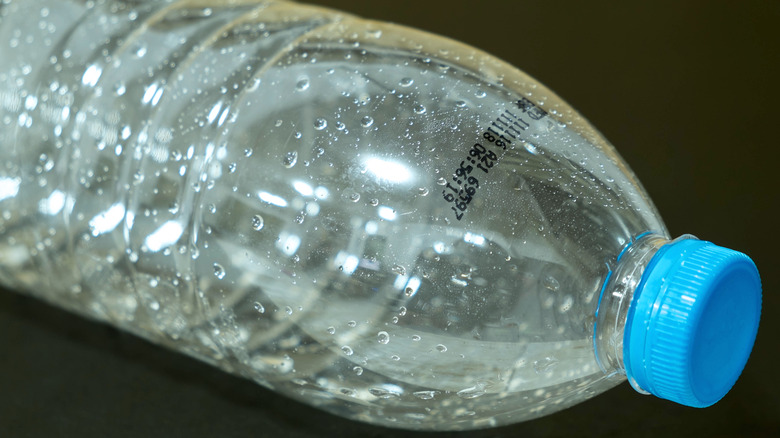 Does Bottled Water Actually 'Expire'?
What about glass bottles or fancy containers?
Glass bottles are the heroes here. They don’t leach chemicals, and they block air better than plastic. Water in a glass bottle can last years without any taste change, assuming the seal stays intact. It’s like water in a time capsule—just as refreshing a decade later.
Aluminum cans and boxes (like Tetra Pak) are also solid options. They keep light and oxygen out, so the water stays neutral. But plastic? That’s where the clock ticks a little faster. The fun comparison? Plastic bottles age like a fast-food burger, while glass bottles age like a fine wine—minus the alcohol, of course.
So, can you drink old bottled water?
Short answer: Yes, probably. If the bottle looks normal (no weird bulges, leaks, or funky colors), and it smells fine, you’re good. Your own senses are the best expiration test—trust your nose and taste buds more than a printed date.
That said, if the bottle has been sitting in a hot car or near a chemical smell, skip it. Heat speeds up plastic leaching and can turn water into something that tastes like a science experiment. So, keep bottles cool and out of direct sunlight if you’re hoarding them for the apocalypse.
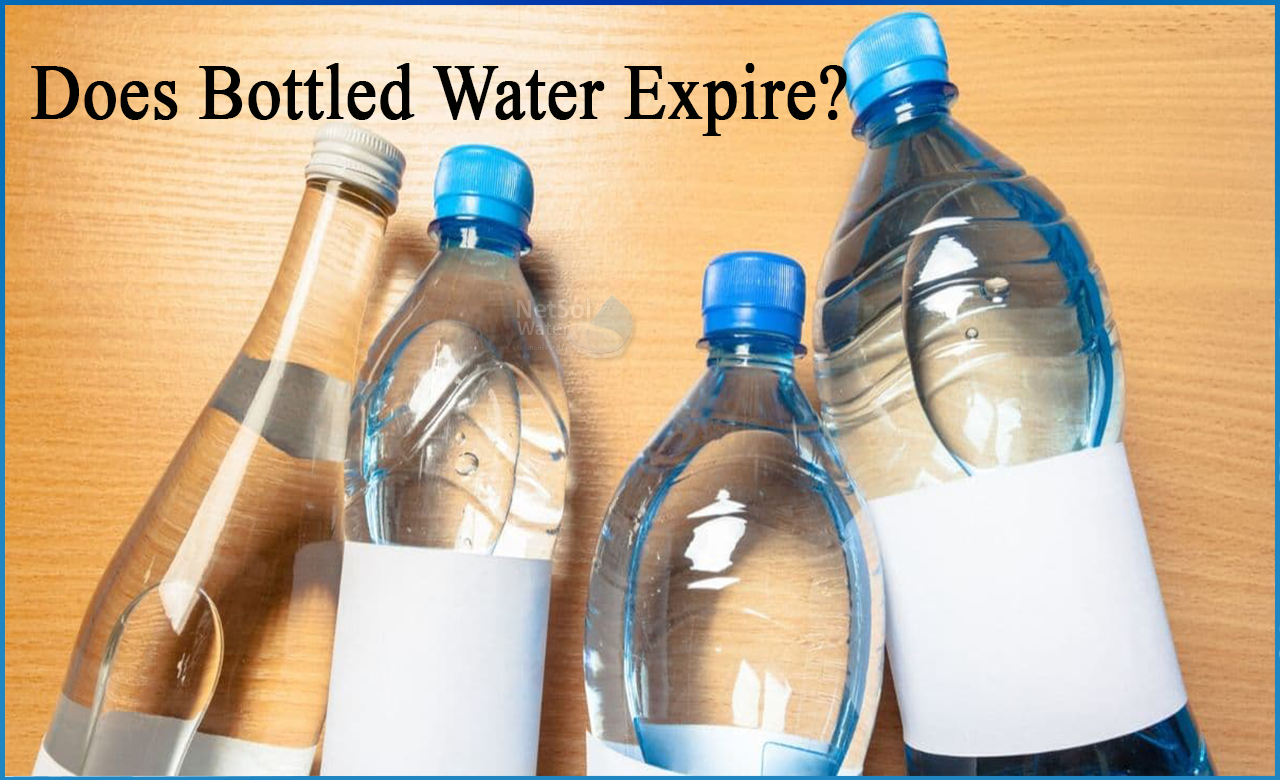 Does the bottled water expire? Netsol Water | Water Facts
The bigger picture: why this is actually fascinating
Think about it: water doesn’t expire—our containers do. It’s like saying air goes bad because your balloon wears out. That’s a neat reminder that nature is simple, but human packaging adds layers of complexity. We’ve invented a problem where none existed, just by putting water in plastic.
And here’s the kicker: tap water, straight from the faucet, has no expiration date. It flows, it gets used, it cycles. So why do we stress about bottles? Because we’ve been trained to think “freshness” equals “factory-sealed.” But water itself is timeless—it’s the bottle that’s the diva.
Final sip of wisdom
Next time you grab a dusty bottle from your stash, take a sniff. If it smells like plain water and the bottle isn’t crinkled or warped, drink up. You’re not chugging expired anything—you’re sipping ancient H₂O that just got a little lonely in a plastic shell.
And if it tastes off? That’s cool—pour it on your plants. They won’t care about the date, and neither should you. Water is life, not a deadline. So stay hydrated, stay curious, and maybe buy a glass bottle next time—for the vibes.
