Does Uv Light Kills Bacteria

Okay, let’s talk about something kind of sci-fi but also super real: UV light. You know, that purple-ish glow you see in clubs or maybe in some fancy water bottles? The big qu...

Okay, let’s talk about something kind of sci-fi but also super real: UV light. You know, that purple-ish glow you see in clubs or maybe in some fancy water bottles? The big question is: does it actually kill bacteria? And maybe more importantly, should you be buying that UV light wand thing you saw on TikTok? Grab your coffee, let's spill the tea—or maybe the sterilized tea.
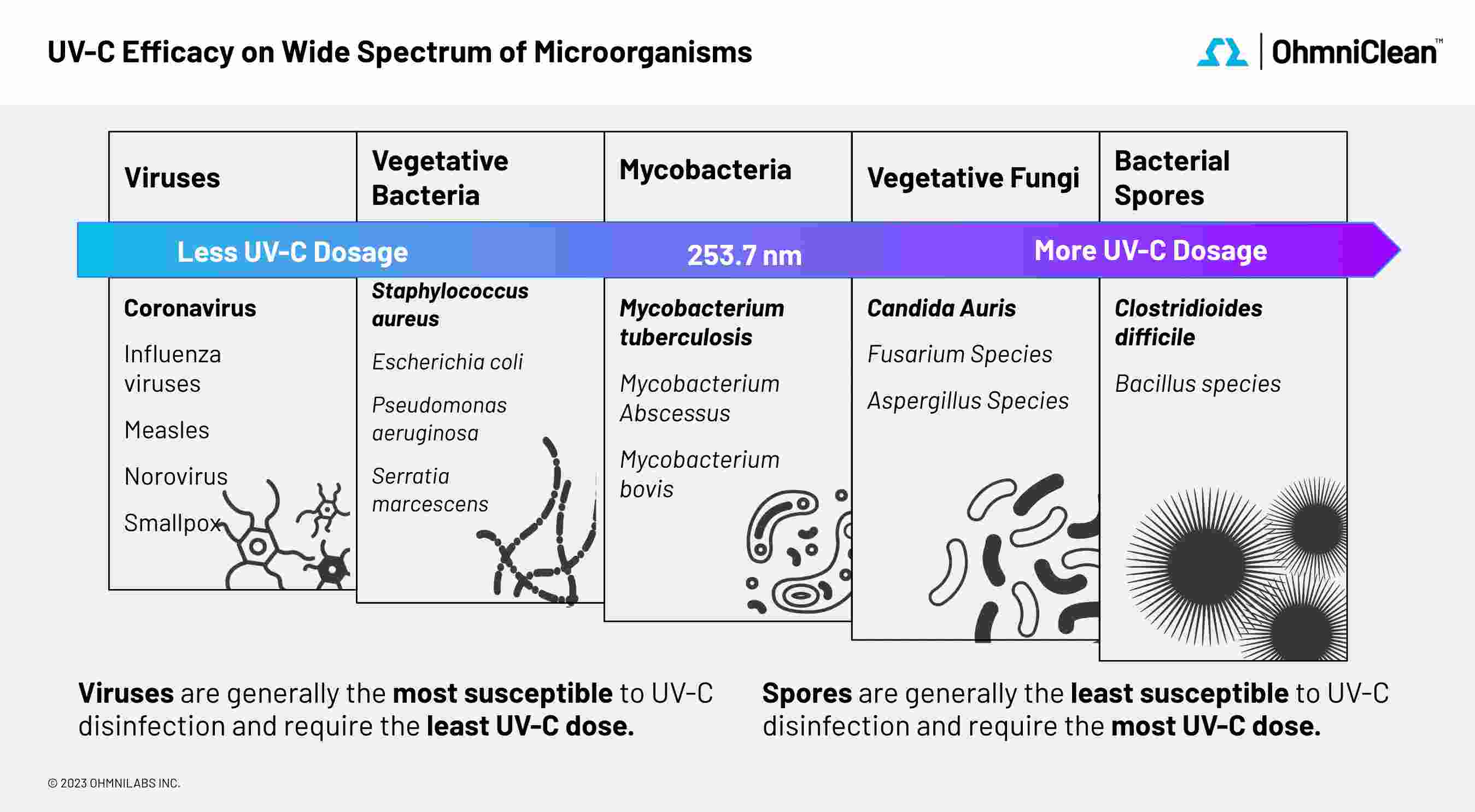
The short, glorious answer is: Yes, UV light can totally kill bacteria. But—and there’s always a “but,” right?—it’s not a magic ray that zaps every single germ in your house instantly. Think of it more like a really aggressive sunburn for microscopic bad guys.
The Science-y Part (Made Fun)
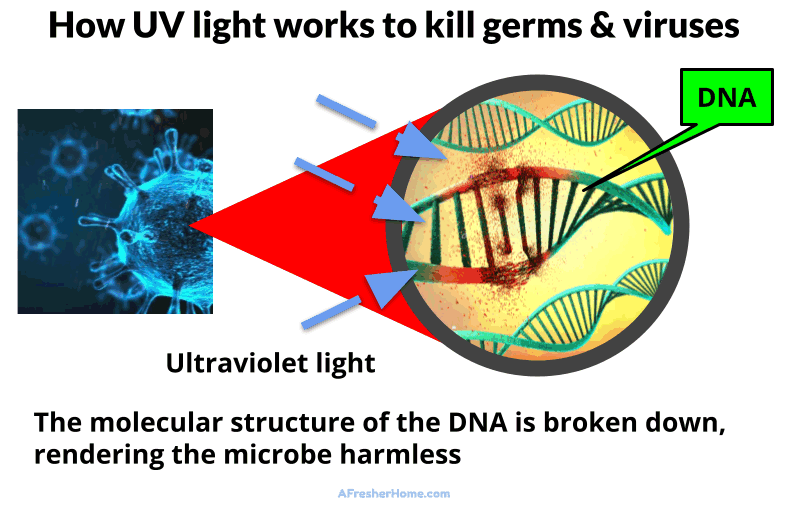
There are different flavors of UV light. The one we care about is called UV-C. It has just the right amount of nasty energy to mess with a bacteria's DNA. Imagine giving a tiny criminal a paper cut on their instruction manual. They can't reproduce, they can't cause trouble, and they basically just... die.
Must Read
It’s not like bleach that dissolves them in a chemical scream. UV light is more like a photographic killer. It zaps their genetic code, and they just stop working. Pretty metal, right?
But here’s the catch: direct exposure is key. UV light travels in a straight line. If that bacteria is hiding under a speck of dust, in a shadow, or behind a crumb, it’s basically wearing a tiny sunhat. The UV light will wave right past it, and the little bugger lives to fight another day.
So, Does That Clickbait Wand Work?
You’ve seen them. Those little handheld UV wands people wave over pillows and steering wheels. Look, they can work, but it’s a game of patience. You have to hold the light really close (like, inches away) and hold it still for several seconds on each spot. Just waving it around like a magic wand is about as effective as blowing on your soup to cool it down. It feels good, but it’s not really doing much.
 Uv Light Effect On Bacteria at Johnathan Olivar blog
And let’s be honest—are you that patient? Me neither. I’d rather just use a disinfectant wipe and be done in five seconds. UV is best for things you can’t wipe, like phone screens, keys, or that weird spot on your couch where you dropped a cookie three days ago.
One more thing: UV-C light is not friendly to your skin or eyes. It can cause sunburn-like burns on your skin and temporary (or permanent) eye damage. So if you buy one of those devices, read the manual. Don’t stare into the light like a moth. That’s amateur hour. Put the wand in a drawer, close it, and let it run. Safety first, folks.
The Good, The Bad, and The Useless
The good: UV light is amazing for water purification. That’s why those fancy water bottles use it. It nukes the bacteria swimming in your drink without making it taste weird. Hospitals use UV robots to clean empty rooms. It’s legit in the right context.
The bad: It’s not great on porous surfaces like fabrics or wood. Bacteria can hide in the tiny holes, and UV light doesn’t bend around corners. It’s like using a laser pointer to find your keys in a pile of laundry—useless.
 How Does Ultraviolet Light Kill Bacteria | Gas Furnace
The ugly: Some people think you can just leave a UV lamp on in a room and it will purify the air. Nope. That only works if the air is actively flowing past the light (like in an HVAC system). Just turning on a blacklight for the vibe? You’re just creating a mood, not a bacteria-free zone. Sorry.
Should You Buy One?
If you’re a germaphobe with cash to burn and a love for gadgets, a UV device for small items (like a phone sanitizer box) is actually handy. It’s quick, dry, and doesn’t use chemicals. But if you’re a normal human who just wants to keep your kitchen counters clean? Stick to soap and water. Seriously. UV light is cool tech, but it’s not a replacement for basic hygiene.
Also, a fun fact: UVA and UVB (the kind that comes from the sun) don’t kill bacteria well. That’s why you can’t just leave your dirty dishes in the sun and call it “sterilized.” You’ll just get sunburnt plates. And a very confused neighbor.
So, does UV light kill bacteria? Yes, but only if you’re smart about it. It’s a precise tool, not a miracle ray. Use it like a ninja, not a toddler with a flashlight. Now, go wash your hands. You know, the old-fashioned way. With soap. The UV light can watch.
