How Does E Coli Get In Water

Let’s be honest—when you hear the words “E. coli in the water,” your brain probably jumps to a worst-case scenario involving frantic sprints to the bathroom and regretting tha...
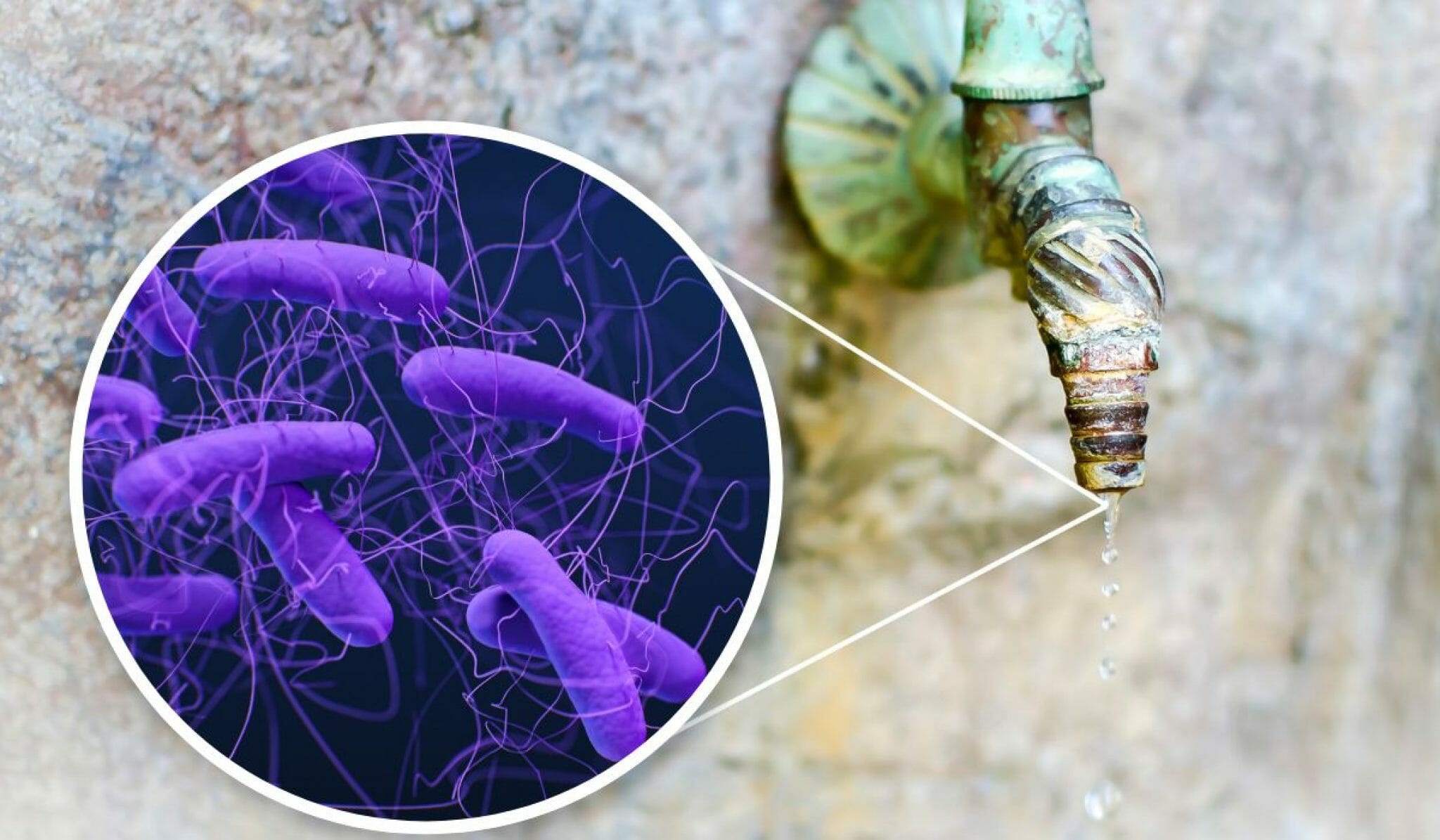
Let’s be honest—when you hear the words “E. coli in the water,” your brain probably jumps to a worst-case scenario involving frantic sprints to the bathroom and regretting that one sip from a mountain stream. But before you swear off tap water forever and start stockpiling bottled stuff like it’s the apocalypse, let’s talk about how that little critter actually gets in there. It’s not as mysterious as a magician’s rabbit trick—it’s more like a messy, sloppy chain reaction that happens when nature gets a little too… intimate with our plumbing.
The Not-So-Glamorous Origin Story
E. coli is basically a party crasher that lives in the guts of warm-blooded animals—yes, that includes cows, chickens, and even your neighbor’s golden retriever. When these animals do their business outdoors, rain and irrigation can wash that fertilizer right into streams, rivers, or groundwater. Think of it as nature’s version of a clogged toilet, except the flush cycle involves a thunderstorm and a slope.
Farms are often the main suspects here. Manure used as crop fertilizer, or runoff from livestock pens, can carry E. coli into nearby waterways. It’s like when you drop a greasy napkin in the kitchen sink—before you know it, the whole dishwater smells like regret.
Must Read
Your Septic Tank: The Unseen Leaky Sieve
If you’ve got a septic system, you might be hosting your own mini E. coli highway. Old or poorly maintained septic tanks can leak untreated waste into the soil, which then seeps into the groundwater that feeds your well. It’s the equivalent of a slow, silent ooze—like a ketchup bottle that’s been left in the sun, but way grosser. Heavy rains can also overwhelm the system, causing a backup that sends bacteria on a joyride straight to your faucet.
And let’s not forget the city sewer pipes. Aging infrastructure can crack or overflow after a big storm, mixing raw sewage with stormwater. This is when you get those “avoid contact with bay water” advisories that sound so official yet so personal.
Wildlife: The Uninvited Guests at the Picnic
Beavers, geese, deer—they all do their duty in the woods, but they don’t use a restroom. When they poop near a lake or stream, their droppings can carry E. coli directly into the water. It’s like a public pool, but with fur and feathers. One unlucky splash from a geese flock could turn a serene canoe trip into a microbiology lesson you didn’t sign up for. Ever seen a beach closed because of “elevated bacteria levels”? Thank the local waterfowl population.
 Total Coliform vs. E. Coli: Comparing Bacteria found in Water Samples
Even your beloved backyard chickens or farm goats can be culprits if their run is uphill from a well. It’s a reminder that animal agriculture isn’t just a distant, industrial thing—it’s sometimes closer than we care to admit.
The Water Treatment Plant: Your Overcaffeinated Bouncer
Here’s the good news: Municipal water treatment plants are like the bouncers of the hygiene world. They chlorinate, filter, and UV-zap the water to kill off any E. coli that might have snuck in. But if a pipe breaks, or there’s a power outage (cue dramatic storm music), those bouncers can get overwhelmed. That’s when you get a boil water advisory, and suddenly everyone in your neighborhood becomes a pot-watching expert.
Private wells, on the other hand, have no bouncer. You are the bouncer. If your well isn’t tested regularly, or if it’s too close to a septic drain field, you’re essentially inviting E. coli to a pool party without lifeguards. That’s why experts say test your well at least once a year—it’s cheaper than a case of gastrointestinal regret.
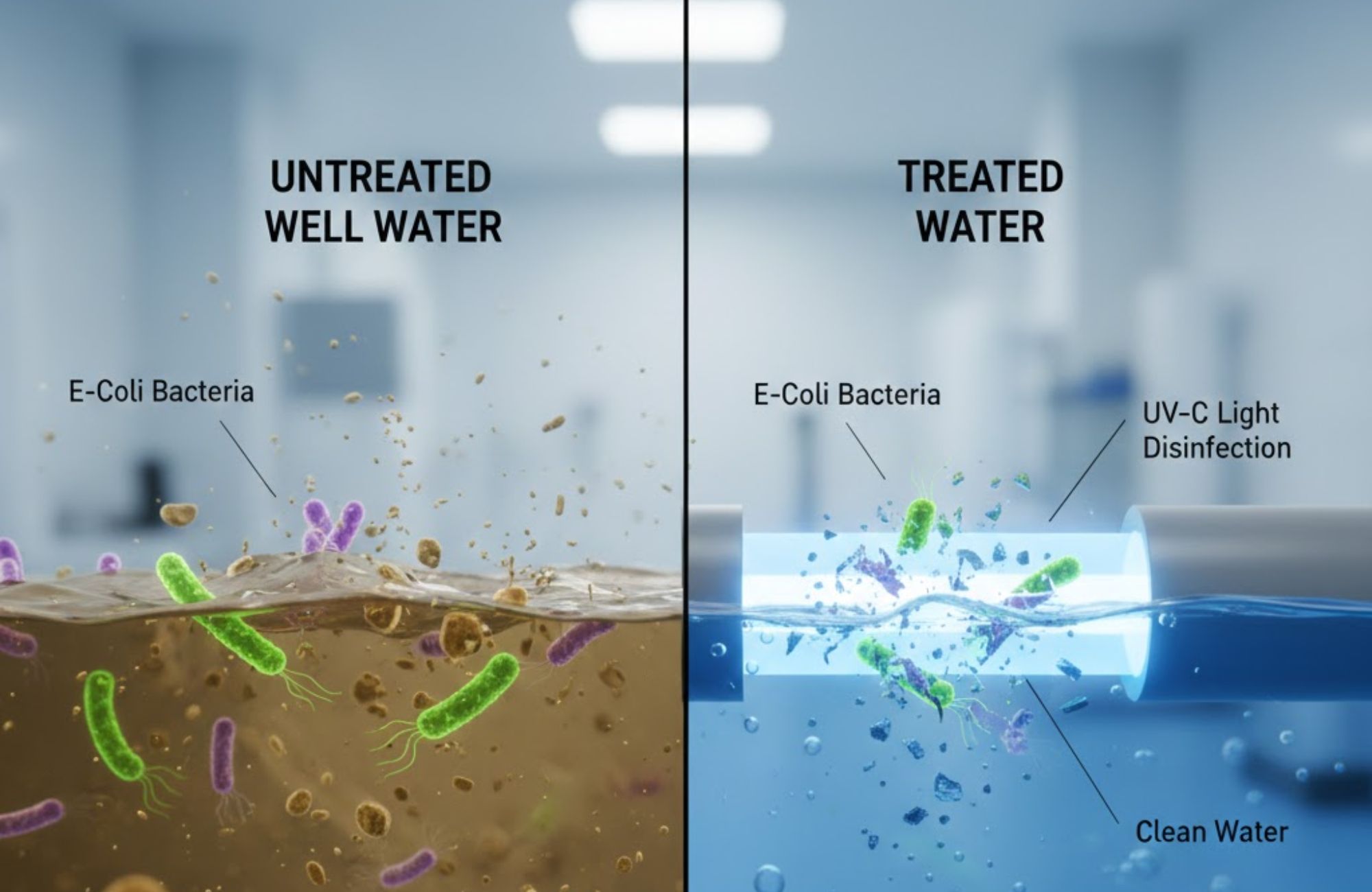 E. Coli in Well Water Treatment: What to Do Next - Housatonic Valley
How You Can Avoid Getting a Surprise Invitation
Boil it, filter it, or buy it. If you’re camping, treat stream water like a suspicious sandwich—don’t trust it until it’s been boiled for a full minute. For home, consider a certified filter that removes bacteria, not just the taste of rusty pipes. And please, for the love of all things holy, don’t let your dog drink from puddles near farm fields. He can’t read the warning signs, but you can.
Also, check for local advisories after heavy rain. If your town says “don’t swim at the lake,” it’s not being dramatic—it’s trying to save you from replicating a scene from a certain bio-thriller. Treat those water quality reports like they’re spoilers for your weekend plans.
In the end, E. coli in water is less about a tiny villain with a mustache and more about a system that sometimes forgets to lock the back door. It’s a reminder that we share this planet—and its plumbing—with a lot of other butts. Stay curious, stay skeptical, and maybe invest in a good water bottle filter. Your future self (and your bathroom) will thank you.
