How Does Gravel Filter Water

Have you ever looked at a pile of ordinary gravel and thought, "Wow, that’s a water-purifying superhero"? No? Well, you’re about to! That humble driveway stone is actually a q...
Have you ever looked at a pile of ordinary gravel and thought, "Wow, that’s a water-purifying superhero"? No? Well, you’re about to! That humble driveway stone is actually a quiet, gritty genius at cleaning water. Stick with me, and you’ll never look at a pebble the same way again.
Let’s get the big picture first: gravity is your best friend here. When dirty water trickles down through a layer of gravel, it’s forced to slow down and wiggle through tiny spaces. This simple process—called filtration—traps the big, nasty stuff like leaves, dirt, and even some bugs. It’s like a bouncer stopping troublemakers at the club door.
The Secret Power of the Pile
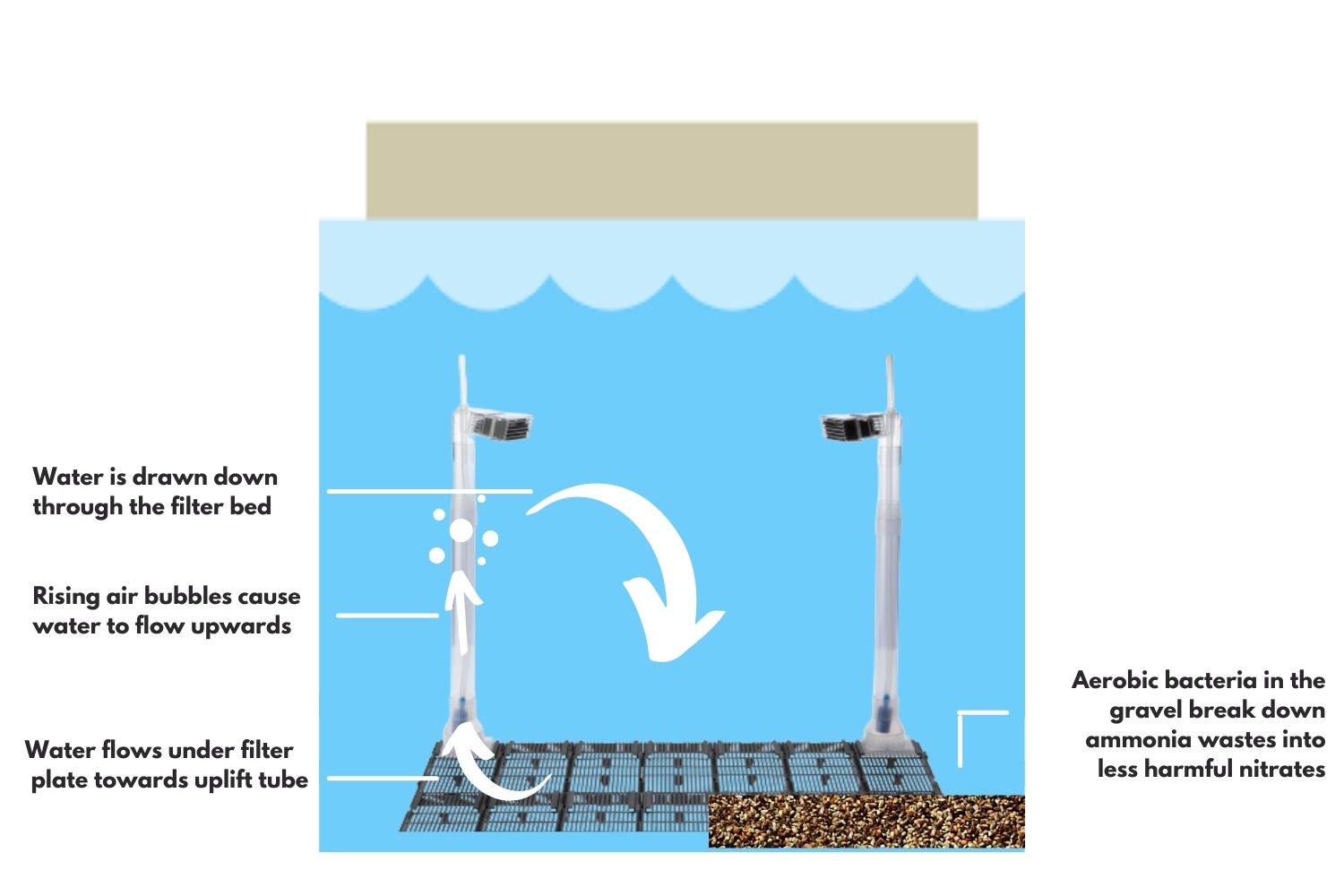
But here’s the real kicker: gravel doesn’t just strain water. It creates a biological cleaning team! Those rough, irregular surfaces become perfect homes for beneficial bacteria. These microscopic pals literally eat the slimy, yucky pollutants—think of them as tiny, hungry vacuum cleaners.
Must Read
This means the gravel is doing two jobs at once: physical sieving and biological digestion. It’s like having a colander and a dishwasher in one. How cool is that for a rock that costs pennies a bag?
So why should you care? Because this isn’t just for science labs or fancy water filters. You can use this knowledge to make life more fun. Imagine building a DIY backyard pond where the water stays crystal clear, thanks to a gravel waterfall. No chemicals, no pumps that scream—just stones and gravity doing the work.
 Understanding Undergravel Filters: How They Work – Diapteron Shop
Your Mini Science Experiment
Try this this weekend: take a clear plastic bottle, cut off the bottom, and fill it with layers of gravel, sand, and charcoal. Pour some muddy water through it. Watch the magic happen as brown turns to mostly-clear. It’s not perfect drinking water, but it’s a thrilling little show—and you just became a water wizard.
And hey, you can even use this trick for camping. Pack a small bag of gravel and a coffee filter. When you’re stuck washing dishes in a murky stream, pour that water through your "rock filter" first. You’ll be amazed at how much grit it catches. Suddenly, you’re the most resourceful person at the campsite.
But wait—there’s more fun on the horizon. Ever seen those huge rain gardens in city parks? They’re just glorified gravel pits! You can build a mini one in your own yard to keep storm runoff clean. No more puddles, no more gross runoff—just you, some gravel, and a smug sense of eco-victory.
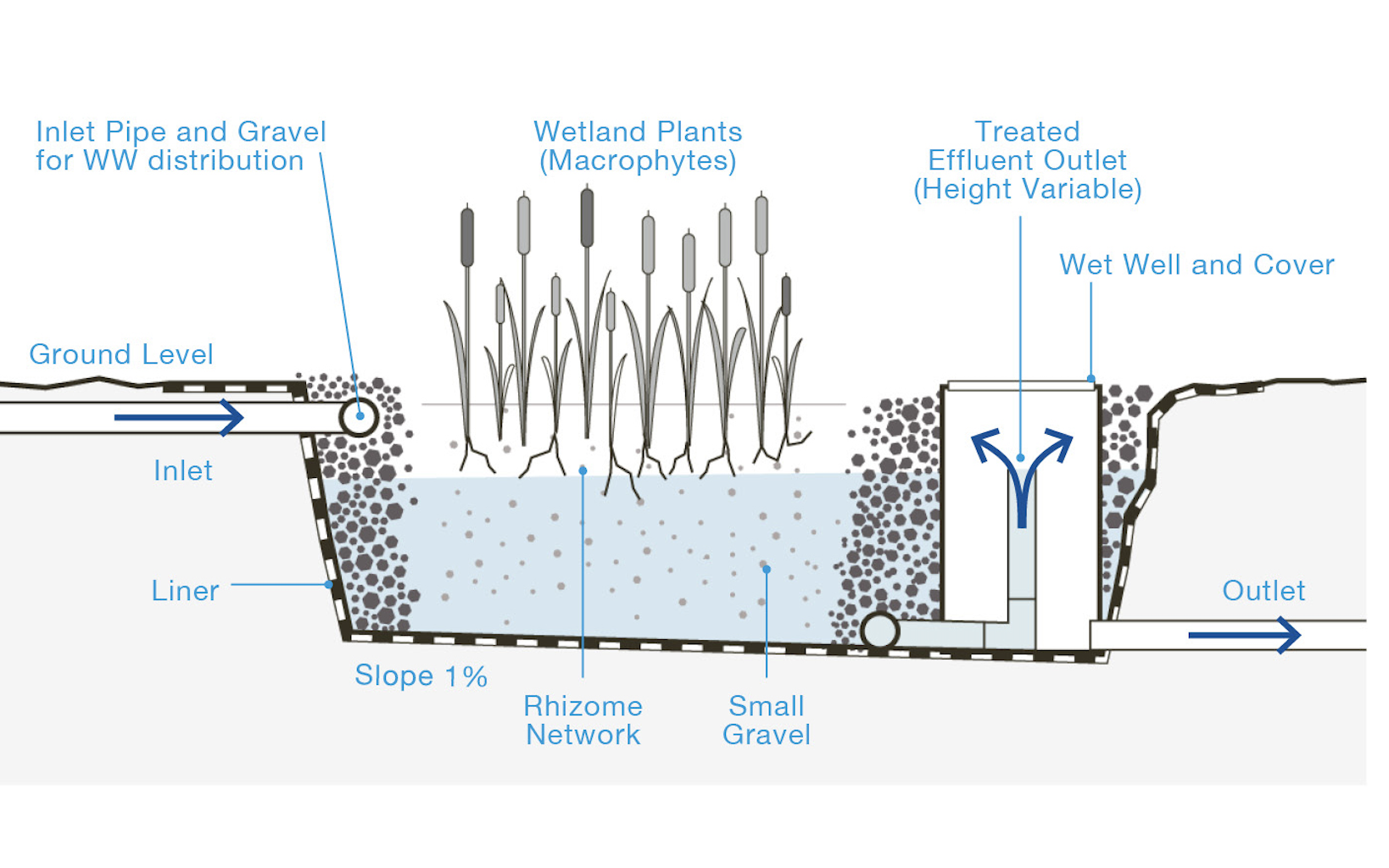 Underwater Gravel Filter Setup
The Uplifting Truth
Here’s the inspiring part: nature loves simple solutions. You don’t need a million-dollar machine to make water cleaner. A pile of rocks, a little patience, and some helpful bacteria can do the job. It’s a reminder that you have the power to fix small problems with everyday materials.
So next time you see a gravel path or a pebble driveway, give it a wink. That little stone is a quiet environmental champion. And now, you’re in on the secret. You’re not just a person walking by—you’re a water-filtering enthusiast ready to play.
Feeling inspired? Good. Go grab a bag of gravel, a jar, and some muddy water. Make a mess, learn a science trick, and smile. Because understanding how gravel filters water isn’t just about H2O—it’s about discovering how the simplest things can make our world cleaner, smarter, and way more fun.
