What Is The Meaning Of Decaf

Let’s be honest: decaf has a bit of an image problem. It’s often seen as the polite, boring cousin in the coffee family—the one who shows up to the party but refuses to dance....
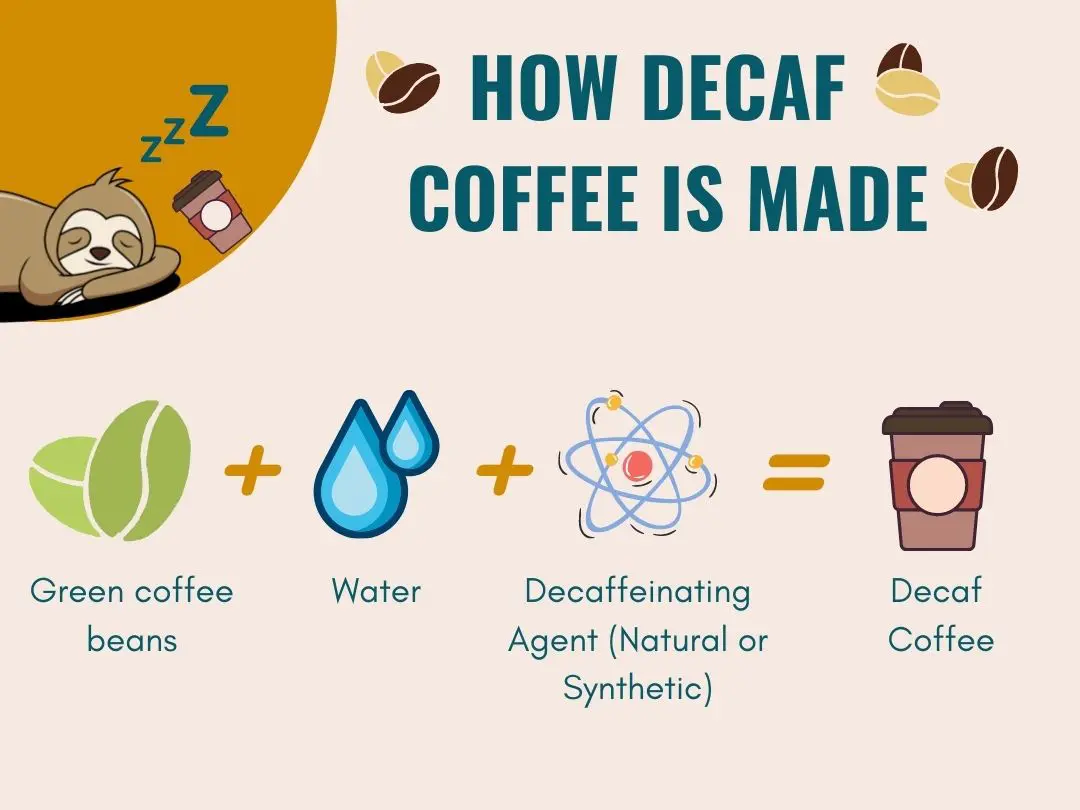
Let’s be honest: decaf has a bit of an image problem. It’s often seen as the polite, boring cousin in the coffee family—the one who shows up to the party but refuses to dance. But in reality, decaf is having a quiet, sophisticated renaissance. It’s no longer just for the pregnant or the caffeine-sensitive; it’s for anyone who craves the ritual of a cup of coffee without the jittery soundtrack.
The Great Caffeine Heist
So, what is the meaning of decaf? At its core, decaf—short for decaffeinated coffee—is simply coffee that has had at least 97% of its caffeine removed. The process is a fascinating piece of chemistry, not magic.
Most beans are steamed or soaked in a solvent (like ethyl acetate, which occurs naturally in fruit) or treated with carbon dioxide to pull the caffeine out. The Swiss Water Process, a more artisanal method, uses only water and osmosis—think of it as a spa day for the bean.
Must Read
Fun fact: The first commercially successful decaf was created in 1903 by a German coffee merchant named Ludwig Roselius. He supposedly got the idea after a shipment of beans was soaked in seawater during a storm. Accidental science at its finest.
The Flavor Debate: Sacrifice or Science?
Here’s where the sneers often start: “But decaf tastes like dishwater.” It’s a valid criticism, but a dated one. High-quality, modern decaf retains most of its original flavor profile because the process is far gentler than it was a century ago.
The truth is, caffeine itself is bitter and has almost no flavor aroma. When you remove it, the delicate notes of chocolate, nuts, or fruit can actually shine more. The real enemy of decaf flavor is staleness—many roasters treat decaf beans as an afterthought, so they sit on shelves longer.
Pro tip: Look for “Swiss Water Process” or “CO2 Process” on the bag. Also, buy whole beans and grind them fresh. You’ll be shocked how close a great decaf comes to the real thing.
The Lifestyle Shift: Decaf as a Choice
Decaf isn’t a surrender to adulthood; it’s a strategic decision. Think of it as a caffeine dimmer switch instead of an on/off button. You get the comfort of the warm mug, the creamy texture, and the familiar aroma—but without the heart-pounding urgency at 3 PM.
 How Does Folgers Decaffeinate Coffee – NPZGU
There’s a cultural shift happening. In places like Portland, Melbourne, and Tokyo, third-wave coffee shops now offer single-origin decaf espressos. Baristas take it seriously. Ordering a decaf cortado is no longer a social gaffe; it’s a sign of intention.
It also taps into the growing “sober curious” and wellness movements. People are choosing to say yes to the ritual and no to the stimulant. It’s about owning your energy, not outsourcing it to a bean.
Practical Tips for the Decaf Curious
Start with a blend. Don’t go straight for a bold single-origin. Many roasters create decaf blends that are nutty, smooth, and easy to drink—perfect for an afternoon latte.
Watch your brew time. Decaf beans are slightly more porous after processing, so they extract faster. If you use a pour-over, aim for a slightly shorter brew time than you would with regular beans. You’ll avoid that bitter, hollow taste.
Embrace the half-caf. If you’re not ready to go full decaf, mix half regular and half decaf grounds. It’s the perfect middle path—enough buzz to stay sharp, but no crash.
 Pros and Cons of Decaf Coffee: Health Benefits & Side Effects
The Little-Known Science Behind It
Did you know that a cup of decaf still contains about 2 to 5 milligrams of caffeine? A standard cup of regular coffee has about 95 mg. That’s not zero, but it’s negligible unless you’re extremely sensitive.
Also, decaf is not a myth for “caffeine-free” people. Dark roast decaf actually has less caffeine than light roast decaf because the roasting process burns off some of the remaining caffeine. So if you want the lowest buzz possible, go dark and bold.
Reflection: The Ritual Over the Rush
In a world that glorifies speed, productivity, and constant stimulation, choosing decaf is a small act of rebellion. It says: I want the warmth, the pause, the familiar gesture of lifting a mug to my lips—without needing to be electrified.
The meaning of decaf, then, isn’t about what’s missing. It’s about what you gain: presence. That 15 minutes in the afternoon where you’re not chasing a high, just enjoying a low. And honestly, isn’t that the real luxury?
So next time someone raises an eyebrow at your decaf order, just smile. You’re not giving up coffee—you’re giving up the noise.
