What Is The Healthiest Water

Let’s be real—nobody wakes up in the morning and dramatically declares, “I must find the healthiest water today!” Nope. You probably just shuffle to the tap, fill a glass, and...
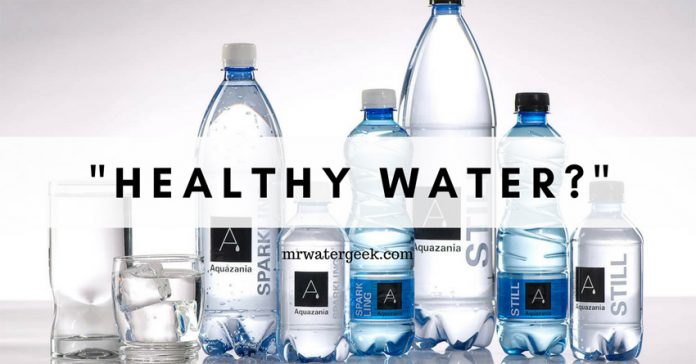
Let’s be real—nobody wakes up in the morning and dramatically declares, “I must find the healthiest water today!” Nope. You probably just shuffle to the tap, fill a glass, and hope for the best. But here’s the thing: water is the one thing you drink more than your morning coffee (yes, even more than that second cup). So, what exactly is the healthiest water? And does it even matter if you’re just trying to hydrate while binge-watching your favorite show?
First, a little story. My friend Sarah once spent an hour in the grocery store aisle, staring at bottles like they held the secrets to eternal life. There was alkaline water, mineral water, spring water, and even hydrogen water that promised to “boost your energy.” She left with a bottle that cost $6 and a headache. “I just want water,” she sighed. “Why is this so complicated?”
Tap Water: The Underdog Hero
Let’s start with the classic: tap water. In most developed countries, tap water is actually incredibly safe and often contains added fluoride, which helps keep your teeth strong. Think of it as the reliable friend who shows up to every barbecue with a six-pack. Sure, it might not look fancy, but it gets the job done. The catch? Sometimes it can taste a little like a swimming pool, thanks to chlorine. A simple filter pitcher (like a Brita) can fix that right up.
Must Read
But here’s the fun part: tap water isn’t the healthiest water for everyone. If your pipes are old, you might get traces of lead or copper. That’s like finding a soggy sock in your laundry—annoying and not great for you. A quick test kit from the hardware store can tell you if your tap water is a champ or a chump.
Spring Water: Nature’s Chill Vibe
Now, imagine water that bubbles up from a mountain spring. It’s cold, crisp, and tastes like victory. That’s spring water, and it’s naturally filtered through rocks, picking up minerals like calcium and magnesium along the way. It’s the equivalent of eating a salad that somehow tastes like a donut—good for you, but delicious. The downside? It can be pricey, and not all brands are actually from a spring (check the label).
I once bought a bottle labeled “spring water” only to find out it was just tap water from a town 200 miles away. I felt like I’d been catfished. So, if you love spring water, look for “natural spring water” on the label, and maybe take a sip while imagining a deer drinking from a forest stream. It’s all about the vibe.
Alkaline Water: The Trendy Cousin
You’ve probably seen alkaline water at the gym, usually in a sleek bottle with a price tag that makes your wallet weep. It has a higher pH level (around 8 or 9) compared to regular water (pH 7). Proponents claim it neutralizes acid in your body and boosts energy. Sounds great, right? Well, your body is a master pH balancer already—your stomach acid is basically battery acid, and it laughs at a slightly higher pH. Drinking alkaline water is like trying to cool down a volcano with a squirt gun.
 Diet Water: Hydrate Healthily with Nutrient-Rich Drinks
That said, some people swear it helps with acid reflux or post-workout recovery. If you like it, drink it! Just don’t expect a total life overhaul. Your water doesn’t need to be a superhero; it just needs to be clean.
Mineral Water: The Fancy Sparkler
Remember when you were a kid and thought sparkling water was just “angry water”? Well, mineral water is its sophisticated cousin. It comes from a protected source and contains natural minerals like potassium and sodium. It’s like getting a bonus multivitamin with every gulp. Some studies even suggest that mineral water can help with bone health and digestion. But here’s a plot twist: too much sodium in some brands can sneak up on you, especially if you have high blood pressure. Check the label—aim for less than 20 mg of sodium per liter.
My favorite mineral water is the kind that comes in a glass bottle and makes you feel like a fancy European for a moment. But let’s be honest, I’m usually drinking it while eating pizza. And that’s okay.
Filtered Water: The Everyday Winner
If you want the healthiest water without overthinking it, filtered water is your best bet. A simple countertop filter or a pitcher can remove chlorine, lead, and other impurities, leaving you with clean, great-tasting water. It’s like giving your tap water a spa day. You don’t need a whole-house system or a fancy reverse osmosis setup—just something that removes the yuck. Brita, PUR, or even a charcoal stick will do the trick.
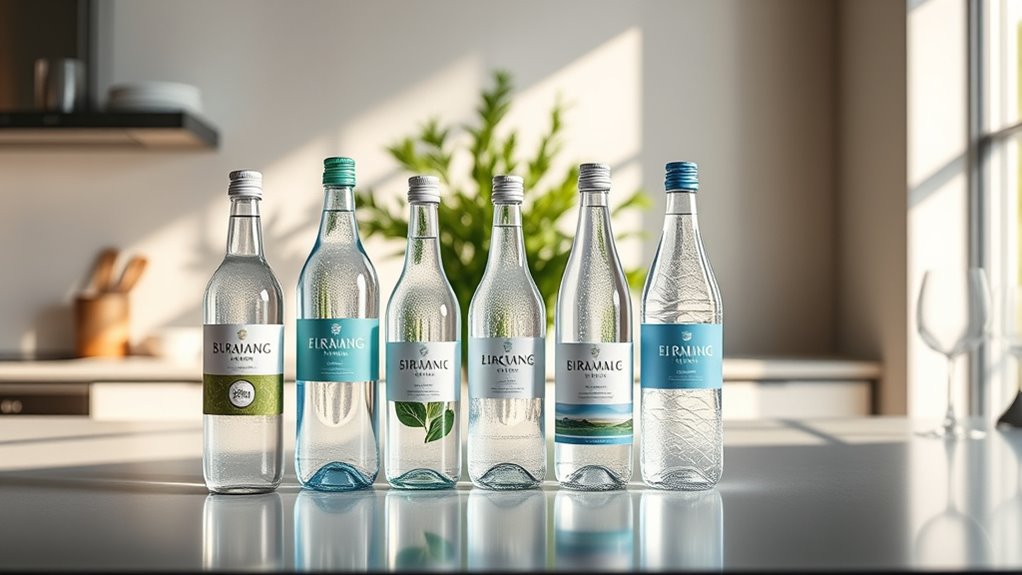 The 5 Healthiest Bottled Water Brands in 2025 | H2GO Water Bottle
I personally use a filter pitcher, and I swear my plants perk up when I water them with it. Or maybe that’s just my imagination. Either way, filtered water is cheap, eco-friendly, and reliable. It’s the Goldilocks of waters—not too trendy, not too basic, just right.
So, What Is The Healthiest Water?
Here’s the honest truth: The healthiest water is the one you’ll actually drink. If you hate the taste of tap water, you’ll reach for soda or juice instead, and that’s worse for you than any mineral content. Your body doesn’t care if your water comes from a mountain or a faucet—it just wants hydration. So, choose water that makes you happy, but aim for clean, filtered options when you can.
Don’t stress about pH levels or fancy buzzwords. Focus on what keeps you drinking water throughout the day. Add a slice of lemon, a few mint leaves, or even a cucumber slice if it helps. And remember, unless you’re a professional athlete or have a specific health condition, any drinkable water is a win. So fill your glass, take a sip, and give yourself a pat on the back. You’re already doing better than half the people out there who are still staring at that grocery store aisle.
Now, go hydrate. Your brain (and your liver) will thank you.
