What Is Tds In Water Testing

Alright, grab your mug. Let's talk about TDS in your water. No, it’s not a new streaming service or a secret government agency. It stands for Total Dissolved Solids. Basically...
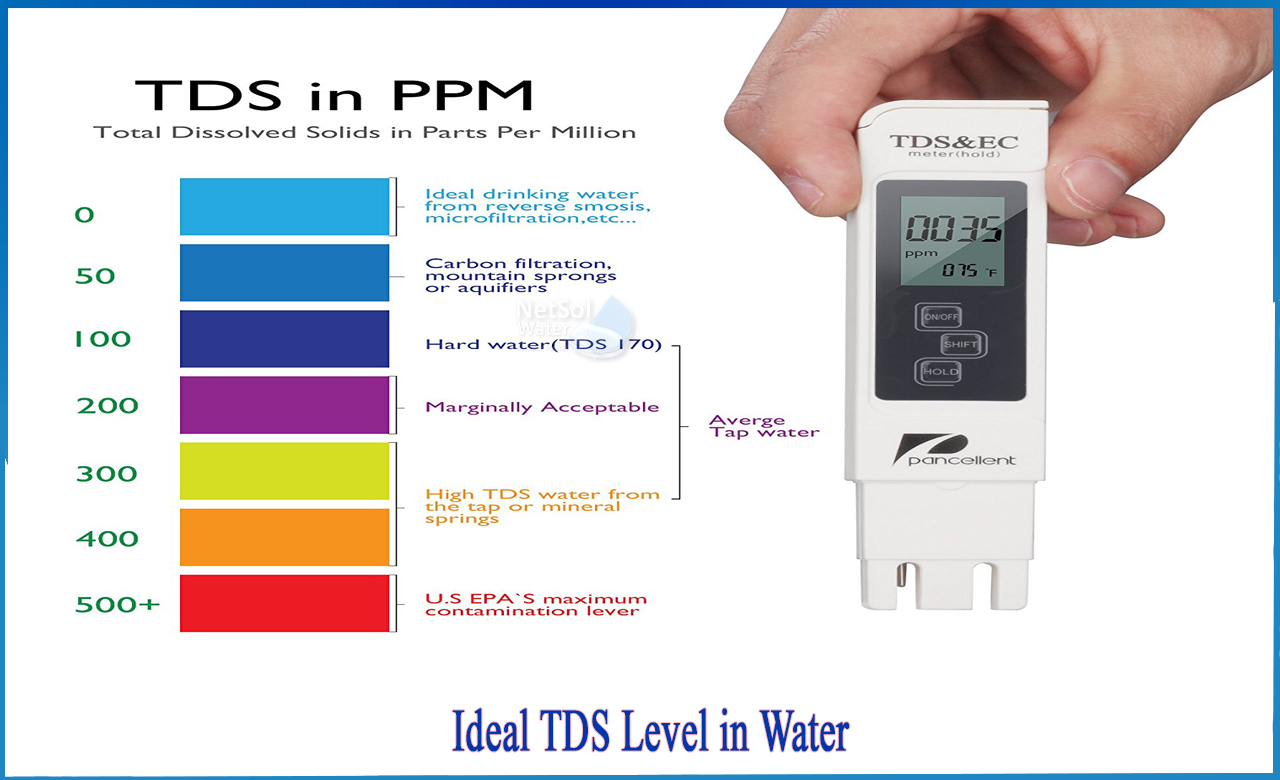
Alright, grab your mug. Let's talk about TDS in your water. No, it’s not a new streaming service or a secret government agency. It stands for Total Dissolved Solids. Basically, it’s everything that’s not H2O floating around in your glass.
So, What’s In There?
Think of TDS as the invisible stuff in your water. It could be minerals like calcium or magnesium. It could be salts, metals, or even tiny bits of organic matter. You can’t see them, but your water meter can. A TDS test is like a reality check for your tap.
You know that weird taste when you travel? That’s often high TDS. It’s the mineral fingerprint of your local pipes and groundwater. Don’t panic—most of it is harmless. Some of it, like calcium, is actually good for you, but we’ll get to that.
Must Read
The Hardware: How It Works
Testing TDS is ridiculously easy. You just grab a little gadget called a TDS meter. It looks like a fancy thermometer from a sci-fi movie. Dip it in water, and it gives you a number in parts per million (ppm).
The meter works by measuring how well electricity flows through the water. More dissolved solids = more conductivity = higher number. It’s like a lie detector test for your water, but way less dramatic. Just don’t expect it to tell you what the solids actually are—it’s a quantity, not a quality check.
What’s a “Good” Number?
Here’s where it gets fun. The EPA says drinking water should be under 500 ppm. But “good” is subjective, right? A spring water from the Alps might have 200 ppm and taste amazing. Your sink water might hit 400 and still be perfectly safe. Most bottled waters sit between 100 and 300 ppm.
But what about zero? Distilled water has almost no TDS. It’s pure H2O... and it tastes flat and boring. Seriously, try it. It’s like drinking rain with the soul removed. So, low TDS isn’t always better—it just means fewer minerals.
 Tds In Water Analysis
High TDS (like, over 1,000 ppm) can taste salty, metallic, or bitter. It might leave chalky white spots on your dishes. Ever had hard water? That’s high TDS from calcium and magnesium. It’s not dangerous, but it’ll wreck your coffee maker.
The Big Myth: TDS and Safety
Here’s the coffee talk truth: TDS does not tell you if water is safe. Repeat that with me. A low TDS number won’t catch bacteria, viruses, or lead. You could have 50 ppm of pure, clear water laced with arsenic. That’s like saying a car with clean tires must have a good engine.
So, don’t use TDS as a safety filter. If you’re worried about germs, you need a different test—like for coliform bacteria. TDS is more about taste and appearance. It’s the water’s personality, not its health record.
When Should You Care?
You care about TDS when your water tastes off. You care when you see white scale on your showerhead. Aquarium owners and coffee snobs obsess over TDS. Fish are picky, and espresso machines hate scale.
Also, if you’re using a water filter, TDS is a good way to test it. A reverse osmosis system should drop TDS from 400 to 20 ppm. But a simple carbon filter? It won’t change TDS much. Don’t be fooled by marketing—that’s the mic drop of water testing right there.
 Total Dissolved Solids: Understanding Water Quality Indicators – Water
Pro tip: Test your tap water once a month. Write down the number. If it suddenly spikes or drops, you might have a pipe leak or a broken water softener. It’s like checking your car’s oil—boring but useful.
The Exceptions and Exaggerations
Some folks get really into TDS. Like, “I won’t drink anything below 50 ppm” type of into. Relax, unless you’re a koi fish, you’re fine. Also, know that TDS meters can be fooled by temperature. Cold water reads lower than warm water. Don’t panic if your ice cubes test at 50 ppm—that’s normal.
And here’s the punchline: you test TDS, but you still don’t know what’s inside. It’s like reading the total number of guests at a party without knowing if they’re your friends or party crashers. That 300 ppm could be healthy calcium or nasty copper. Only a full lab test reveals the drama.
The Final Sip
So, TDS is a quick, cheap cheat sheet for your water. Use it to sense-check changes, but don’t let it rule your life. It’s a conversation starter, not a verdict. If your tap reads 450 ppm and tastes fine, cheers to you!
If it tastes like a swimming pool, maybe call a plumber. Or just buy a Brita. But hey, now you know—TDS is the water’s résumé, not its character reference. Drink up, friend. And keep that coffee warm.
