How To Work A Water Softener

So, you’ve got a water softener. Congratulations! You’re the proud owner of a hard-working machine that’s probably sitting in your basement feeling very underappreciated. It’s...
So, you’ve got a water softener. Congratulations! You’re the proud owner of a hard-working machine that’s probably sitting in your basement feeling very underappreciated. It’s like the unsung hero of your plumbing, fighting the epic battle against calcium and magnesium so you don’t have to. But now the question is: how do you actually work the thing without accidentally flooding your laundry room?
Don’t worry, friend. We’re going to get you there. Think of this as a friendly chat over coffee, except I’m saving you from scratchy towels and sad, limescale-covered faucets. Let’s dive into the magical world of brine tanks and resin beads.
The Basics: It’s Just a Robot with Salt
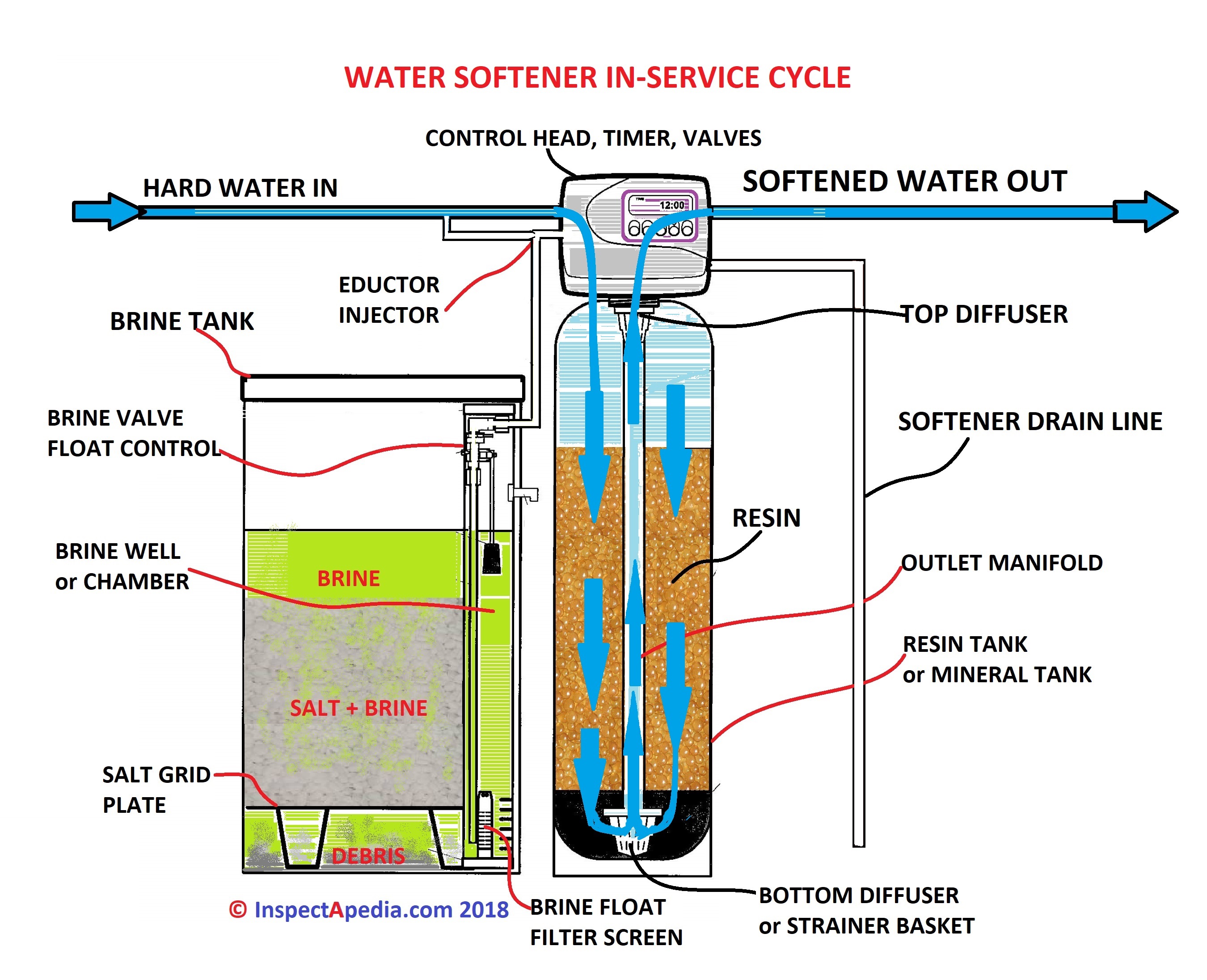
First, let’s clear up a huge misconception. Your water softener doesn’t really soften water—it swaps hard minerals like calcium and magnesium for sodium (or potassium, if you’re fancy). It’s like a tiny, chemical-level trade agreement, and it runs on salt. Your job is basically: keep the salt bin full, and don’t touch the weird settings.
Must Read
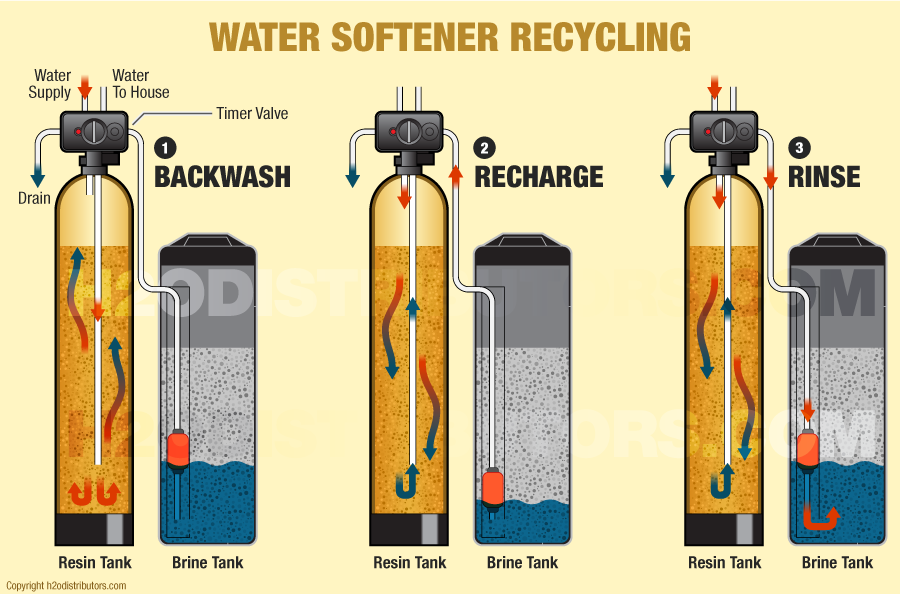
Most units have a big tank (the brine tank) where you dump those giant blue bags of salt. And they have a smaller control head on top with buttons that look like they belong on a spaceship. Don’t panic! You only need to know three things: where the salt goes, what the “regen” button does, and how to tell if it’s broken.
Step 1: Feed the Beast (Add Salt)
This is the easiest part. Pop open the brine tank’s lid. If you see water sitting on top of the salt, don’t freak out—that’s supposed to happen. It’s like a salty hot tub waiting to do its job. Just pour in a new bag of water softener salt (not table salt, for crying out loud—you’re not seasoning a steak).
How much? Usually, keep it about half full. Too little and it stops working, too much and you’ll create a “salt bridge” (a hard crust that blocks everything—think of it as a dried-out science fair volcano). If you see a salt bridge, gently poke it with a broom handle until it crumbles. Yes, this is your new hobby now.
Important: Don’t Be a Salt Snob
There are solar salt, evaporated salt, and rock salt. Honestly? Just grab whatever’s on sale, but avoid “rust remover” salt pellets unless you want your water tasting like pennies. Stick with pure sodium chloride. Your softener isn’t a Michelin-star chef—it’s a workhorse.
 How Water Softeners Work Diagram Water Softener: Plumbing Water
Step 2: The Magic “Regen” Button (Your Best Friend)
Inside the control head, there’s a button labeled “Regen” or “Manual Regeneration.” This is the button you press when you want your softener to take a bath. It flushes out the trapped minerals and replaces them with fresh sodium. Think of it as the “reset” button for your water’s personality.
Don’t press it all the time—your unit has a timer or a computer that does this automatically, usually at 2 a.m. while you’re dreaming of winning the lottery. Only press it if you’ve just added salt and want to force a cleaning, or if you notice your water suddenly feels “rough” again. Otherwise, let it do its quiet robot thing.
What About the Settings?
If you have a fancy digital display with numbers like “7.5” or “Hardness,” do not touch them unless you read the manual. Seriously. Those numbers are the brain of the operation. Mess with them and your water might turn into a lava lamp of hard minerals. But if you must adjust, know that the correct hardness setting is usually printed on your water test strip or a note from the previous homeowner. Or just call a plumber and pretend you didn’t.
Step 3: Watch for Signs of a Crisis
Your water softener will tell you when it’s upset. If the water tastes salty, it might be regenerating too often. If your rinses leave soap scum, it’s probably not regenerating enough. And if you hear a weird grinding noise? That’s the sound of your softener screaming into the void. Check for salt bridges or a clogged brine line.
Also, check for sludge at the bottom of the brine tank every few months. If it looks like gross potato soup, scoop it out with an old cup. Your future self will thank you. Also, clean the little “nozzle venturi” (a plastic doodad on top) once a year with a toothbrush. It’s gross, but satisfying, like cleaning a lint trap.
 How Water Softeners Work | Benefits, Diagram & More
The Little Extras That Make You Look Pro
Here’s a secret: if you’re going on vacation for more than a week, put your softener into “bypass mode”. There’s usually a little lever or knob that lets water skip the unit. Why? Because if the softener tries to regenerate while you’re gone and something malfunctions, you’ll come home to a swimming pool in your garage. Bypass mode is your vacation insurance.
Also, if you have a second home or a cabin, consider a potassium chloride alternative. It’s more expensive, but it’s safer for septic systems and gardens. Plus, it makes you sound like a water-softening wizard when you mention it at parties. “Oh, I only use potassium chloride in the mountain house.” Very impressive.
The Heartwarming Conclusion
So there you have it. You are now officially a water softener wrangler. You understand that salt is fuel, regeneration is sacred, and that weird grinding noise is just the unit complaining about its job—like all of us on a Monday. The truth is, these machines are incredibly forgiving. You can forget to add salt for a month, and it will still plod along like a loyal golden retriever.
Remember this: you didn’t just learn to operate a box of salt. You learned to protect your pipes, your dishes, and your glorious, silky-soft hair. Every time you take a shower that doesn’t leave your skin feeling like chalk, give a little nod to your water softener. It’s working hard so you don’t have to.
Now go forth, fill that brine tank, and enjoy the smoothest water your faucets have ever seen. And if you mess up? That’s okay. The machine will forgive you. It always does. Cheers to soft water and even softer towels!
