Why Is Ozone Bad To Breathe

Imagine taking a big, refreshing gulp of air. Feels great, right? Now imagine that gulp tasting like a mix of bleach and burnt toast. That’s ozone when it's down here, and it...
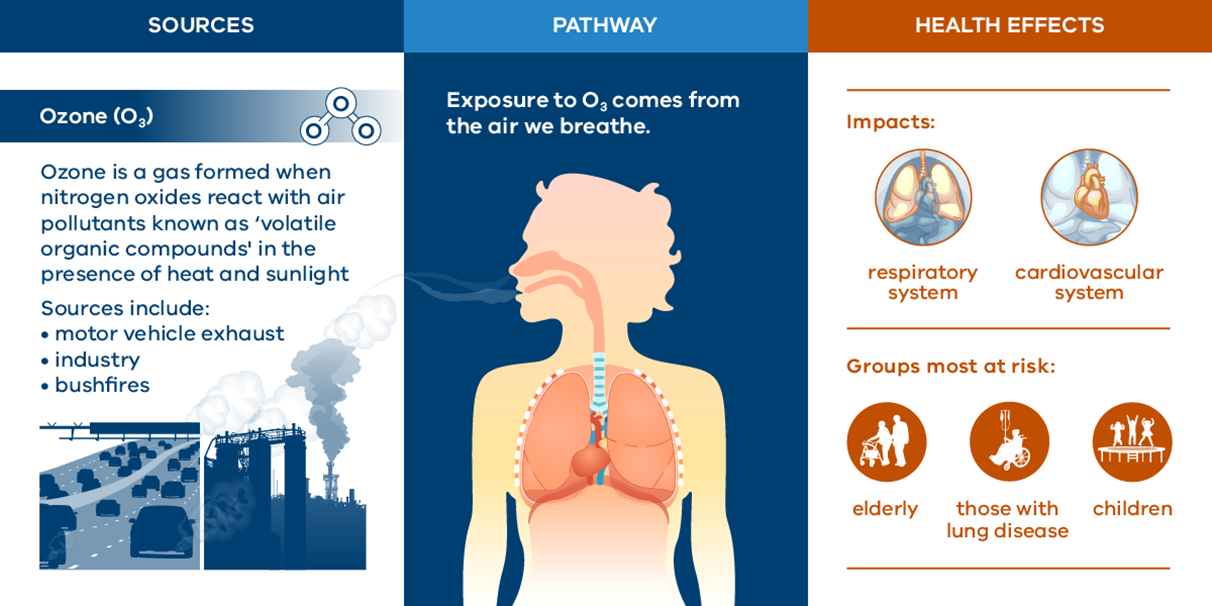
Imagine taking a big, refreshing gulp of air. Feels great, right? Now imagine that gulp tasting like a mix of bleach and burnt toast. That’s ozone when it's down here, and it is anything but refreshing.
Ozone high up is our hero. That stratospheric layer shields us from the sun’s nasty UV rays. But down at ground level, it’s a total villain.
So, why is it bad to breathe? Because it’s basically a lung scorcher. It reacts with your delicate tissues the way bleach reacts with a stain.
Must Read
The Sneaky Chemical Party Crasher
Ozone is a molecule made of three oxygen atoms. Your normal, healthy oxygen has just two. That third atom makes ozone hyper-reactive and desperate to bond.
It doesn't care about your lungs. It just wants to steal electrons from anything it touches. That "anything" is the soft, wet lining of your airways.
Breathing it in is like inviting a tiny, angry welder into your chest. It literally burns and inflames your lung tissue.
The Body’s Dramatic Reaction
Your body fights back instantly. You cough. You wheeze. Your chest tightens like someone is sitting on it.
It triggers a chemical alarm. White blood cells rush in, causing even more inflammation. It’s an overreaction that makes the damage worse.
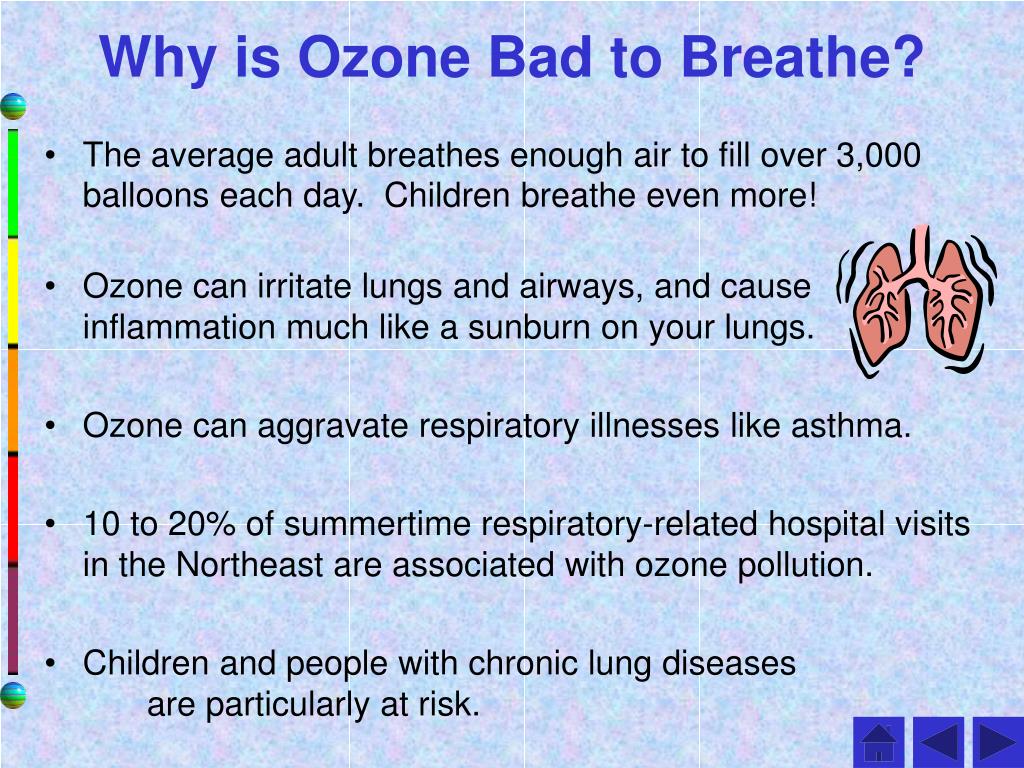
Long-term exposure? Think of it as sunburn for your lungs. Over years, that sunburn turns into scar tissue and permanent scarring.
 Learn More | Ozone Garden
Ozone’s Secret Origin Story
Ozone doesn't come from a single factory. It’s a photochemical Frankenstein. Sunshine plus car exhaust plus industrial fumes equals our monster.
It forms best on hot, still days. That’s why summer heatwaves come with “ozone action days.” You’re not just sweating; you’re breathing in a chemistry experiment.
Fun fact: Lightning strikes actually create ozone naturally. That “clean” smell after a thunderstorm? That’s the good ozone in the upper air. Down low, it’s the same molecule—just a total jerk.
Why Kids and Athletes Suffer More
Kids breathe faster than adults. They also spend more time outdoors. Their lungs are still developing, making them a prime target for ozone bleach.
Athletes inhale huge volumes of air when they exercise. That delivers a massive dose of ozone deep into their lungs. A marathon on a smoggy day is a recipe for a coughing fit.
Even healthy adults feel it. After an hour of heavy breathing in ozone, your lung function drops like a stone. It’s like suddenly breathing through a thin straw.
 PPT - What do These Maps Show? PowerPoint Presentation, free download
The Quirky Truth About “Smell”
Ozone has a very specific, sharp odor. It smells like chlorine, metal, or a fresh copy machine. If you smell it outdoors, you’re too close to a big source.
Here’s the weird part: Your nose gets tired of it quickly. After a few minutes, you stop smelling it. That means you can be getting poisoned without even knowing it.
Indoor ozone is worse. Some “air purifiers” actually generate ozone on purpose. They claim to clean the air, but they’re really just making lung-stinging gas. Avoid those like the plague.
The Final Punchline
Ozone is a schizophrenic molecule. High up, it’s our sunblock. Down low, it’s a chemical weapon.
The tragedy? We mostly create it ourselves. Every car drive and power plant run adds to the recipe. We are literally cooking our own air into a lung irritant.
But there’s hope. On bad ozone days, simply stay indoors. Keep windows shut. Exercise early in the morning before the sun cooks up the bad stuff.
So next time you hear about “ground-level ozone,” don’t yawn. Think of it as a tiny, angry ghost that wants to give your lungs a chemical peel. Breathe smart, my friend.
