Does Iron Dissolve In Water

So, you want to know if iron dissolves in water? Grab a glass of tap water and drop a nail in it. The answer is complicated—and that’s what makes it fun. Let’s dive in. The S...

So, you want to know if iron dissolves in water? Grab a glass of tap water and drop a nail in it. The answer is complicated—and that’s what makes it fun. Let’s dive in.
The Short, Sassy Answer
Does iron dissolve? Yes, but only if you cheat. Pure iron metal won’t just vanish like sugar in hot tea. Water molecules are shy around solid iron.
They can’t break the iron’s strong crystal structure. So, a clean iron nail stays a nail. For now.
Must Read
Enter Rust: The Sneaky Dissolver
Here’s where it gets weird. Iron reacts with water and oxygen to form rust. Rust is not iron—it’s iron oxide.
And guess what? Rust does dissolve a tiny bit in water. It’s like the iron turns into a microscopic powder that floats away.
That’s why old pipes turn your bathwater brown. You’re not drinking iron—you’re sipping rusty rust tea.
Fun Fact: The Iron Titanic
The Titanic is slowly dissolving on the ocean floor. Cold, deep water with low oxygen makes it rust slowly. But bacteria are actually eating the iron.
They poop rust, which then dissolves. Yes, the ocean is digesting a famous ship.
Acid: The Magic Trick
Want to see iron actually dissolve? Add acid. Lemon juice, vinegar, or stomach acid will do the trick. The acid breaks the iron into tiny charged particles called ions.
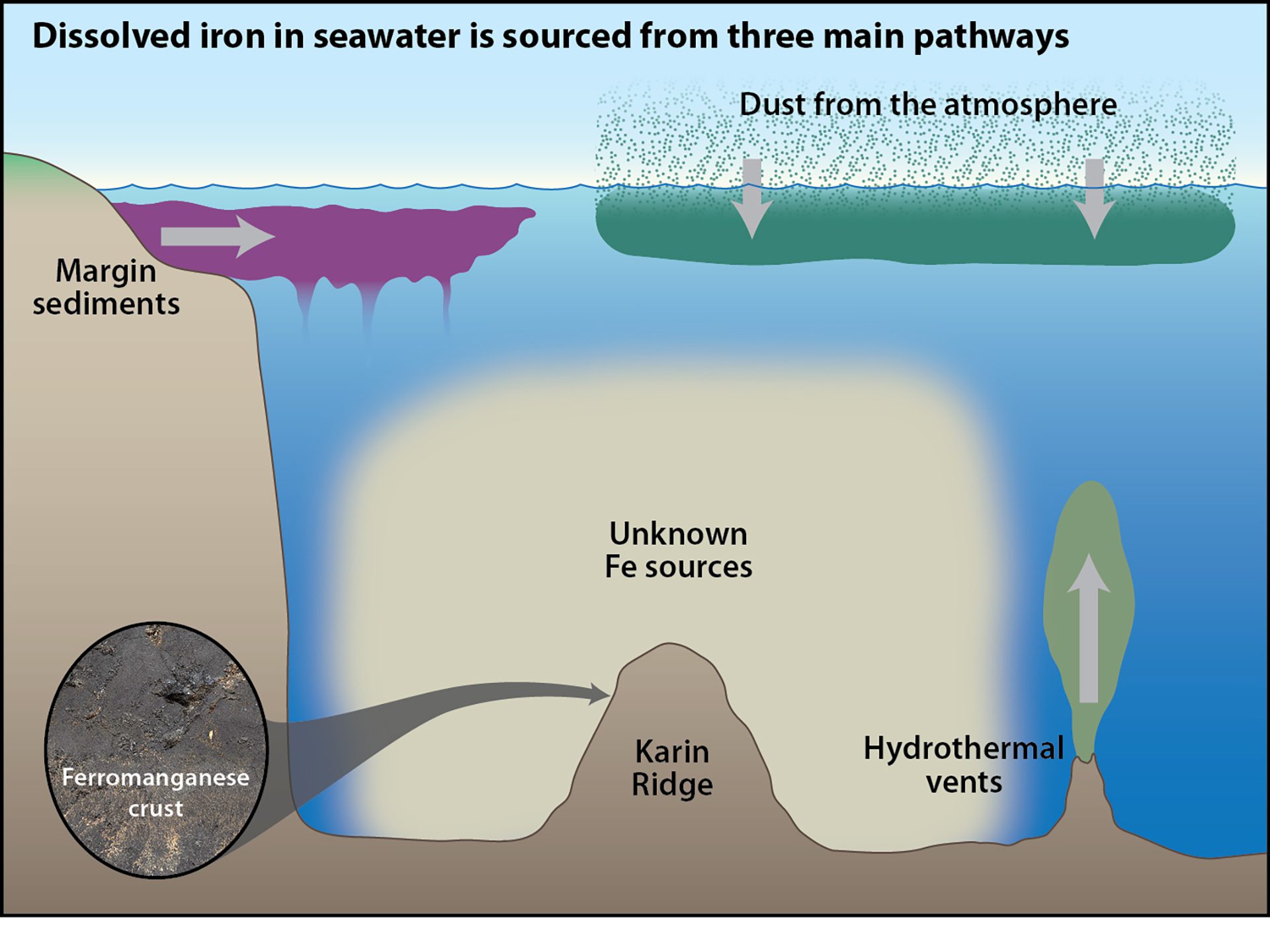 Sources of dissolved iron in seawater | Woods Hole Oceanographic
Those ions love water. They swim around like microscopic pigs in mud. That’s how you get iron-rich “mineral water.”
Ever taste a metallic coin? That’s the iron ions hitting your tongue. Yum.
Quirky Detail: The Blood Connection
Your blood is full of dissolved iron. That’s why blood tastes metallic. Your body cleverly dissolves iron inside your stomach.
Then it sends those ions to your red blood cells. You’re basically a walking iron factory powered by water.
Why This Matters for Your Tap
Iron doesn’t dissolve easily, but groundwater picks up iron from rocks. That’s why well water sometimes stains your sink orange.
Those orange marks are dissolved iron that turned back into rust when it hit air. It’s like a zombie process: iron hides in water, then rises to attack your white shirt.
 1 Solubility of iron and transfer from catchment to aquatic system
Gross but Cool: The Iron-Eating Lake
Lake Nyos in Africa is full of dissolved iron from volcanic rocks. The water looks clear—until you stir it. Then it turns blood red.
All that dissolved iron suddenly oxidizes. It’s nature’s magic trick: transparent to vampire in seconds.
The Verdict: So, Yes and No
Pure, solid iron? Nope. It doesn’t dissolve. But rust, acid-dissolved ions, and groundwater iron? Oh yeah.
Next time you see a rusty bridge, remember: that orange flake might vanish in a rainstorm. The iron is escaping, one molecule at a time.
Final Fun Thought
If you drop a nail in pure water and wait a century, you’ll get a pile of rust dust. That dust can dissolve if the water gets acidic.
Iron is a drama queen. It refuses to dissolve alone—it needs oxygen, acid, or bacteria to throw a party.
So, want to dissolve iron? Don’t just use water. Use time, rust, and a little sour help. Now go impress your friends at dinner.
