What Does Yellow Water Mean

So, you’re standing in a field, maybe on a hike, or peering at a puddle after a rainstorm, and you spot it: yellow water. Your brain instantly jumps to the scariest explanatio...
So, you’re standing in a field, maybe on a hike, or peering at a puddle after a rainstorm, and you spot it: yellow water. Your brain instantly jumps to the scariest explanation, right? Is it toxic waste? A secret alien ooze? Let’s hit the brakes on that panic and have some fun with reality instead.
The truth is, yellow water is almost never a villain in nature’s story. More often than not, it’s a sign of a vibrant, living ecosystem doing its quiet, beautiful thing. And once you know what to look for, you’ll start seeing these golden puddles as little invitations to a secret party.
The Most Common Culprit: Pollen
Think of the yellow water you see on a car after a spring shower. That’s not acid rain—it’s tree pollen! Pine, oak, and fir trees release millions of tiny yellow dust clouds, and when rain washes them into puddles, you get a literal “pollen soup.”
Must Read
This is actually thrilling. It means the trees are busy reproducing, and the water is a temporary collector for this golden explosion of new life. Next time you see it, smile and think, “The forest is having a tiny, dusty party right now.”
The Secret of Duckweed and Algae
Another reason water turns yellow? Duckweed or certain single-celled algae. These little green-gold plants love still, warm water. From a distance, a pond can look like a shimmering yellow carpet.
Far from being gross, this is a sign of a thriving micro-wilderness. Frogs, dragonflies, and tiny aquatic creatures adore this stuff. You’re basically looking at an all-you-can-eat buffet for baby bugs and amphibians.
What About Rusty Water?
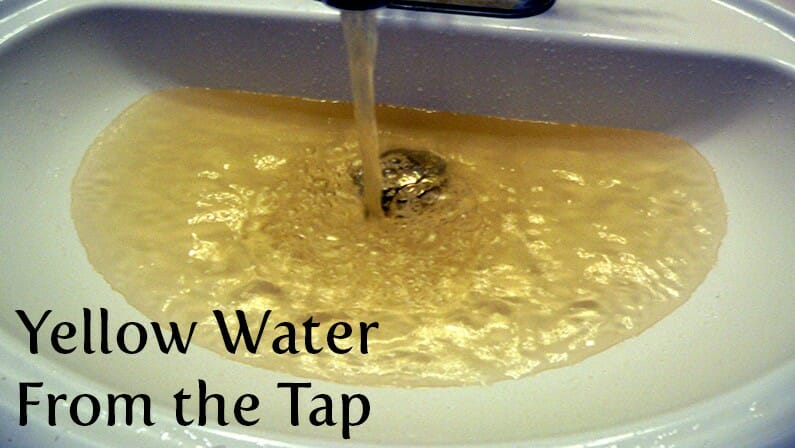
If you see yellow water coming out of your home faucet, that’s a different story—and a much simpler one. This is usually just iron or manganese from old pipes settling in the water. It looks alarming, but it’s often just a mineral deposit.
 Yellow Watter
Your plumber can fix this in ten minutes. It’s not a monster under the bed; it’s just your pipes being a bit rusty and cranky. A quick flush of the system, and you’re back to crystal clear bliss. No drama required.
When Yellow is Actually Good for You
Let’s talk about urine—yes, that yellow water! A pale to deep yellow color is a fantastic sign that you’re hydrated and your kidneys are working perfectly. It’s your body’s way of saying, “I’m balancing my vitamins and flushing out waste, all while keeping you alive.”
If your pee is totally clear, you’re over-hydrated. If it’s dark like apple juice, you need water. That golden glow? That’s the sweet spot of optimal health. Wear it as a badge of honor.
How to Spot a Fun “Pollen Puddle” Adventure
Next time you see a puddle that looks like lemonade, stop and look closer. Look for tiny ripples, bubbles, or floating specks. That’s a sign of life—not pollution. You can even take a stick and gently stir it; watch the pollen dust cloud swirl.
 Yellow Watter
This is a little mindfulness trick that turns a boring walk into a nature detective game. You’re not just seeing yellow water; you’re reading a story written in gold.
The “Golden Rule” of Curiosity
So here’s the takeaway: Yellow water is rarely a warning; it’s usually an invitation. It’s an invitation to ask why, to look closer, and to marvel at how much weird, wonderful stuff is happening right under our noses.
Most of us spend our lives avoiding “yellow things” in nature. But by learning this simple trick, you become the person who says, “Oh cool, pollen!” instead of “Eww, what is that?” That shift in perspective is pure magic.
Life gets infinitely more fun when you stop seeing ordinary things as problems and start seeing them as clues. So go ahead—embrace the golden puddles. The world is full of little yellow surprises, and they’re all just waiting for you to smile back at them.
Curious about what other colors in nature are trying to tell you? The best adventures start with the smallest questions. Keep asking them.
