What Is A Um In Measurement

So, you’re scrolling through something—maybe a science article, a 3D printing manual, or a super-specific Reddit thread—and you see it: “µm.” Your brain goes, Wait, what is a...
So, you’re scrolling through something—maybe a science article, a 3D printing manual, or a super-specific Reddit thread—and you see it: “µm.” Your brain goes, Wait, what is a ‘um’ in measurement? Is it a typo for “I’m”? Did someone fall asleep on their keyboard? Don’t worry. I’ve got you.
First Things First: It’s Pronounced “Micrometer”
That little symbol—µm—is actually the Greek letter mu (µ) combined with an m. It stands for micrometer. And no, it’s not a tool you use to measure your microwave popcorn. Although, that would be a fun invention.
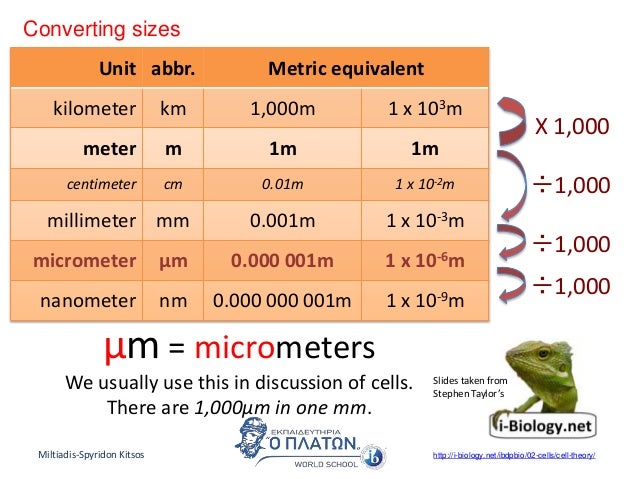
A micrometer is one-millionth of a meter. Yes, you read that right—millionth. To put that in perspective, a human hair is about 70 micrometers wide. So yeah, we’re talking tiny.
Must Read
If you ever need to sound smart at a party, drop this: “A single micrometer is 0.000001 meters.” Then watch everyone slowly back away. You’re welcome.
Why Do We Even Need the “Um” Measurement?
Because the world is made of really, really small stuff. Think bacteria, dust mites, and the gap between your phone screen and the glass. You’re not measuring those with a yardstick. That’d be like using a sledgehammer to crack a peanut—possible, but deeply silly.
Scientists, engineers, and even tattoo artists use micrometers. Yes, tattoo artists. The needles they use are measured in micrometers to make sure they don’t turn your skin into a Jackson Pollock painting. So next time you get ink, thank the humble µm.
A Quick Math Break (Don’t Panic)
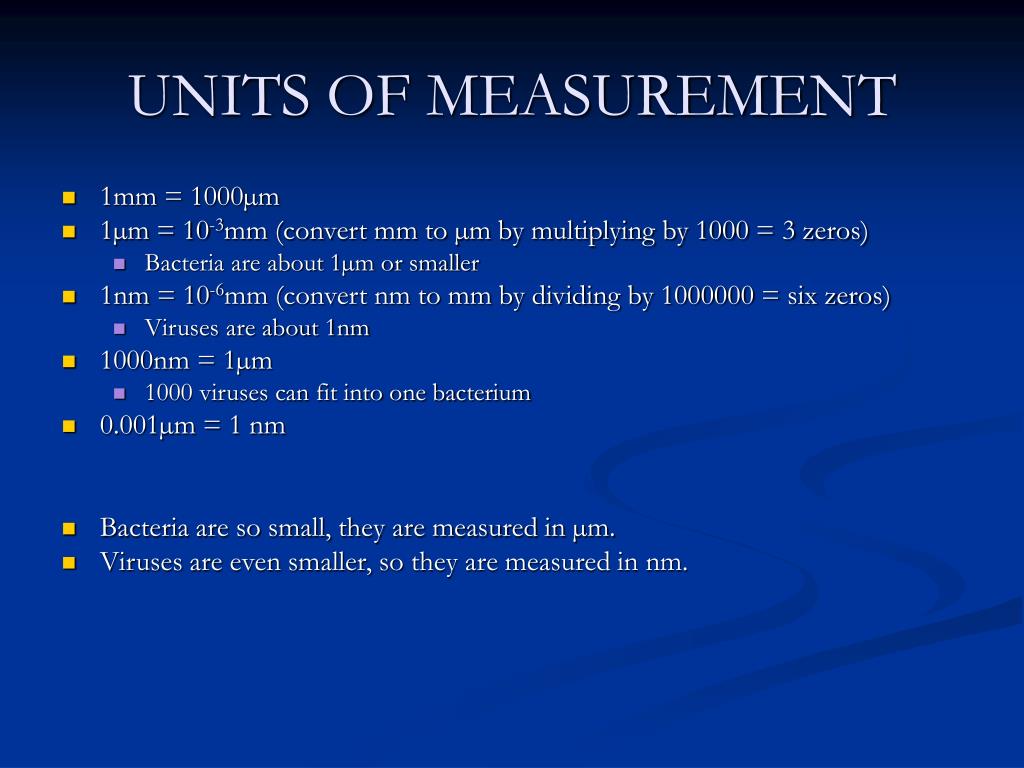
Okay, let’s do a super-easy comparison. One millimeter (mm) is 1,000 micrometers. So if you have a grain of sand that’s 1 mm wide, it’s also 1,000 µm wide. See? Not scary.
Want to sound even cooler? There are 10,000 micrometers in a centimeter. And a million in a meter. That’s like saying you could fit a whole year of Tuesdays into one stick of gum. It’s a weird flex, but it works.
If math makes your brain itch, just remember: µm = tiny, tiny, tiny. Like, “ant’s eyebrow” tiny.
 PPT - Microscopes and Cells PowerPoint Presentation - ID:3213515
Everyday Things Measured in Micrometers
You’ve actually got a micrometer museum right in your home. Look at a strand of hair—yours or someone else’s, no judgment. A typical hair is between 50 and 100 µm thick. Blonde hair? Thinner—around 50 µm. Black hair? Thicker—closer to 100 µm. So blondes don’t necessarily have more fun, but they do have smaller fun.
Dust mites? They’re about 200 to 300 µm long. You’ve got thousands of them living in your mattress right now. Surprise! They’re basically microscopic roommates who never pay rent.
Even the ink in your printer nozzle is measured in micrometers. That’s how it sprays those teeny-tiny dots to make your cat memes look crisp. So yes, the µm is the unsung hero of internet culture.
The Joke Section (Finally)
Why did the micrometer break up with the ruler? Because the ruler was too big to commit. I’ll see myself out.
Seriously though, once you start noticing the “um” measurement, you’ll see it everywhere. Check the fine print on a contact lens box: “Thickness: 0.07 mm” which is 70 µm. Your contact lens is thinner than a single hair. And you put it in your eyeball. Humanity is both amazing and slightly terrifying.
How Do You Even Measure a Micrometer?
You don’t use a ruler. No, you use a micrometer—the tool. It looks like a tiny C-clamp with a spinning handle that could double as a fidget toy. You place the object between the anvil and spindle, twist until it clicks, and read the number.
 PPT - Microscopy PowerPoint Presentation, free download - ID:4344017
There’s also digital ones that just show you the number, because we live in the future and humans are lazy. Either way, it’s precise enough to measure the thickness of a soap bubble. Go ahead, try that with a tape measure. I dare you.
If you don’t own a micrometer, you can also use a microscope with a scale bar. But that’s less fun. And way nerdier. (No offense, microscopes. You’re still cool.)
So… What’s the Big Deal?
The “um” measurement is the bridge between the world you see and the world you can’t. It’s how we build microchips, design medical stents, and make sure your phone screen doesn’t have a gap big enough to hide a crumb.
Without the micrometer, we’d be lost. Airplane engine parts would wobble. Sunglasses would be blurry. And your eyebrow threading? A total mess. The µm keeps the universe orderly—one tiny, invisible step at a time.
Uplifting Conclusion (The Part Where You Smile)
So next time you see “µm,” don’t panic. Give it a little nod. You know know it’s the secret sauce that holds together the small stuff—and the small stuff holds together everything.
You, me, the dust mites, the printer ink, the contact lenses… we’re all just a bunch of micrometers stacked together. And that’s beautiful. Because even if you’re only 1.7 meters tall, you contain 1.7 million micrometers of pure, wonderful, messy potential.
Go forth and measure something tiny. You’ve earned it. ✨
