How To Detect Pfas In Water

You know that feeling when you see a perfectly clear glass of water and assume it’s as pure as a mountain spring? Well, surprise—your tap water might be hiding a secret guest...
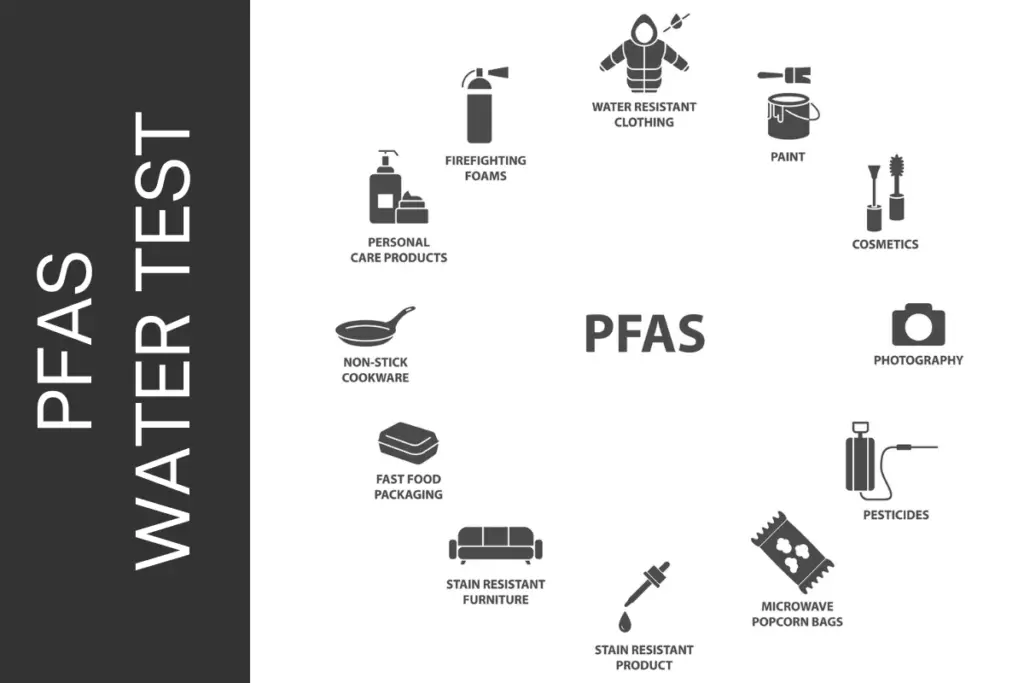
You know that feeling when you see a perfectly clear glass of water and assume it’s as pure as a mountain spring? Well, surprise—your tap water might be hiding a secret guest list, and PFAS are the uninvited party crashers. These “forever chemicals” are like that one relative who shows up for Thanksgiving and never leaves. They hang around in your body, your soil, and your drinking glass for decades, doing absolutely no favors.
But how do you even detect these sneaky squatters without turning into a mad scientist? Don’t worry—you won’t need a lab coat or a chemistry degree. Let me walk you through it with the kind of casual energy you’d use to find a lost sock.
The “Sniff Test” Fails Every Time
First, let’s get one thing straight: PFAS are invisible, odorless, and tasteless. You cannot sniff them out like a spoiled carton of milk. I once stuck my nose in a glass of tap water like a bloodhound, and all I got was a cold nose and a confused look from my cat. Your taste buds are useless here—PFAS don’t have a flavor profile like “hints of Teflon.”
Must Read
So, if you can’t rely on your senses, you’ve got to turn to hardware. It’s like realizing your phone’s battery is dying—you need a tool, not a prayer.
1. The Official Test: Send Water to a Lab
The gold standard for detecting PFAS is to mail a sample of your water to a certified laboratory. I know, it sounds like you’re submitting evidence from a crime scene, but bear with me. You collect a clean bottle, fill it up (follow their instructions like a recipe for cookies), and ship it off. A few weeks later, you get a report that tells you exactly which PFAS are lurking—and in what amounts.
This is the only way to get the full truth, like a background check on your water’s shady past. A good lab will measure for the most common ones—PFOA, PFOS, GenX, and their nasty cousins. Expect to pay anywhere from $50 to $300, which feels steep, but remember: ignorance is not bliss when it comes to chemicals that build up in your liver.
 What Is PFAS Water Testing and Why Is It Important?
2. At-Home Test Kits: The “DIY” Shortcut
If sending a vial across the country sounds too formal, you can grab an at-home PFAS test kit. These are like the astrology readings of water testing—they give you a general vibe, not a detailed horoscope. You collect a sample, add some reagents, and watch for color changes on a strip. It’s surprisingly satisfying, like those pH strips you used in high school biology.
But here’s the catch: home kits are not as accurate as a lab. They can tell you “yes, PFAS are present,” but they won’t tell you exactly which ones or how much. Think of it as a smoke detector vs. a full fire report. It’s enough to freak you out, but not enough to know if you need a new water filter.
The “Oily Film” Myth (And Why It’s Wrong)
I once heard someone say you can detect PFAS by looking for an oily film on top of your water. Let me stop you right there—that is pure nonsense. That film is usually just minerals, dust, or leftover soap from your dishwasher. I fell for this myth once and spent a whole afternoon staring at my glass like it was a crystal ball. Spoiler: I didn’t see a thing.
PFAS aren’t greasy like bacon grease. They dissolve completely, which is why they’re so good at hiding. They’re the ninjas of the chemical world.
 PFAS Water Testing: How to Test Drinking Water for PFAS
Why You Should Actually Care (With a Side of Panic)
You might be thinking, “So what if there’s a little PFAS? I’m young and immortal.” Right? Well, these chemicals have been linked to hormone disruption, high cholesterol, and even some cancers. That’s the kind of baggage you don’t want in your morning coffee. The EPA has set health advisory levels at practically zero—like 0.004 parts per trillion for PFOA. That’s the equivalent of one drop of ink in 20 Olympic-sized swimming pools.
So, if your water test comes back positive, don’t panic—just get a filter that’s rated for PFAS. Activated carbon and reverse osmosis are your best friends here. They’re like bouncers at a club, kicking those chemical party crashers out the door.
The Final Sip: Knowledge Is Your Filter
Detecting PFAS isn’t rocket science, but it does require a little effort. You either mail a sample to a lab (the honest way) or use a home kit (the lazy way). You can’t taste them, smell them, or see them—so trust the tech, not your gut. In the end, you’ll either drink with peace of mind or know exactly what you’re filtering out.
And if you’re still skeptical, just remember: your water might have been through dinosaurs, glaciers, and rainstorms before it hit your glass. A few pesky molecules aren’t going to ruin the party—if you know how to find them first. Now go test that tap. Your future self (and your liver) will thank you.
